-
Say Hello to Fall: Favorite Autumn Wreaths
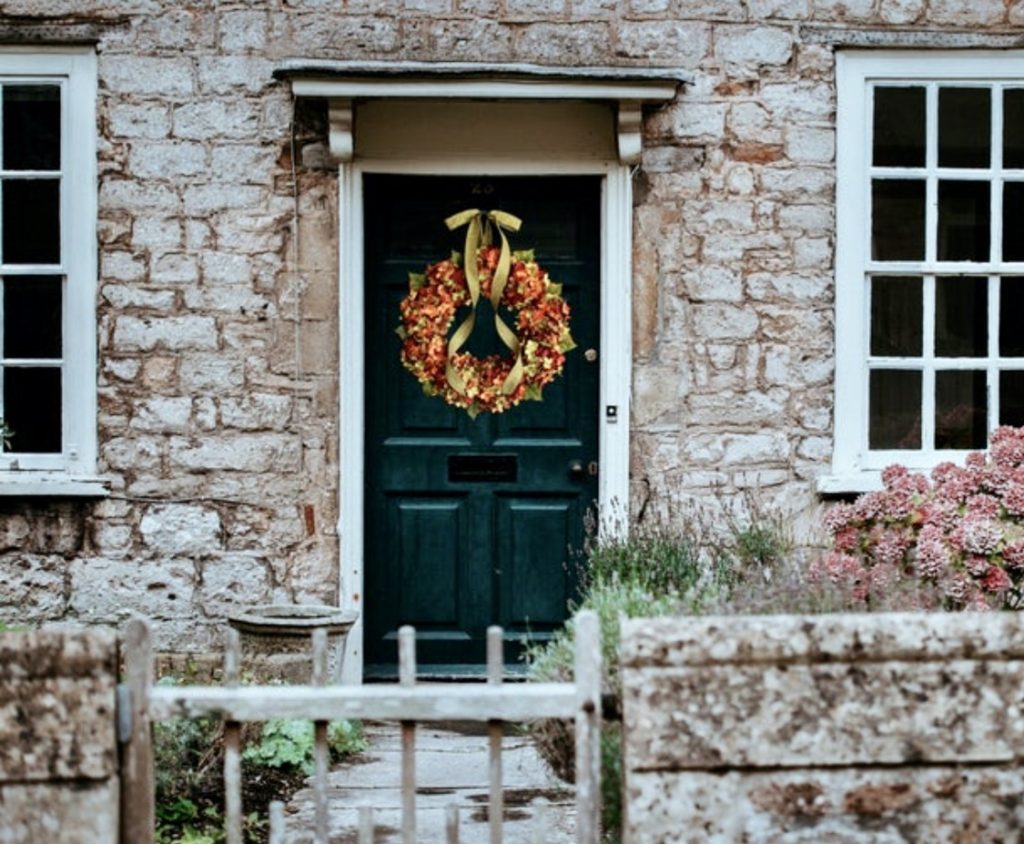
Fall Hydrangea Wreath by HomeHearthGarden at Etsy.com For many of us, it’s not the first day of fall without a wreath. Along with seasonal candles and pumpkin spice scents (and drinks!), autumn wreaths make your home feel inviting and cozy. Whether hung on your front door, above your mantle, or on the wall, nothing conveys autumn spirit more than the quintessential wreath. Here are some of my favorites.
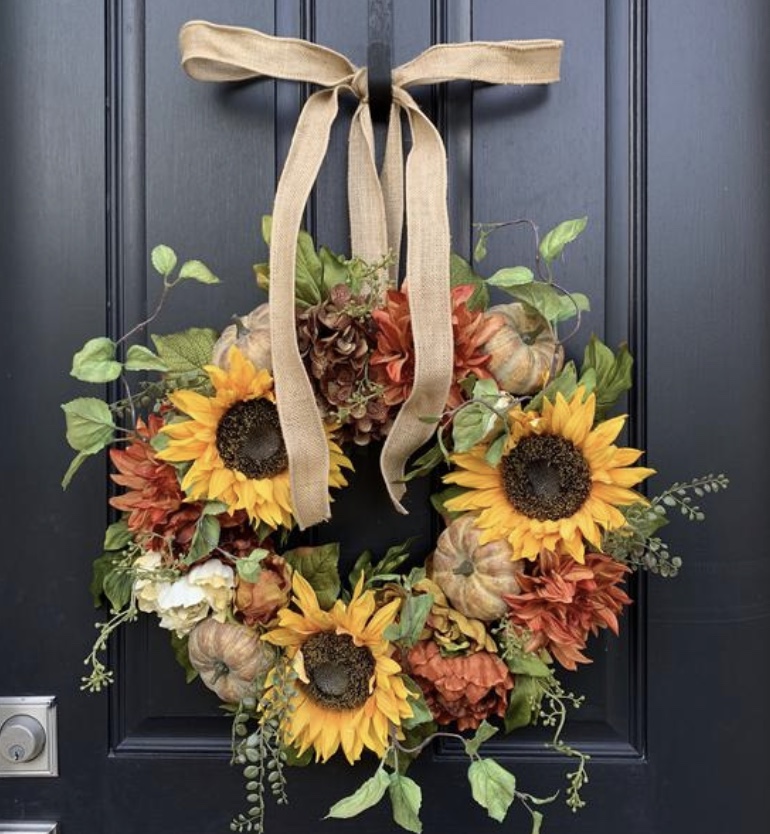
Sunflower Wreath by twoinspireyou on Etsy. I love sunflowers. Because they are so big and bright, they can sometimes be overwhelming. This design incorporates just the right nuance of other flowers and greenery to make this wreath simply stunning.
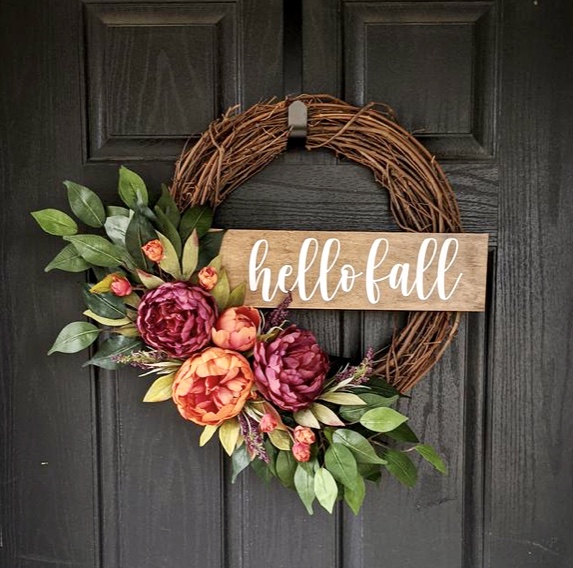
Hello Fall Wreath by DoorstepDesignsByPam on Etsy. This is just so darn cute. It would look really sweet on a porch next to a farmhouse bench cozied up with pillows and a knit throw or two.
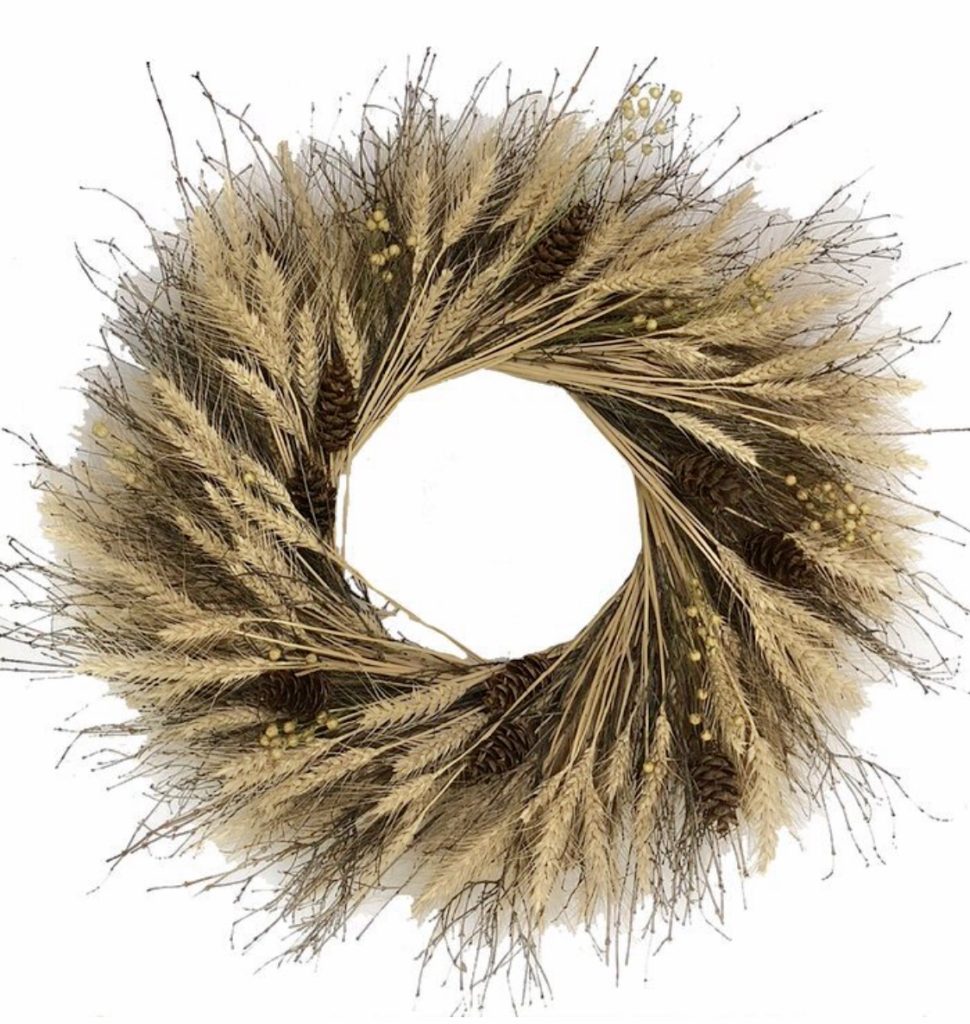
Rustic Wheat “Savannah” Wreath from wayfare.com Sometimes you just want something neutral with some rustic texture, and this wreath fits the bill. I think this would look fabulous above a stone fireplace or on a rustic wooden door.
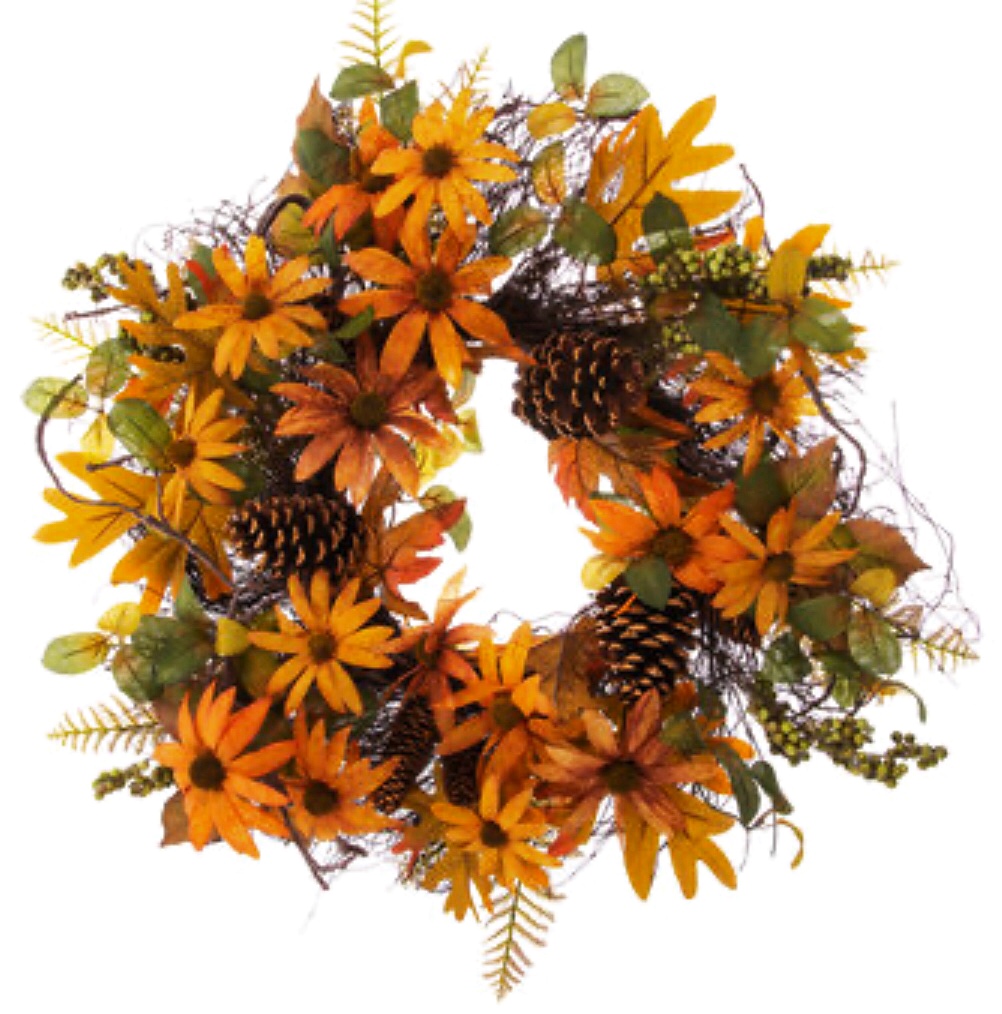
Wreath from hobbylobby.com Black-eyed Susans & Pinecones provide visual texture and warmth in this wreath.
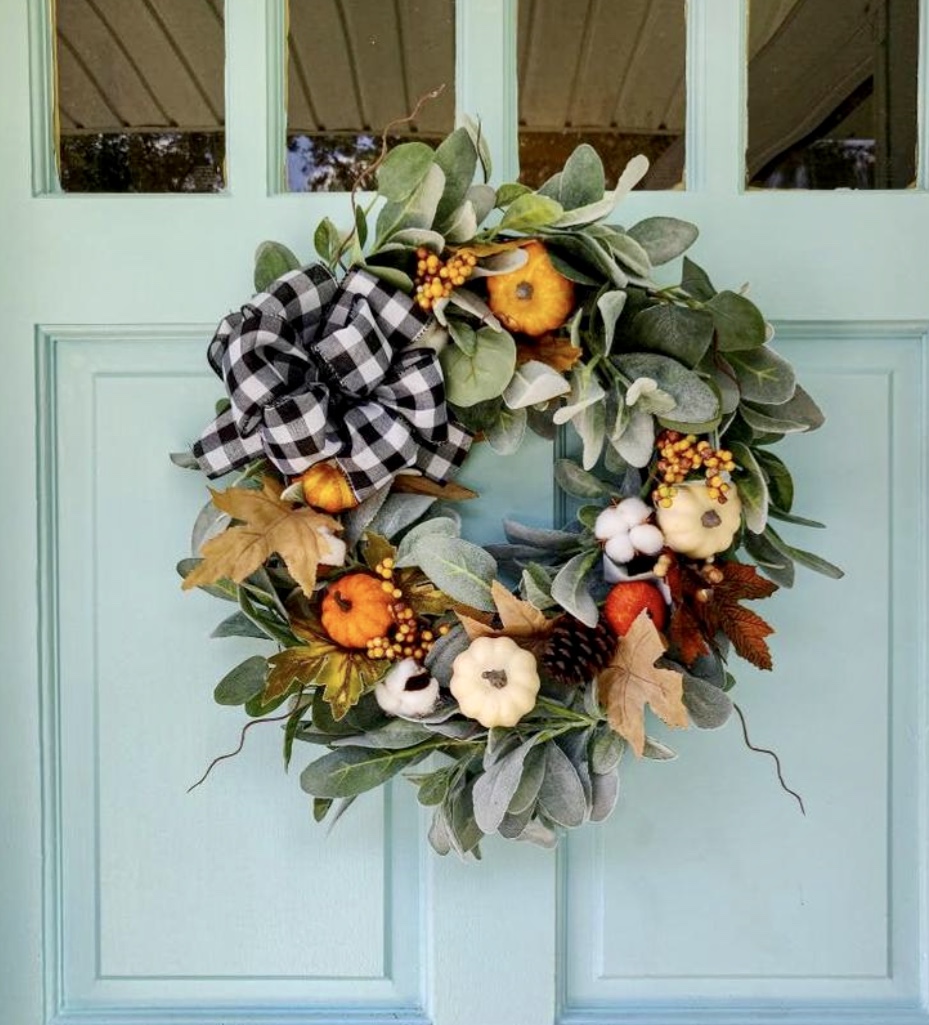
Fall Wreath by MandaMadeWreaths on Etsy. I find the black & white buffalo check bow on this wreath so enchanting. Just a pop of color with leaves, pumpkins and berries to feel festive but not overwhelming.
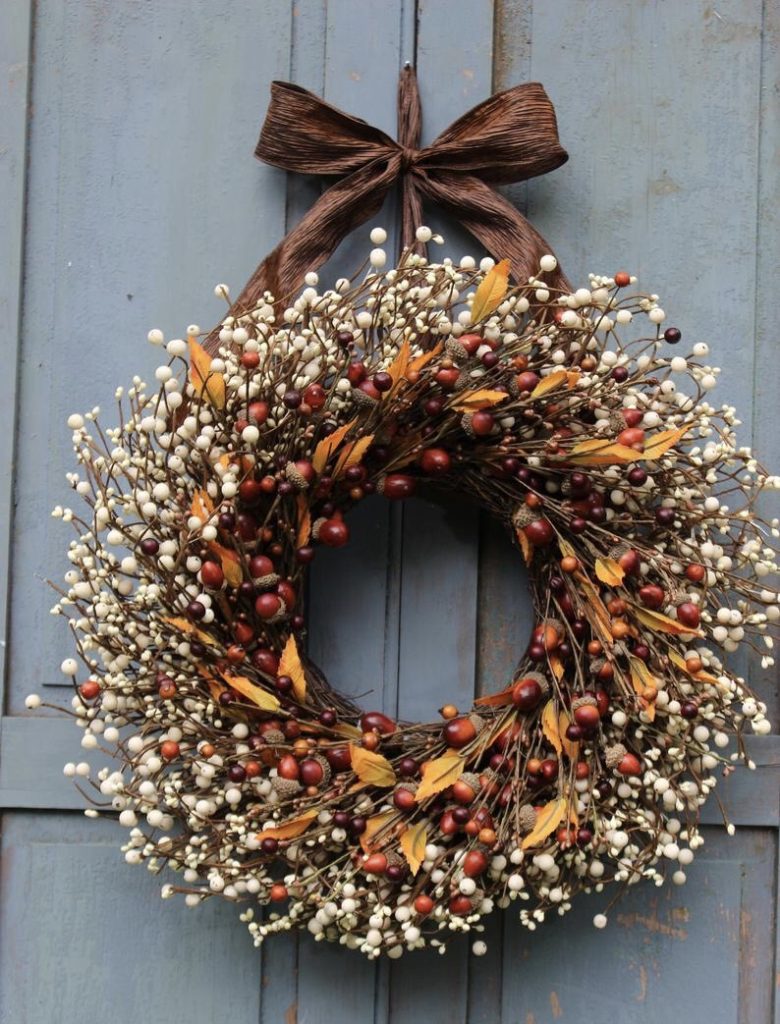
Acorn Wreath by EverBloomingOriginal at Etsy.com I really like the play of color and texture in this wreath. This would look festive and fabulous on any front door.
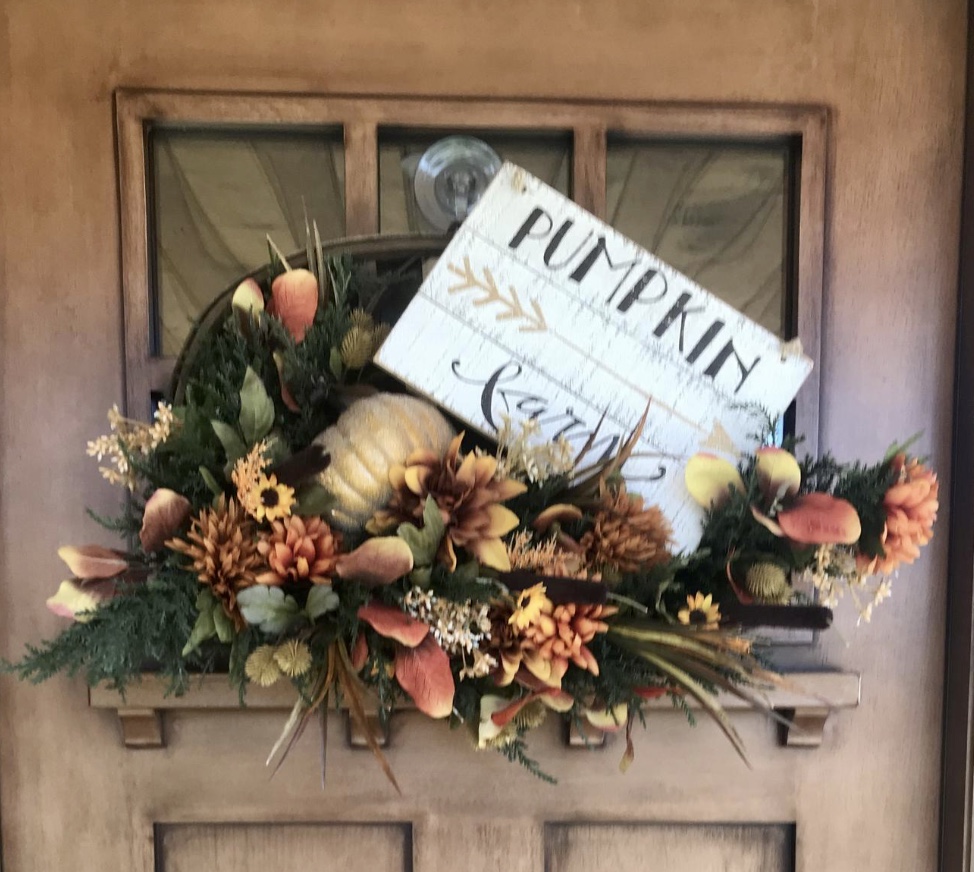
For you do-it-yourselfers, a really cute look can be created using a tobacco basket (found at Hobby Lobby, Michael’s, etc.). Simply secure bittersweet, faux gourds, flowers and/or greenery to it using florist wire or a hot glue gun and voila! You can even add a cute tin cut out saying or autumnal sign like this one.
Simple and beautiful fall wreath~photo courtesy of @terrimchugh. Thank you for visiting my blog! I hope you found some fall wreath inspiration. You may also enjoy my other post Fun & Fabulous Fall Porch Decor. Wishing you peace, love, happiness, & beautiful vistas.
-
Fun & Fabulous Fall Porch Decor
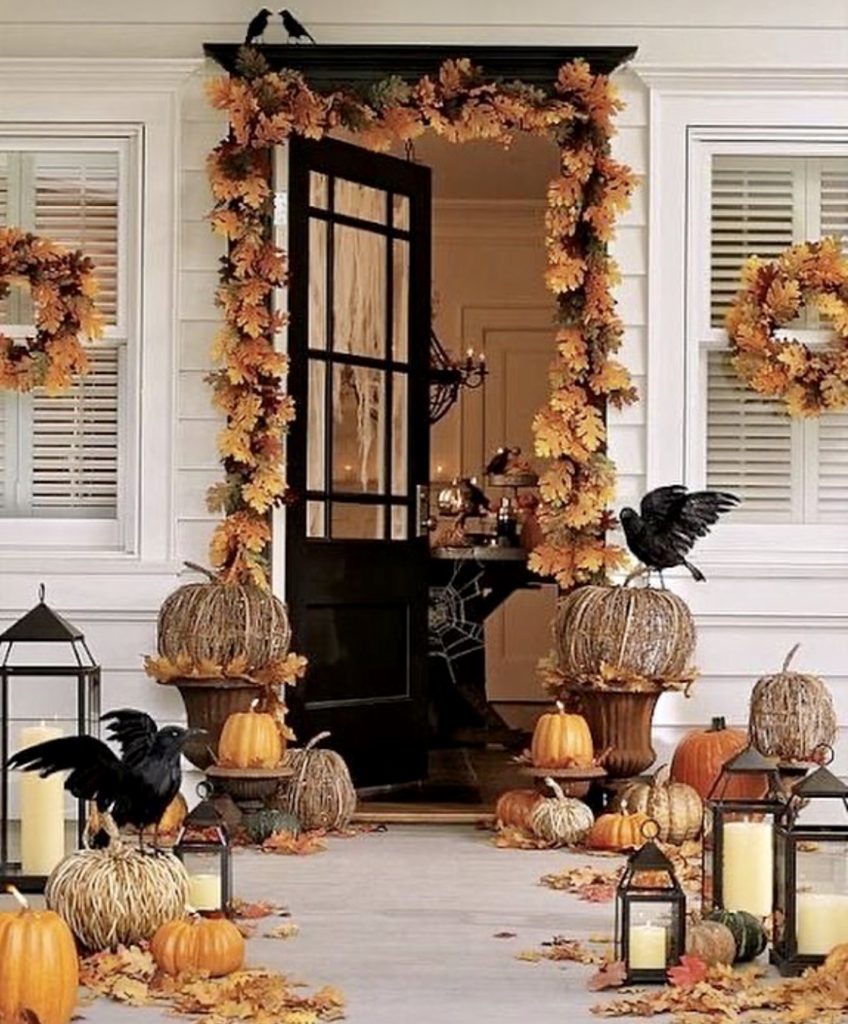
Photo courtesy of @pro.fessorpumpkin. It’s that time of year. We start thinking about cooler weather, sweaters and scarves, and pumpkin spice lattes. We may begin daydreaming about pumpkin patches, apple orchards, and hayrides. It is also time when we begin imagining how we will decorate for fall. One of the most popular places to decorate for the season is your front porch or entryway.
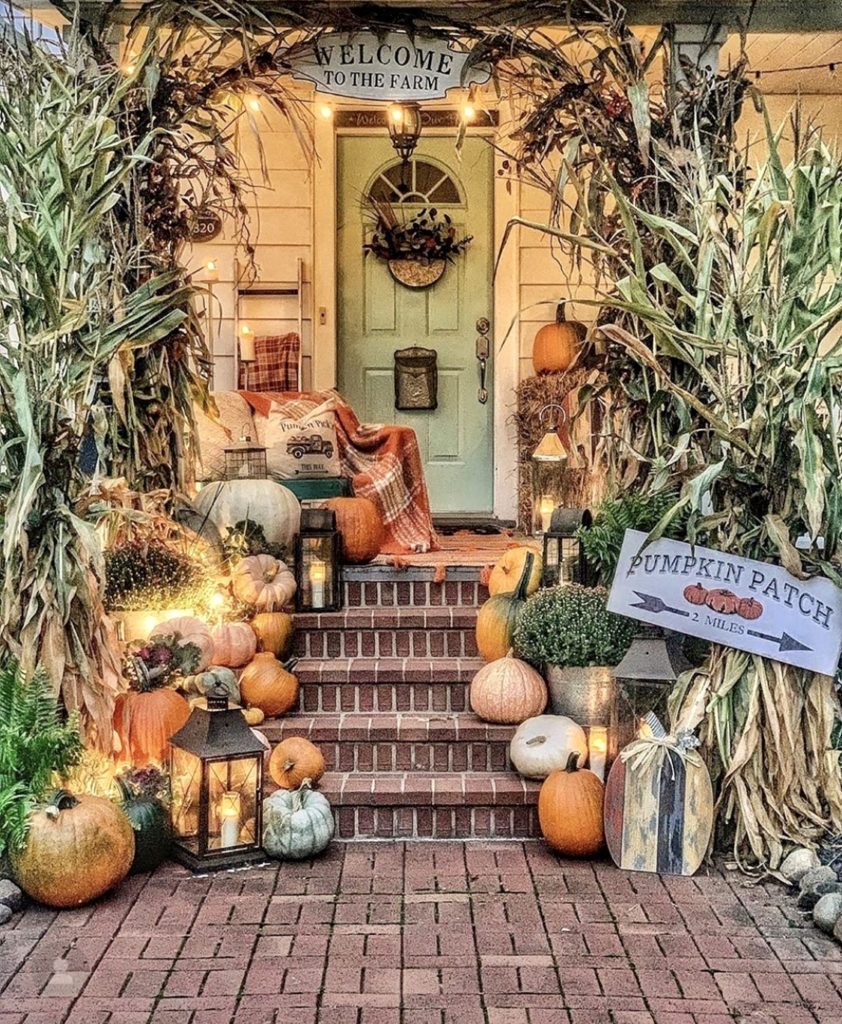
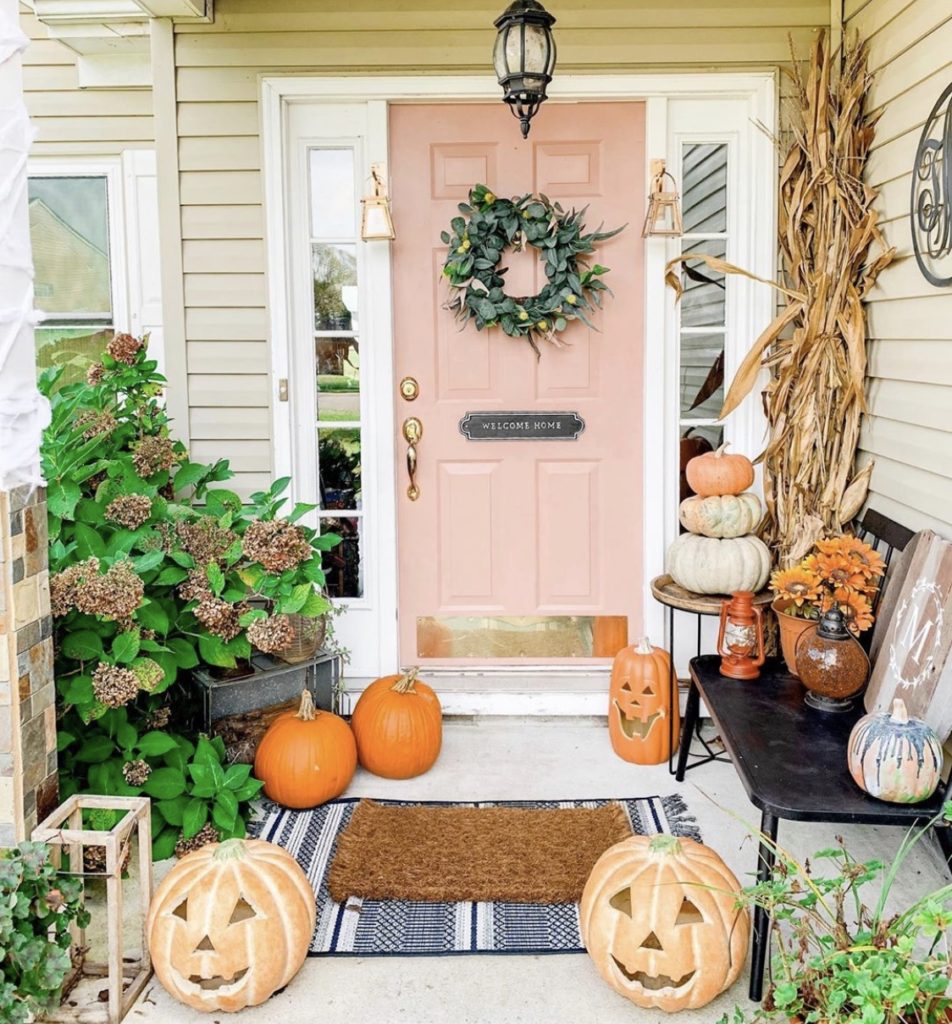
Photo courtesy of @ourblissfulcottage. Nothing says autumn like a festive, decorated porch. Whether you hope to create beauty with quintessential potted chrysanthemums and pumpkins, or a spooky vibe with skeletons, the following fall decorated porches will inspire you.
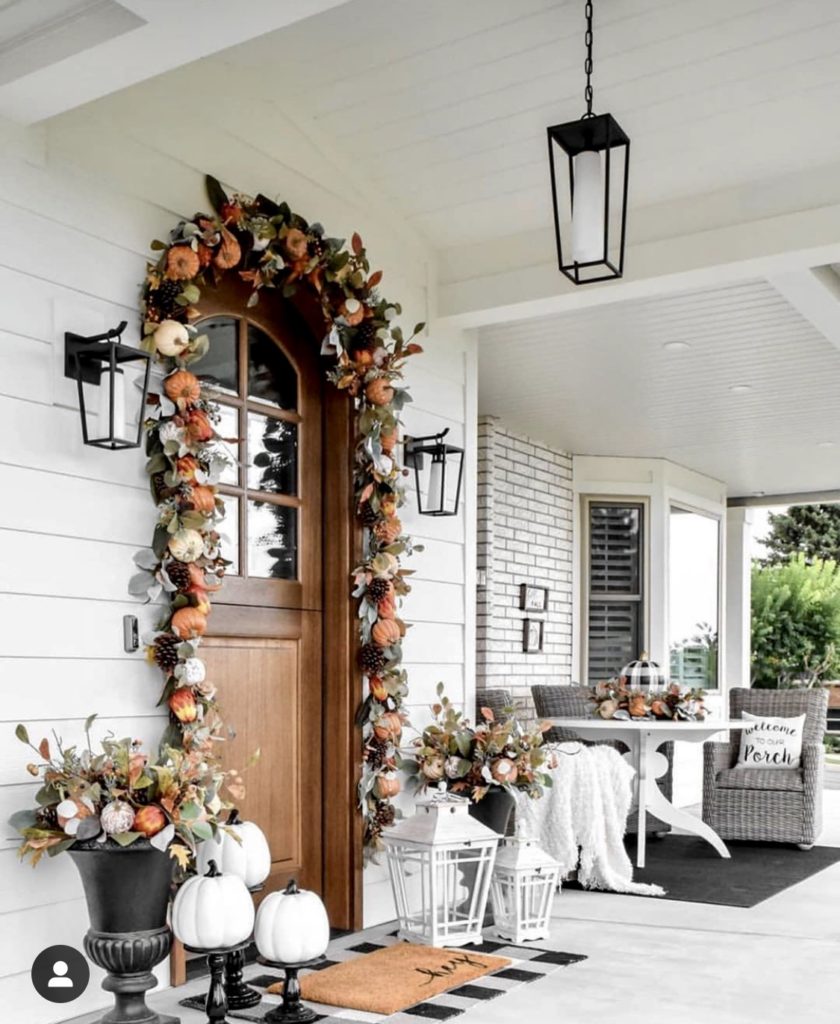
Photo courtesy of @thefarmhousepages. 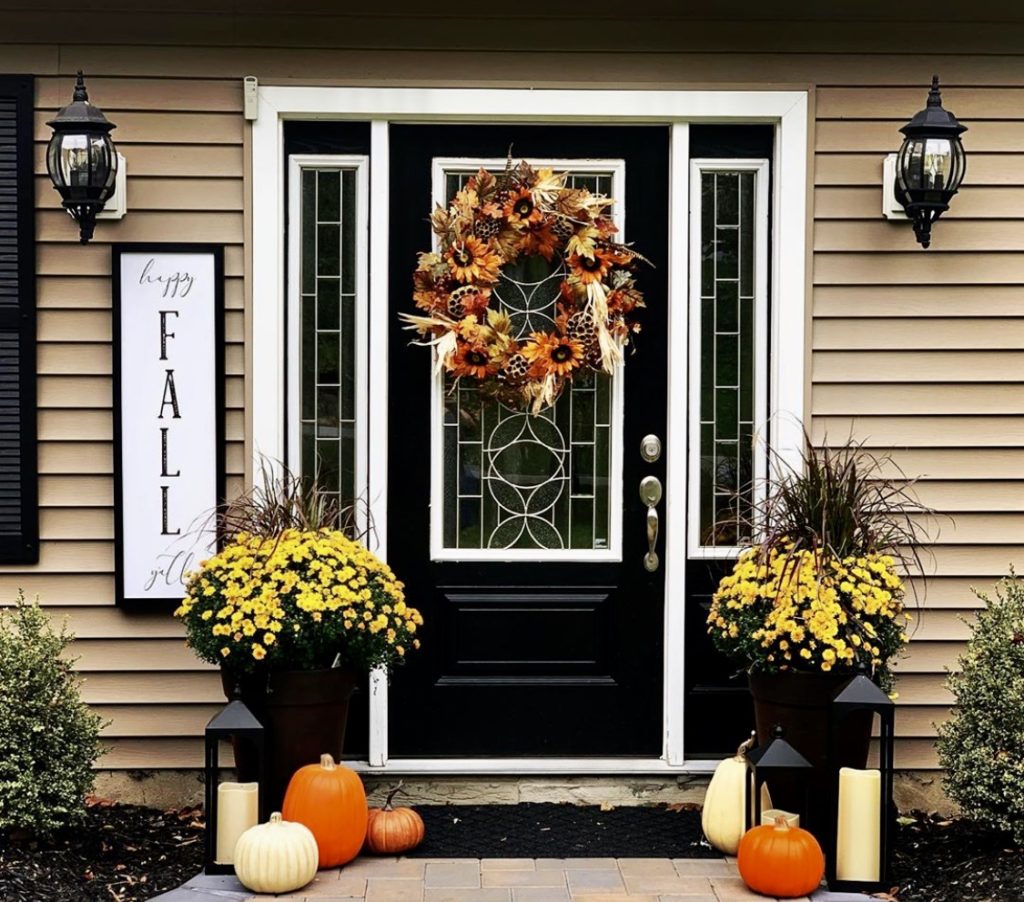
Photo courtesy of @tpederson627. A beautiful fall themed porch is guaranteed to impress friends and family. Some of the most popular fall decor for front porches includes wreaths, bushel baskets, pumpkins, lanterns, cornstalks, and potted plants and flowers.
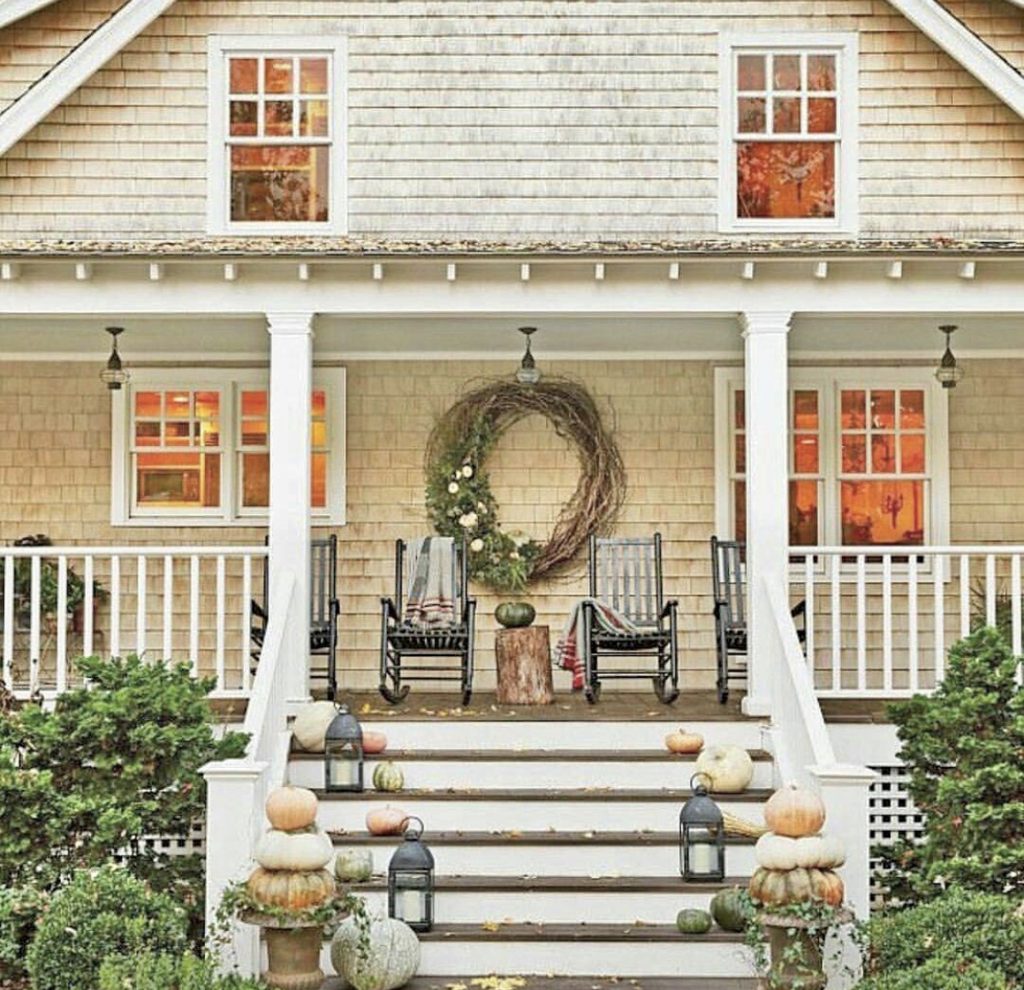
Photo courtesy of @vintagehearthome. Those fortunate enough to have large porches often use comfortable furniture such as benches, rocking chairs and porch swings cozied up with throw pillows and afghans. I love the simple rockers here in front of the over-sized wreath.
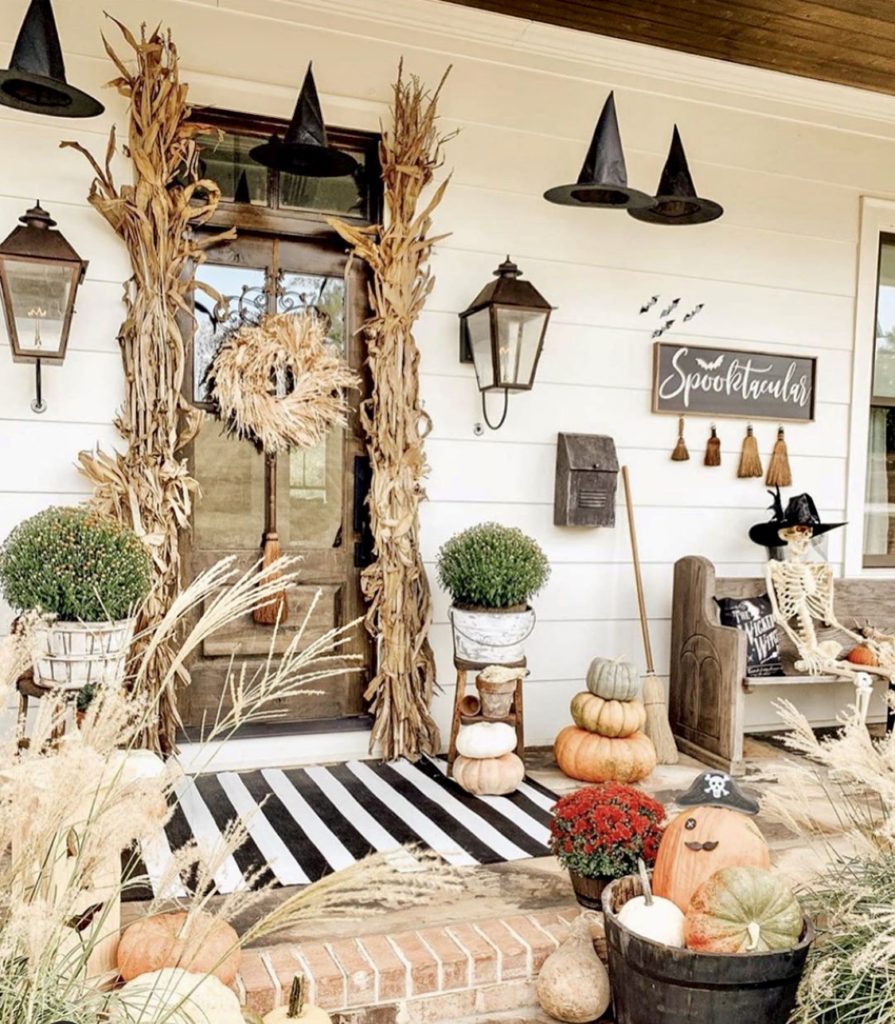
Photo courtesy of @farmhousefeatures. Brooms, skeletons, signs, and witches hats are also used to create a spooky fall vibe. I am a big fan of graphic floor rugs such as the one above to add additional porch flair.
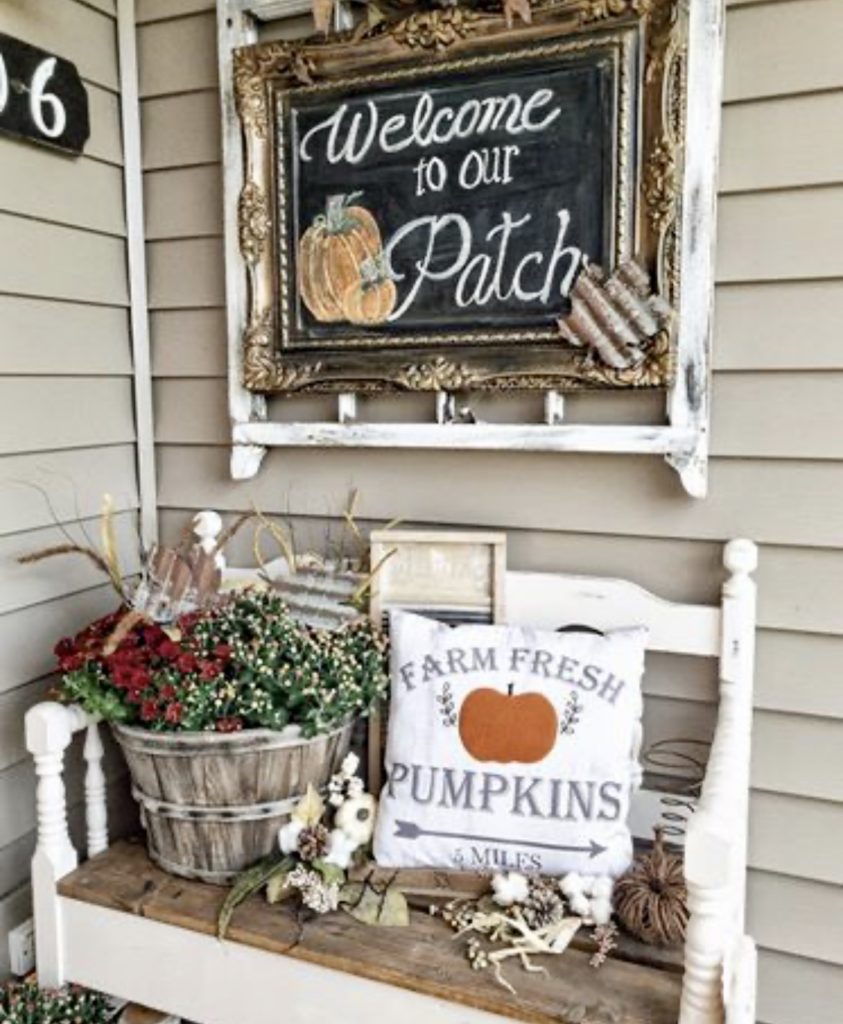
Photo courtesy of @thewillowwindow. Baskets and burlap banners, garlands, gourds and chalkboards also add autumn ambiance. I love the antique framed chalkboard above the cozy farmhouse bench here.
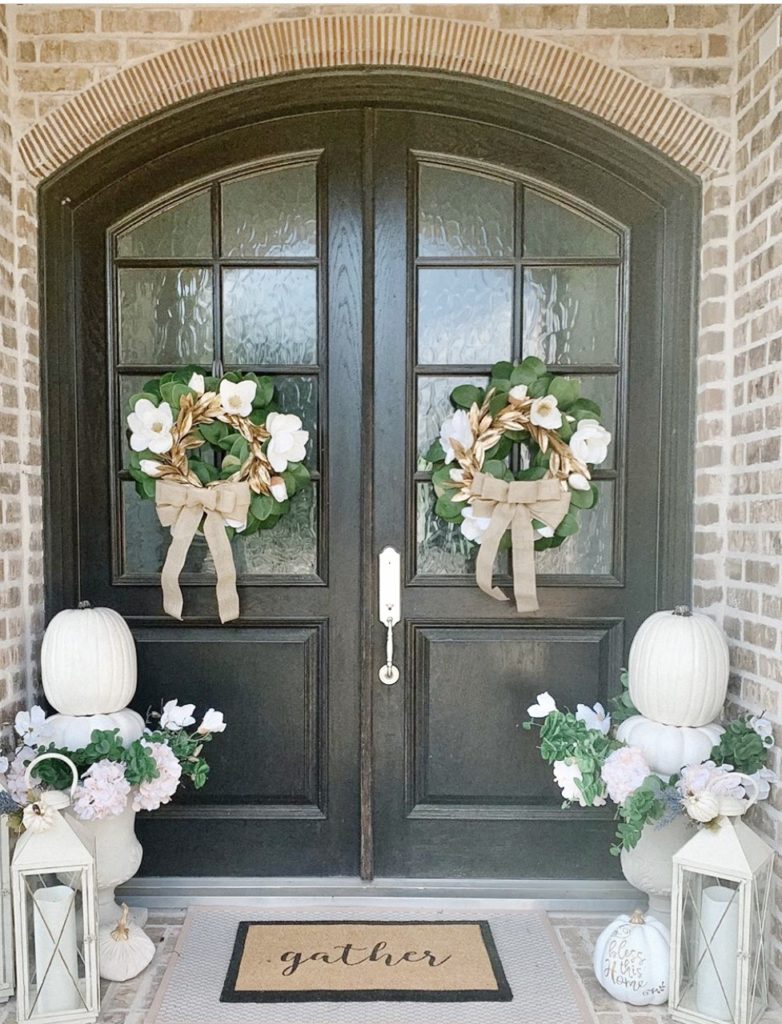
Photo courtesy of @shannongolddesign. If you don’t like classic fall colors like orange and brown, use neutrals like @shannongolddesign did above. White offers a fresh, elegant feel.
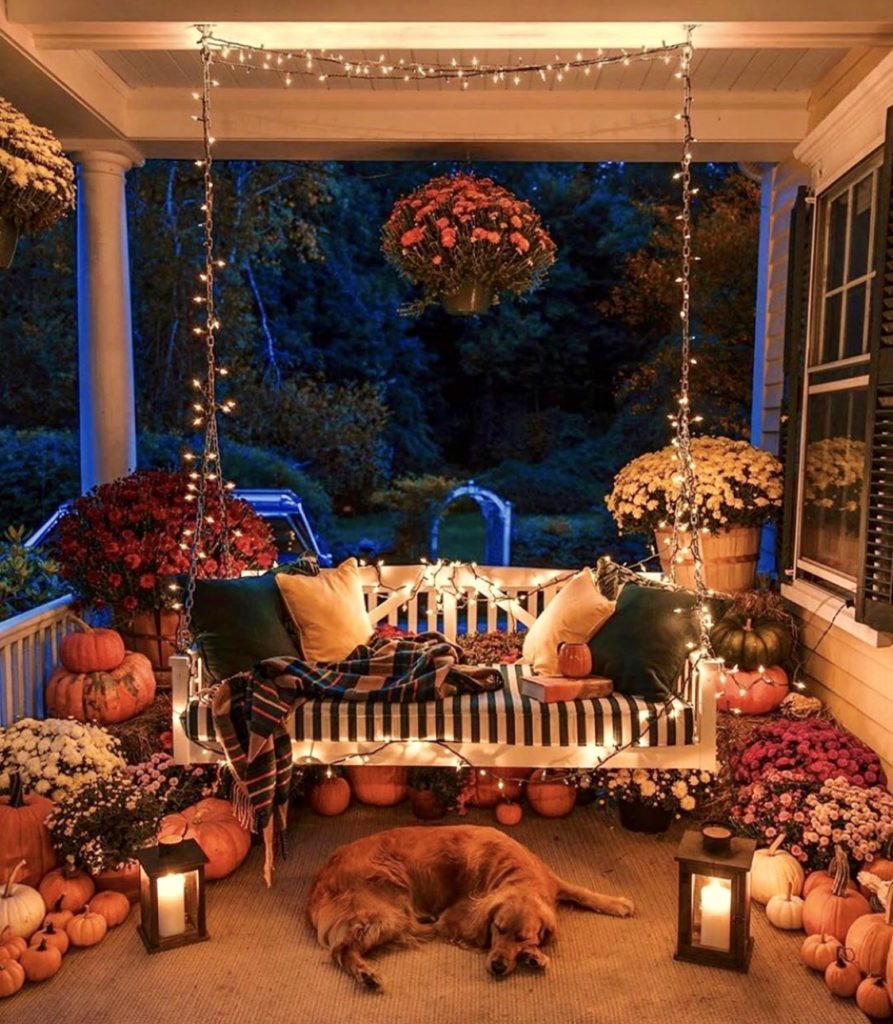
Photo courtesy of @the_aesthetic_side_of_homes. Don’t forget setting the tone for evening. Mood lighting including string lights and the soft flicker of battery operated candles inside lanterns creates a comfortable and inviting setting here.
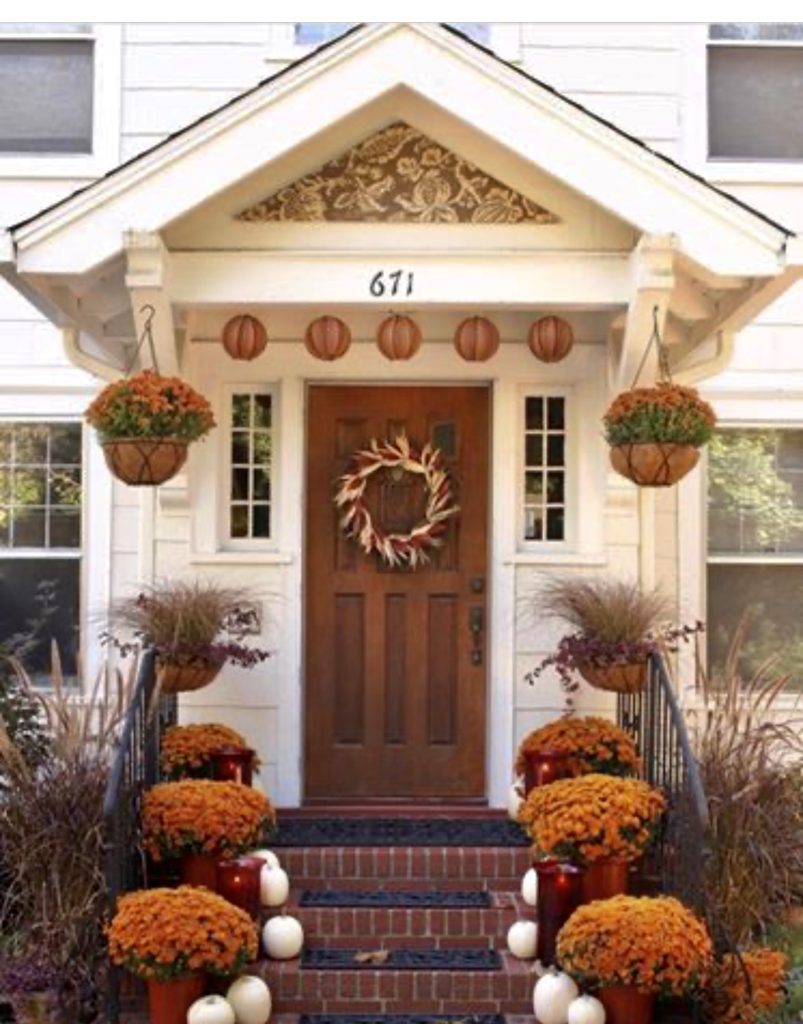
Photo courtesy of @farmkitchencandleco. The use of symmetry helps balance this small area while providing a stunning display.
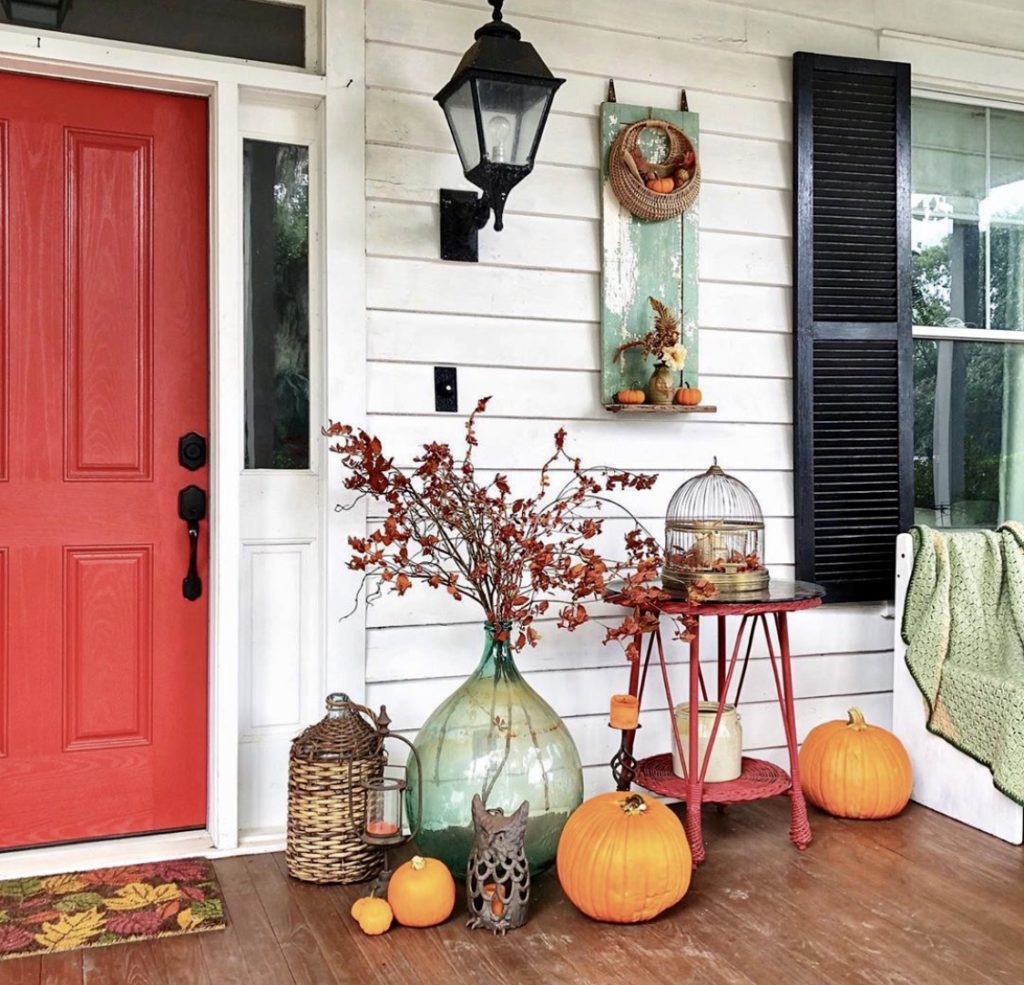
Photo courtesy of @our1880southerncottage. If you don’t feel like breaking the bank to get a fun fall look on your porch, consider using what you have. Gather branches of colorful leaves from your backyard and place in a vase, or use baskets, birdcages or more filled with dried flowers and gourds for a festive feel.
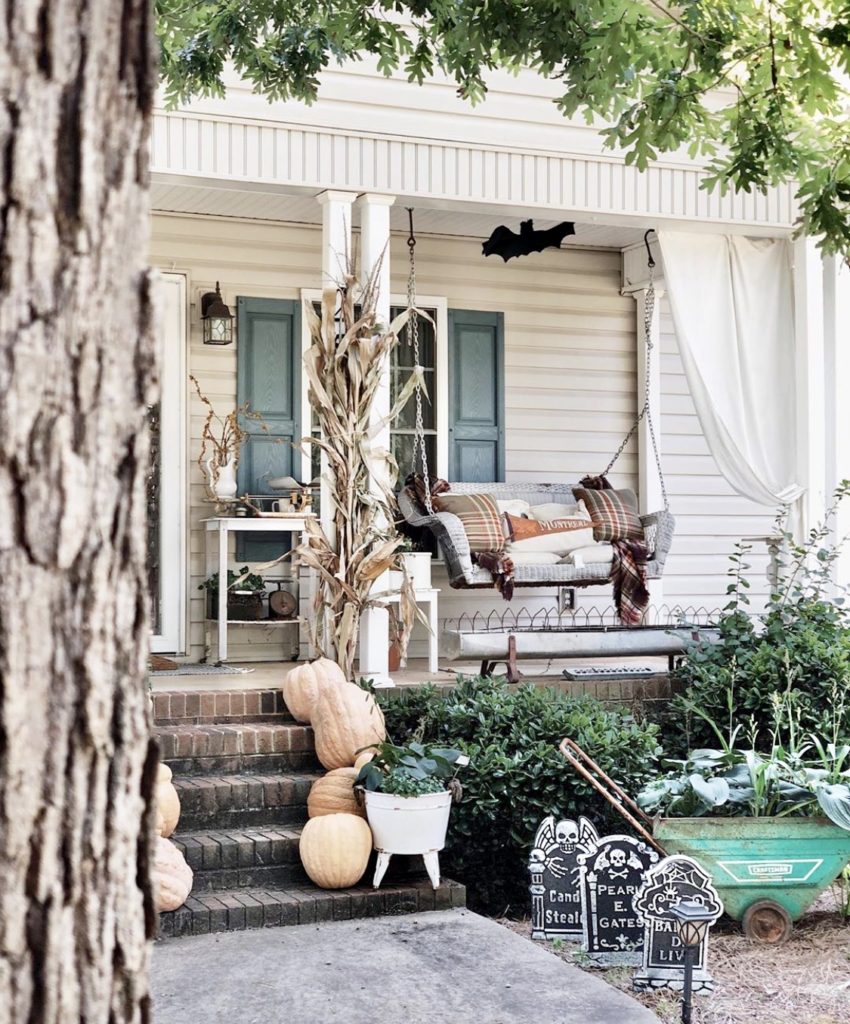
Photo courtesy of @keeleymckendree. Thank you for visiting my blog! I hope you found some fun and fabulous fall porch inspiration. You may also enjoy my other post Eight Fall Fun Activities in Monterey County.
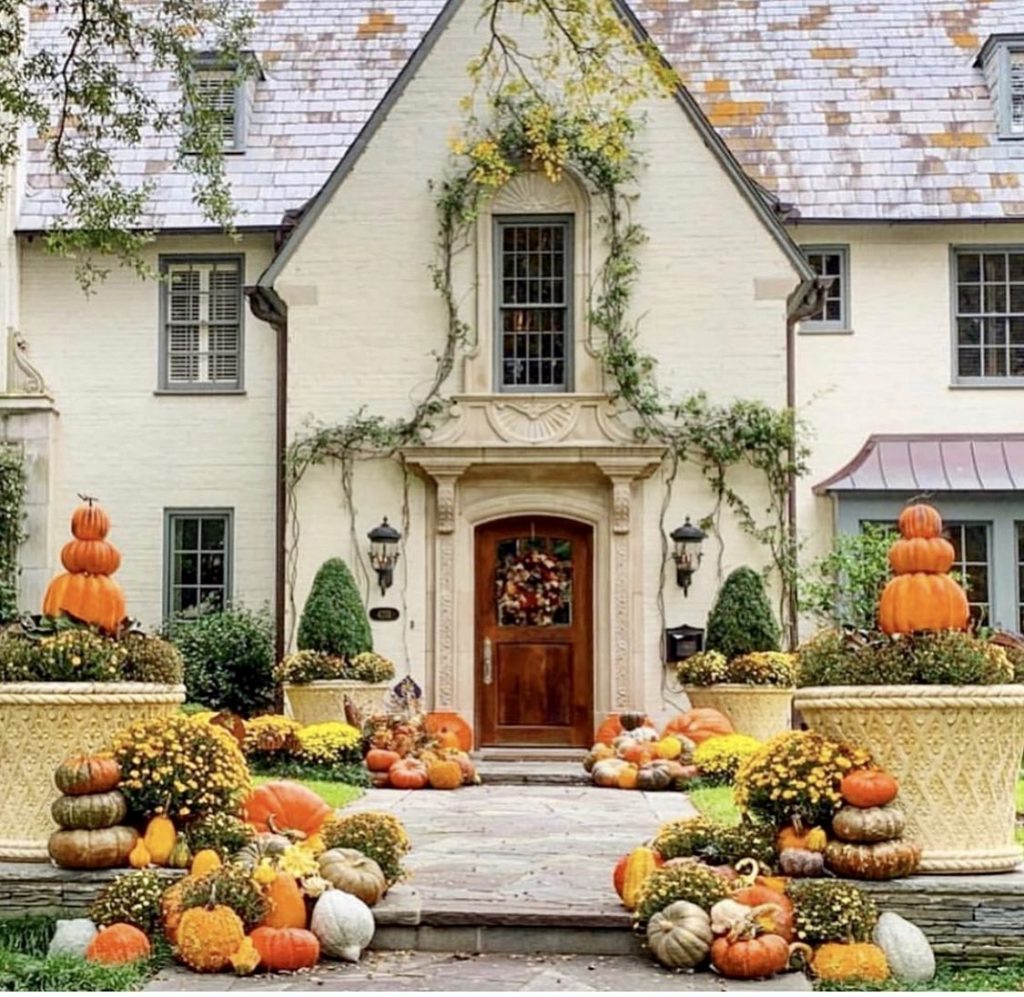
Photo courtesy of @southernlivingmag. Wishing you peace, love, happiness, & beautiful vistas!
-
The Quirky Creativity of Pacific Grove, California
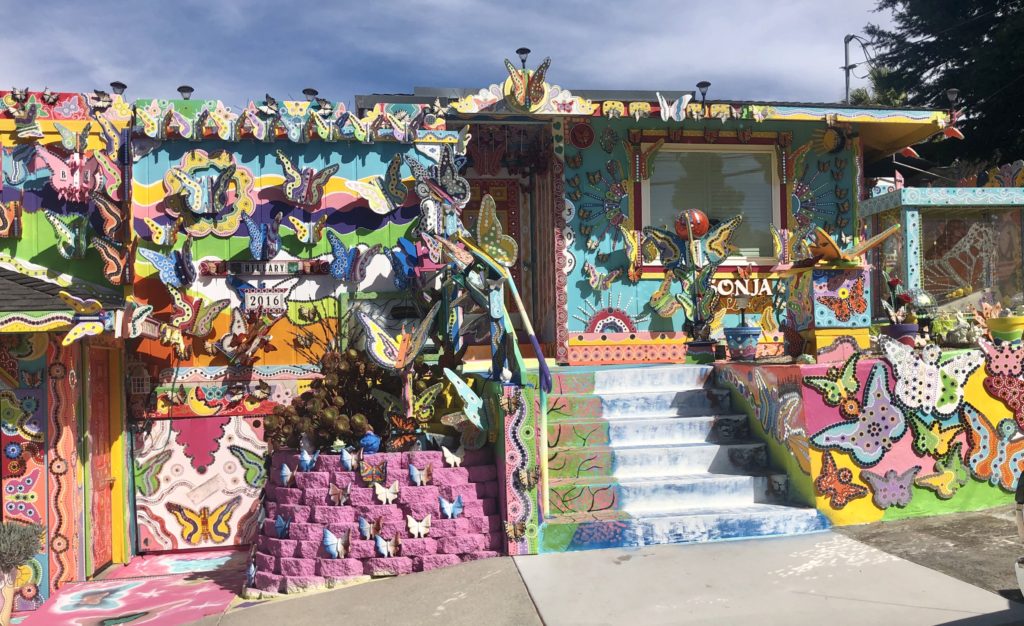
Someone really loves butterflies here in Pacific Grove, also known as Butterfly Town. Merriam Webster defines quirky as “unusual in especially an interesting or appealing way”. Synonyms for quirky include bizarre, curious, eclectic, kooky, peculiar, remarkable, and eccentric. In my opinion, every one of these boxes can be checked for Pacific Grove, also known as PG. While most of PG is full of traditional historic homes and businesses, it is the unusual features that often catch my eye. I find these quirky qualities oddly appealing.
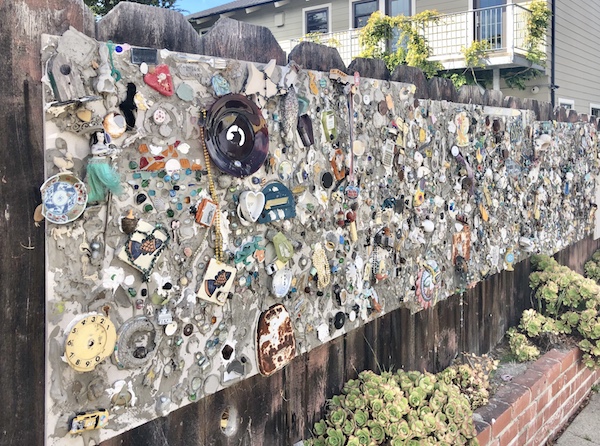
Maybe it’s my British genes (aren’t they prone to eccentricity?), or just my appreciation for people who think creatively, but I love turning a corner to find something novel and bizarre. This mosaic wall in PG features such things as a hula doll, an old clock, a hot wheels car, and pearl necklaces in its composition. I love it.
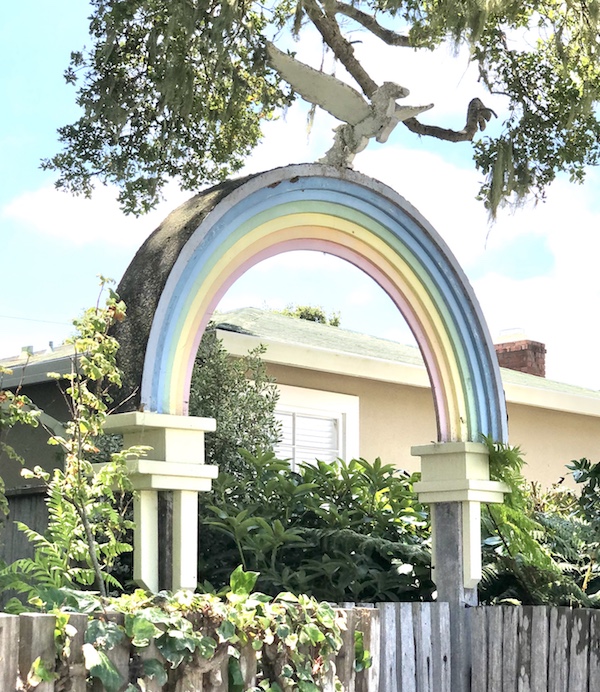
Why have an ordinary garden arbor when you can have a rainbow with Pegasus flying over it? Horace Walpole, an English author, coined the word “serendipity” during the 1700s. Serendipity was used to describe making fortunate discoveries by accident. He based his new word on a fairy tale in which the three princes of Serendip were always making discoveries during their travels by accident. I would certainly call my accidental discoveries serendipitous.
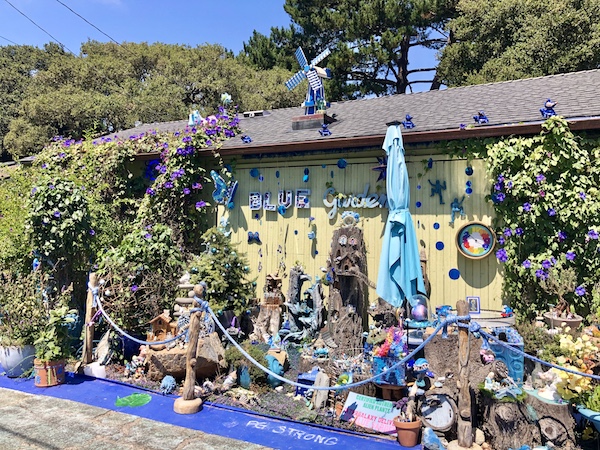
The “Blue Garden” above, was discovered in an abandoned alley. It features morning glories, a windmill on the roof, a mechanical roaring dinosaur, a unicorn balloon, a waterfall fountain, and carnival music, among other things.
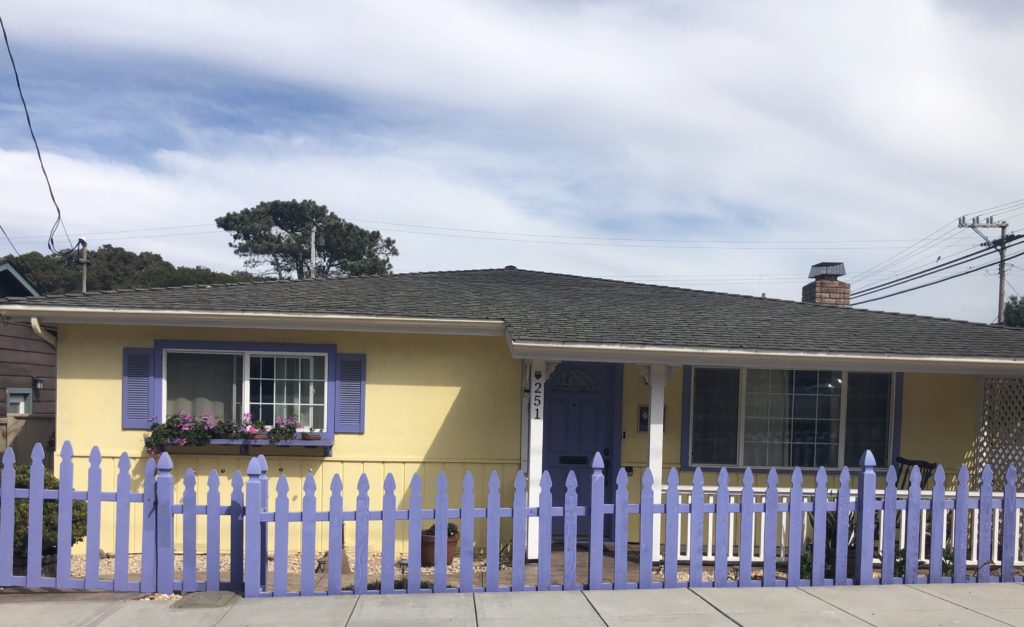
What I find so refreshing about Pacific Grove is that people are allowed to be who they are here. Personal expression is embraced. Nobody seems to care if you want to paint your picket fence purple or have dozens of kooky little gnome statues stacked on your porch. It’s truly an accepting culture. Several of my friends live here and they absolutely love it.
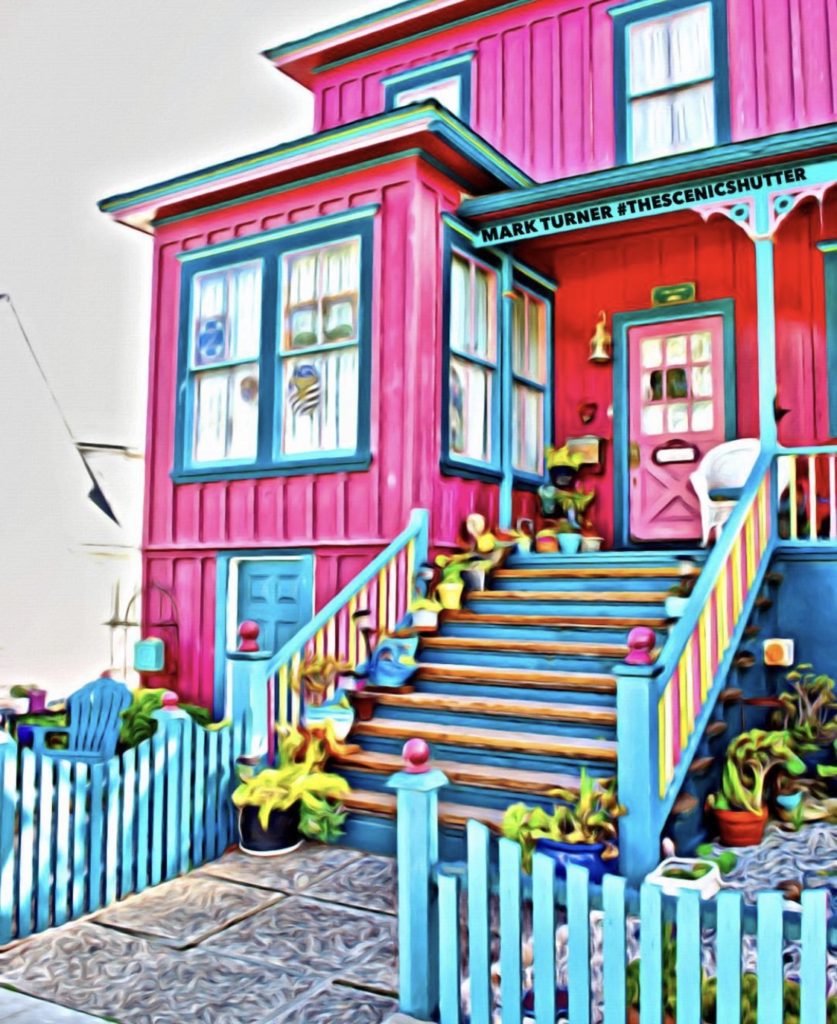
Photo courtesy of @thescenicshutter Quirkiness is also found in some of the unique shops here. Tessuti Zoo, located at 171 Forest Avenue, has been described as “the most colorful, zany, eclectic store one may ever shop”.
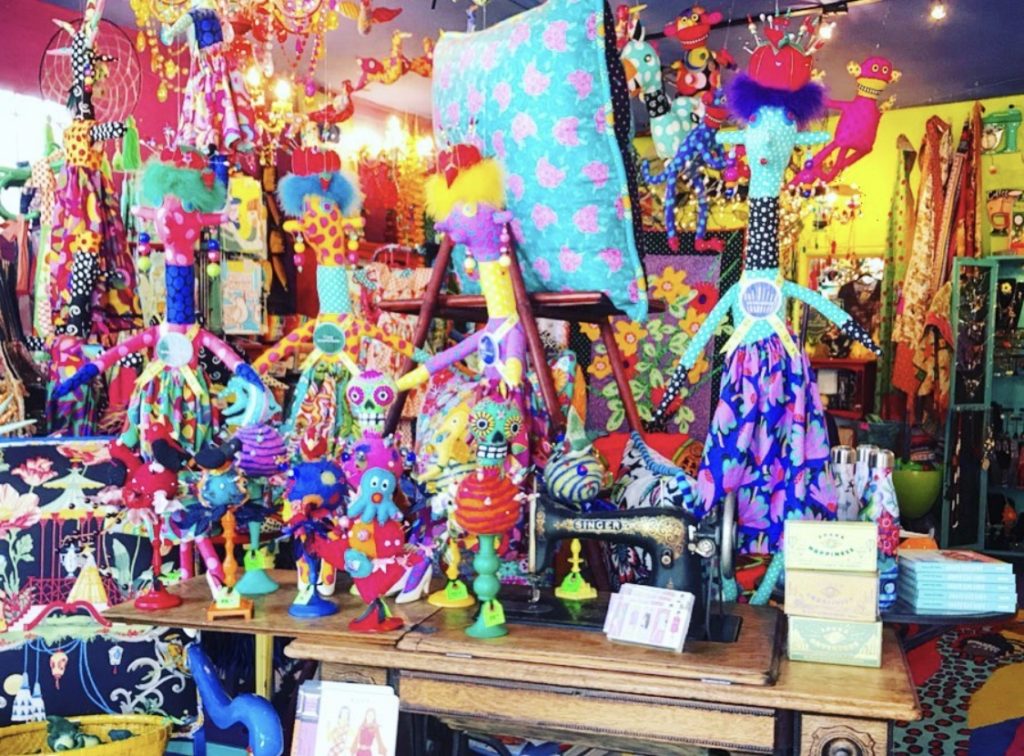
Photo courtesy of @ca.love.fornia For more information, see Pacific Grove. You may also enjoy my other posts: Butterfly Town: Pacific Grove, Lovers Point: Legendary Park in Pacific Grove, Point Pinos Lighthouse, Pacific Grove, The Feast of Lanterns in Pacific Grove, and Picket Fences by the Seaside: Victorian Homes in PG.
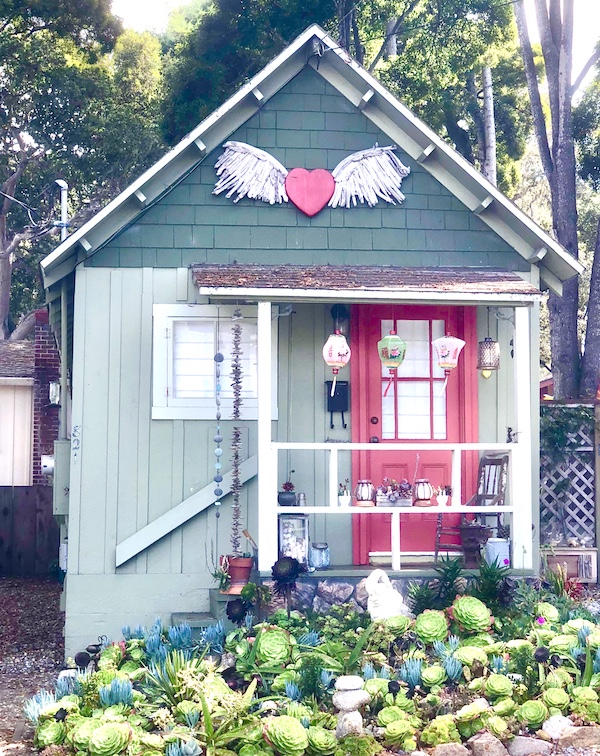
Thank you for visiting my blog! Wishing you peace, love, happiness, and beautiful vistas.
-
The Allure of Vintage Tea Cups
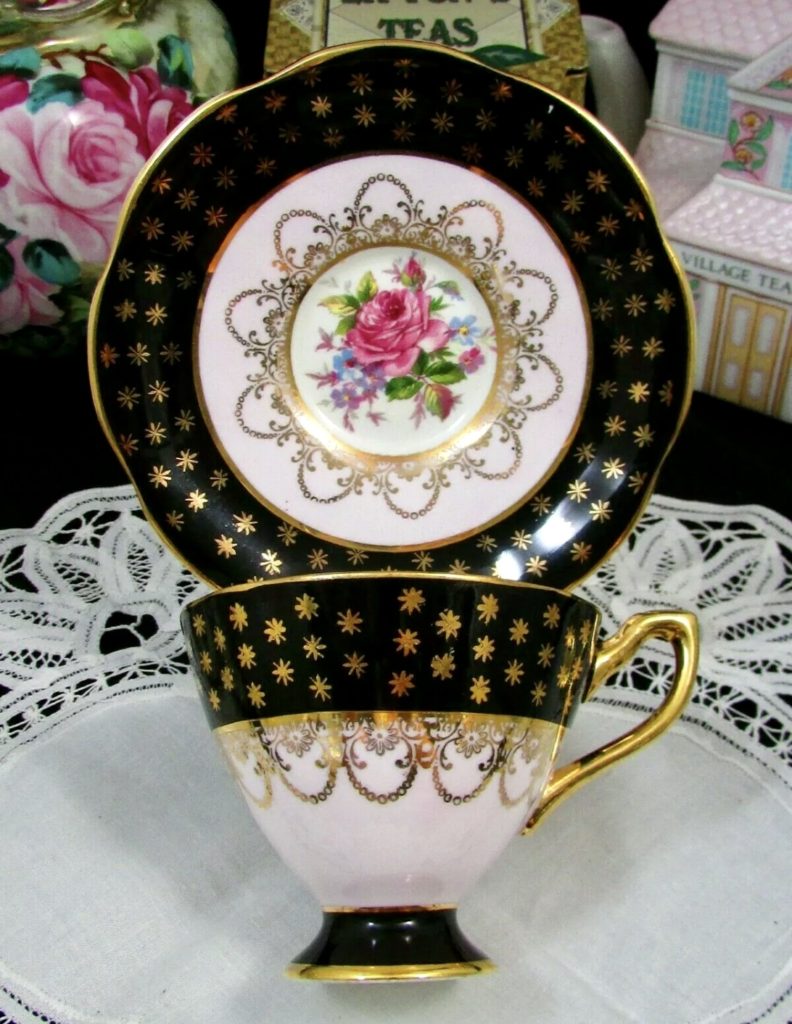
Lovely vintage Queen’s tea cup and saucer. People have been using and collecting tea cups for years and years. Because they are often beautiful as well as functional, vintage tea cups are a popular collectible. And while some rare and fancy tea cups can go for thousands of dollars, many vintage ones can be found for very reasonable prices.
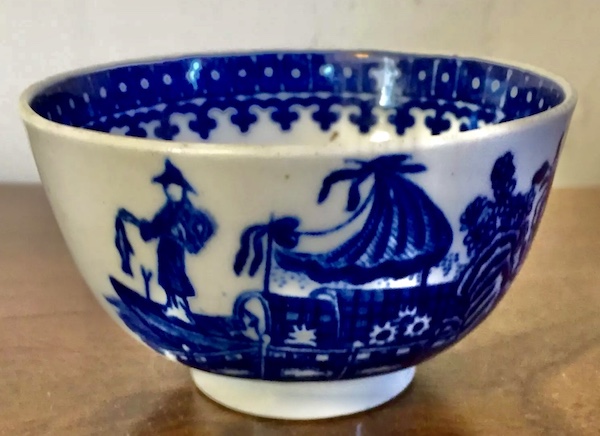
Early tea cups were handleless and called tea bowls. These pretty blue and white porcelain bowls were exported from the Far East to Europe. In 1707, a German alchemist and inventor named Johann Friedrich Bottger designed the first European porcelain that could rival the Chinese porcelain. While handleless bowls are still traditional in many Asian countries, it is somewhat of a controversy as to why handles were added to British tea cups. Some opinions state that it was because the British liked their tea “piping” hot and didn’t want to burn their hands, and others indicate it was merely a design invention to improve on the often clumsy and messy tea bowls. Notwithstanding the reason for their invention, handles began to appear on many tea cups by the early 1800s.
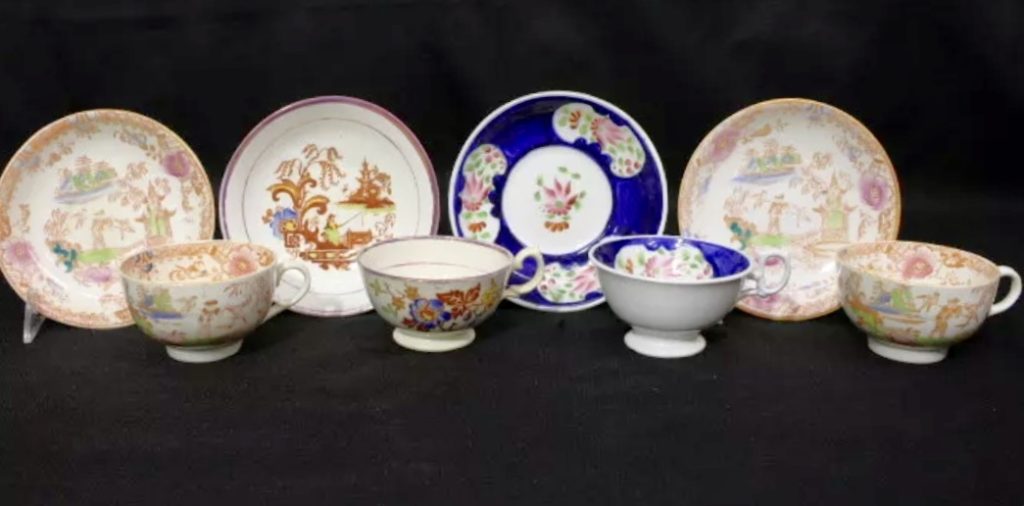
A variety of teacups and saucers from the mid-1800s. During the peak of the British Empire, from 1800-1830, elegant cup and saucer sets began to be produced to meet popular demand. Later, in the Victorian era, cups and saucers were often given as gifts by affluent ladies for various social occasions.
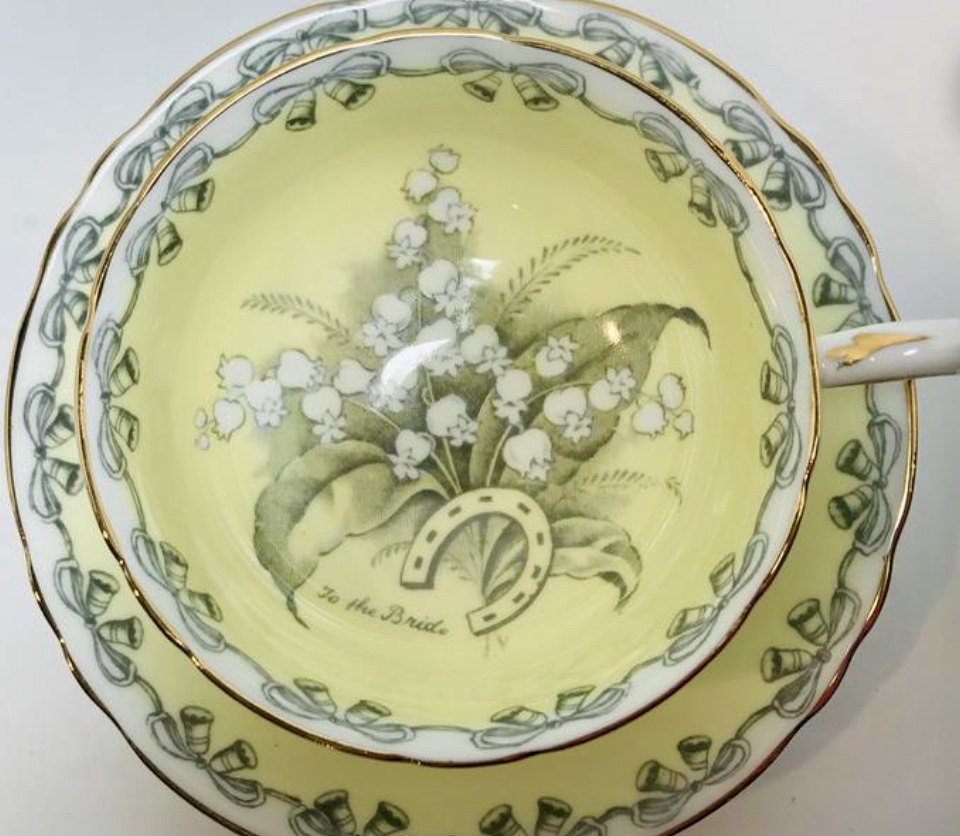
This vintage cup & saucer by Paragon was designed to be given to a bride. Writer Diana Cass relates the decorum for a “Teacup Bridal Shower” held for one of her relatives during the 1940s. “Each guest is to bring a wrapped teacup and saucer. Presented with them will be a word that represents the characteristics one should have to achieve a happy marriage. words like : patience, cooperation, music, unselfishness, humor, etc. The word should be tucked into the teacup and read aloud as the gift is opened.”
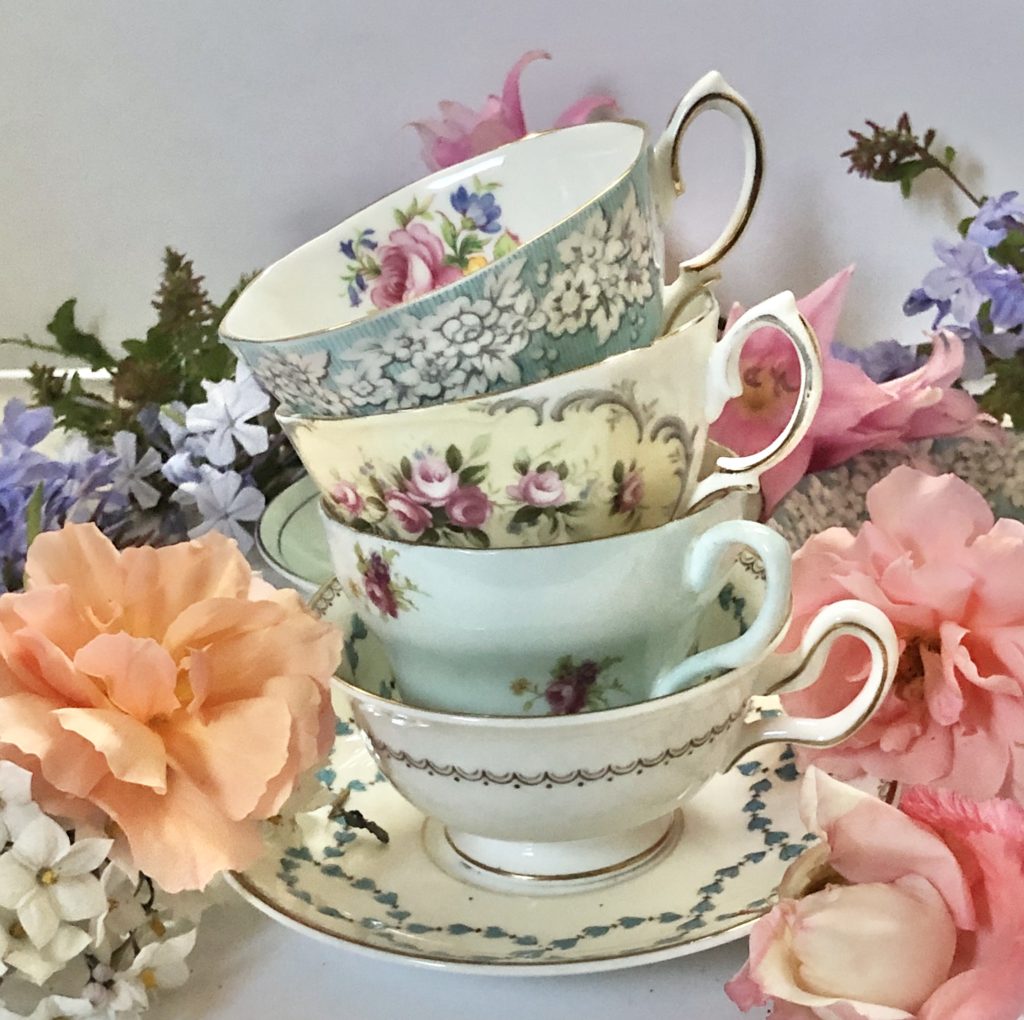
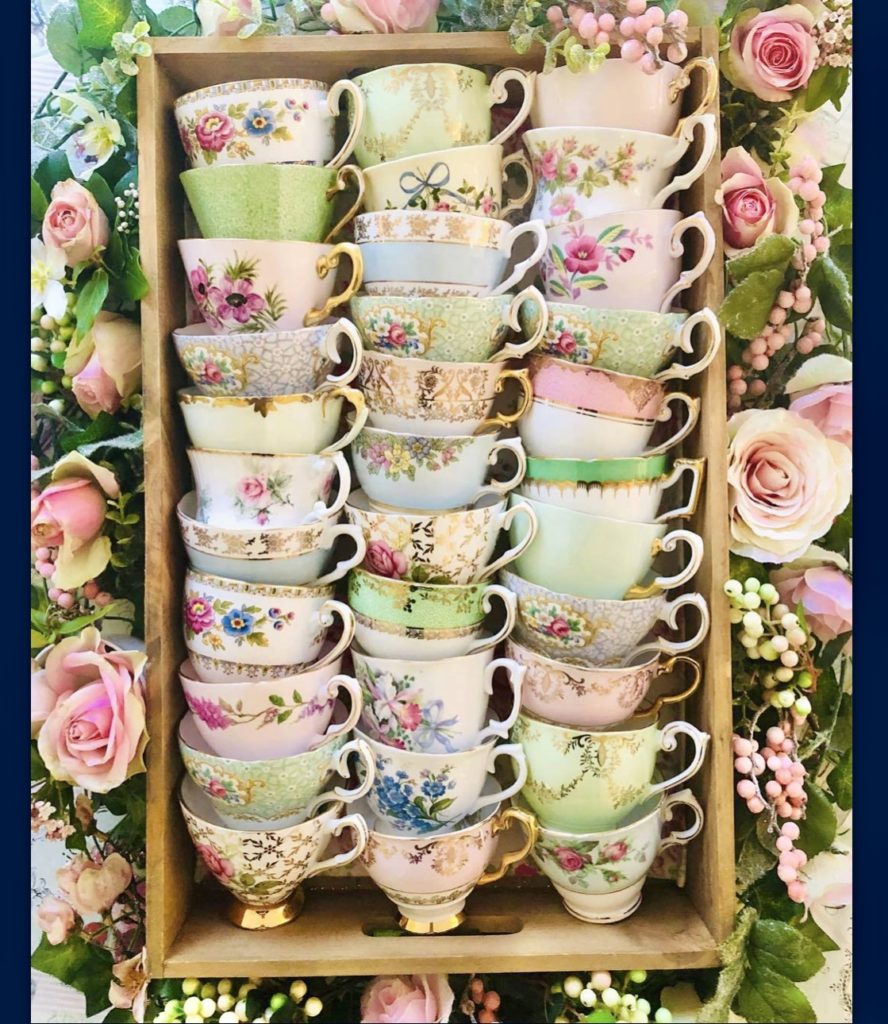
My small but growing tea cup collection. Most vintage tea cups are made from either porcelain or bone china and feature a flat or pedestal bottom. Beautiful designs were made well into the 1950s. The patterns and designs are myriad, and this is probably what makes collecting tea cups so enjoyable for many people. Whether you have received hand-me-downs from your Grandmother or found one at a local yard sale, vintage tea cups can be addicting.
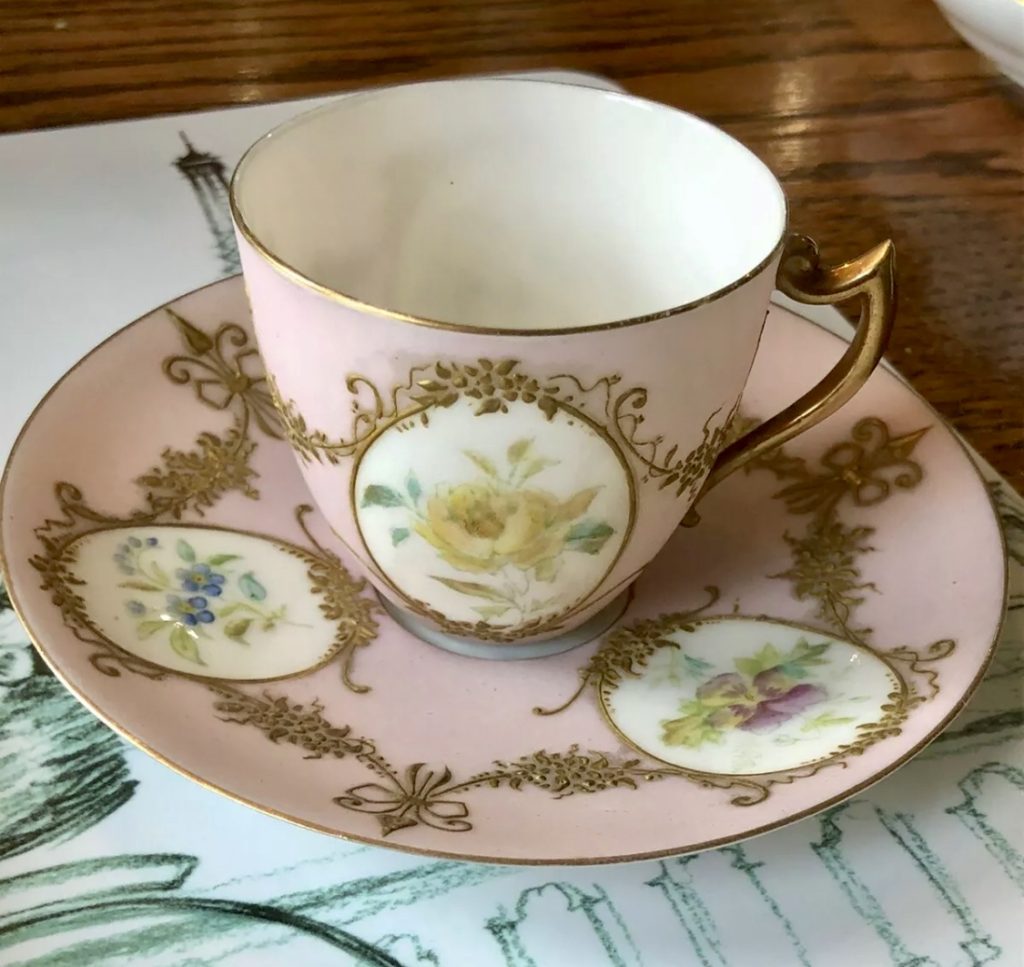
A demitasse cup and saucer. Some people enjoy collecting smaller sized demitasse cup and saucers. These diminutive cups almost appear child-sized, but are actually designed for espresso or coffee, often after a meal. Demitasse is a French word meaning literally “half-cup”.
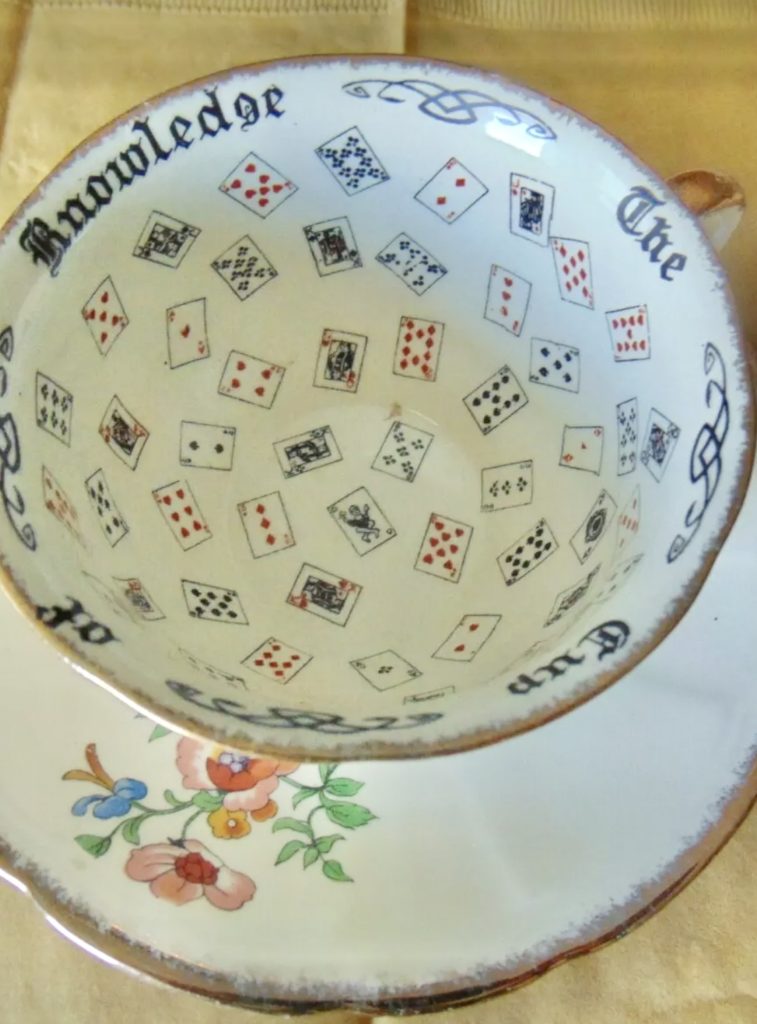
A vintage fortune-telling tea cup and saucer. There are a variety of novelty vintage tea cups. Some were made for fortune telling, which involves reading the patterns created by tea leaves once a cup has been emptied by a tea drinker and making predictions. Sometimes these even included special instructions. Other novelty tea cups celebrate specific events, such as coronations, or feature months of the year with corresponding flowers.
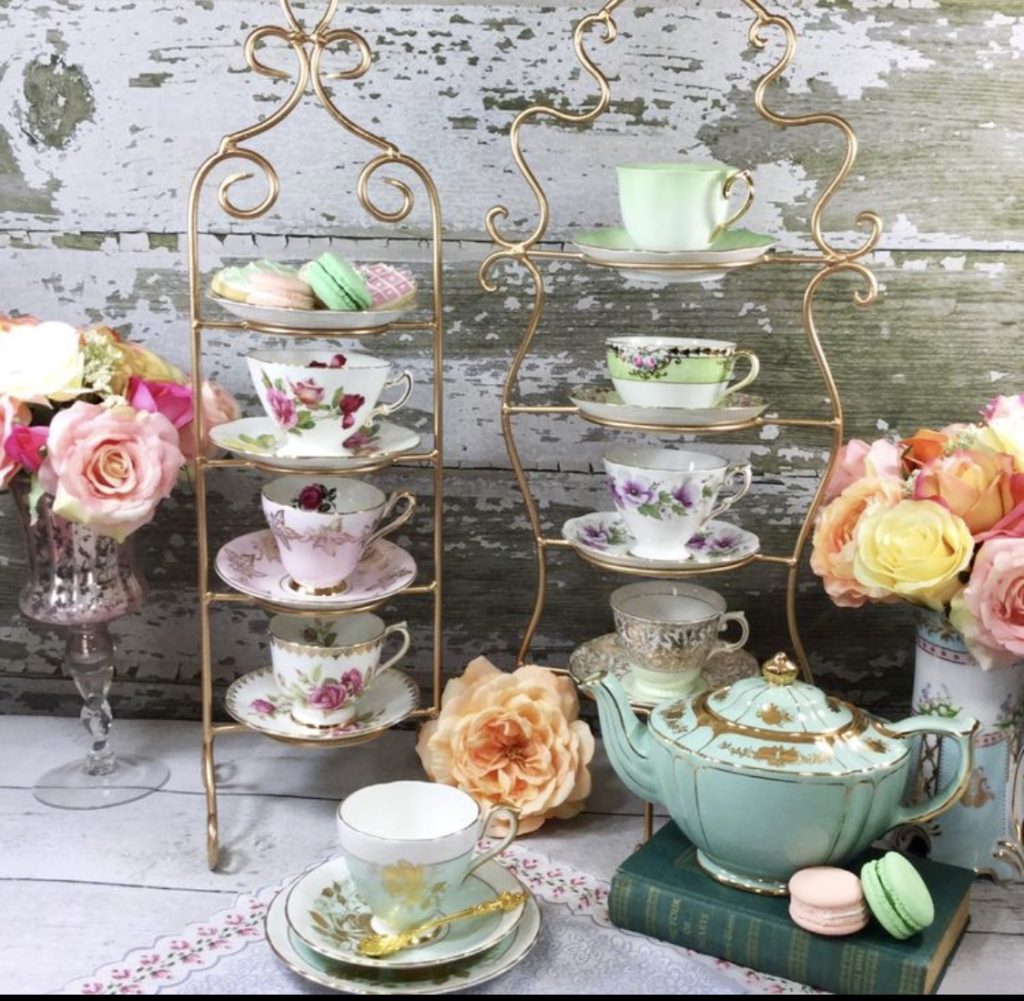
Some people like to collect only specific colors or shapes, or they prefer tea cups from a specific country, maker, or time period. English and French made tea cups seem to be the most interesting to me, but you can also find beautiful vintage ones from Japan, China, Germany, and other countries as well. Some of the most popular manufacturers are Paragon, Limoges, Royal Albert, Aynsley, Shelley, Royal Doulton, and Royal Worcester.
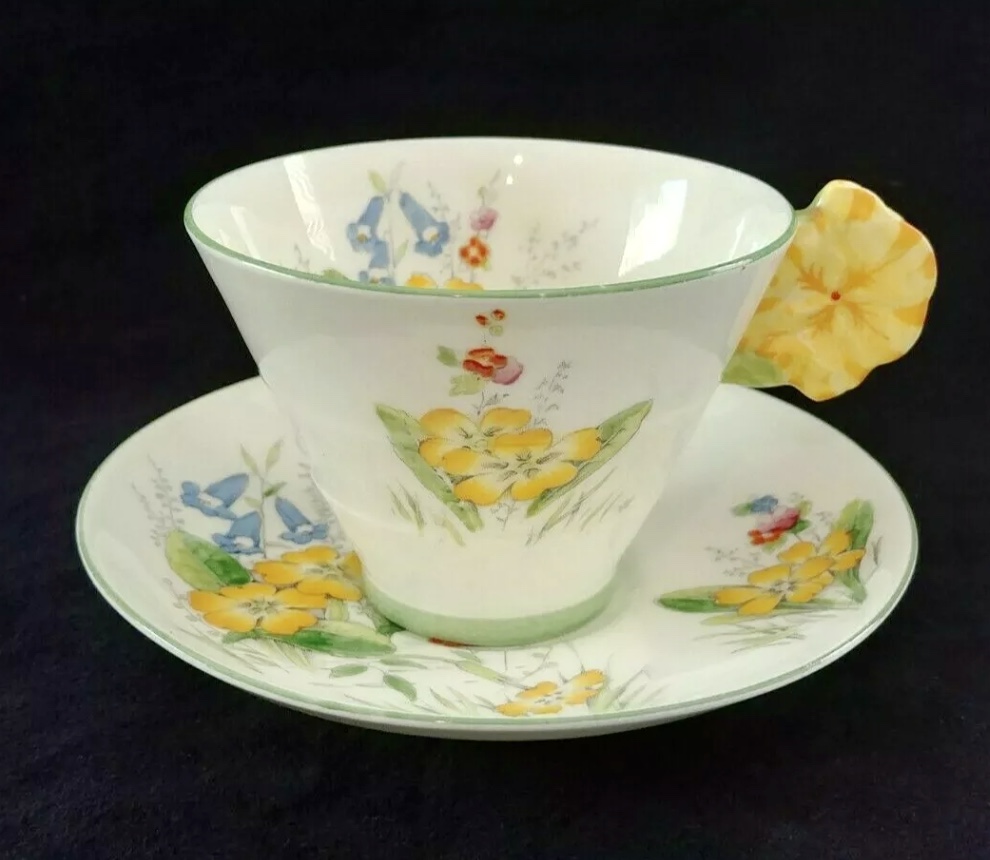
This vintage tea cup made by Paragon features a flower handle. You can find vintage tea cups at thrift stores, rummage sales, antique shops, flea markets and antique shows or online at places such as eBay and Etsy. For more information, see The Story of Tea: A Cultural History and Drinking Guide, by Mary Lou and Robert J. Heiss or check out Teacups 101. You may also enjoy my post The Tuck Box: A Fairy Tale Tea Room in Carmel-by-the-Sea.
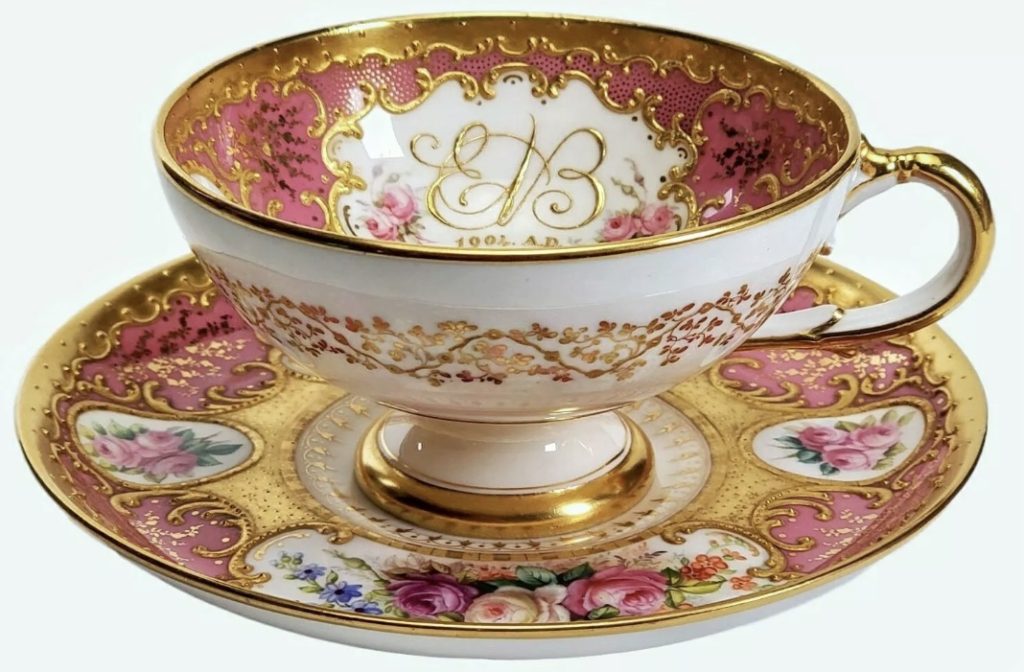
This very fancy hand painted tea cup and saucer was made by Royal Worcester in 1904. Thank you for visiting my blog. Wishing you peace, love, happiness, and beautiful vistas!
-
The History of Romantic Dovecotes
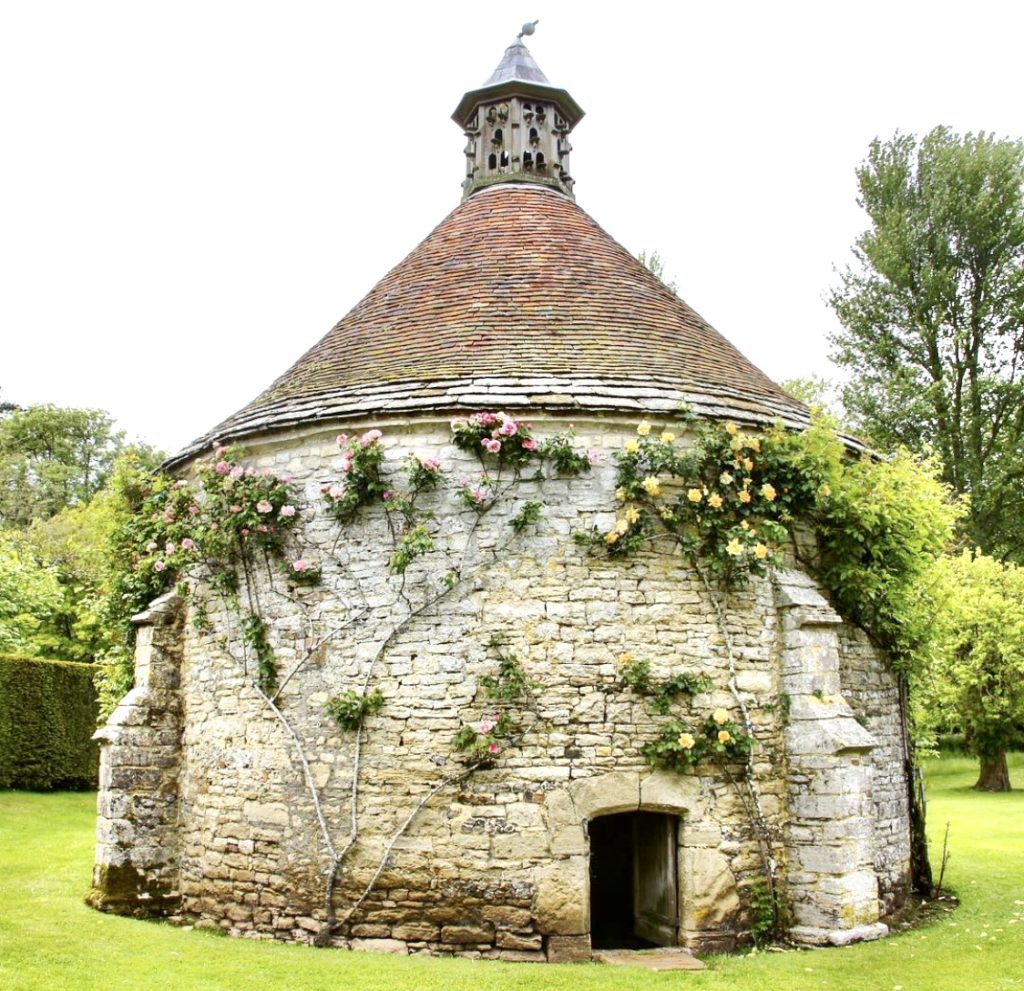
Very old dovecote at Athelhampton House & Gardens in Dorchester, England. Dovecotes have always seemed very romantic to me. My first exposure to the concept of dovecotes was when I read Louisa May Alcott’s Little Women. In the novel, the eldest of four sisters, Meg March, becomes engaged. Her fiancé, John Brooke, builds a tiny cottage for them to live in once they are married. The March’s dear neighbor Laurie christens it the “Dovecote”, insisting that “it was highly appropriate to the gentle lovers who went on together like a pair of turtledoves”.
Unfortunately, my romantic notion of dovecotes burst when I did more research. Apparently, most dovecotes were used to house blue rock pigeons, an important food staple. This practice skyrocketed during medieval times. According to Peter and Jean Hansell in their book Dovecotes, “the cost of the birds’ upkeep was negligible because they foraged far and wide…and needed supplementary feeding only when snow was on the ground”. In addition, the Hansells relate that pigeons are highly prolific and “an unfailing supply of squabs could be relied upon” for meals. Pigeons were also kept for their eggs, droppings, and feathers. Pigeon droppings were used for leather tanning and making gunpowder. Their feathers were used for pillows and feather beds. Pigeons also often served medicinal purposes, however, I will refrain from relating the details as it is a bit gruesome.
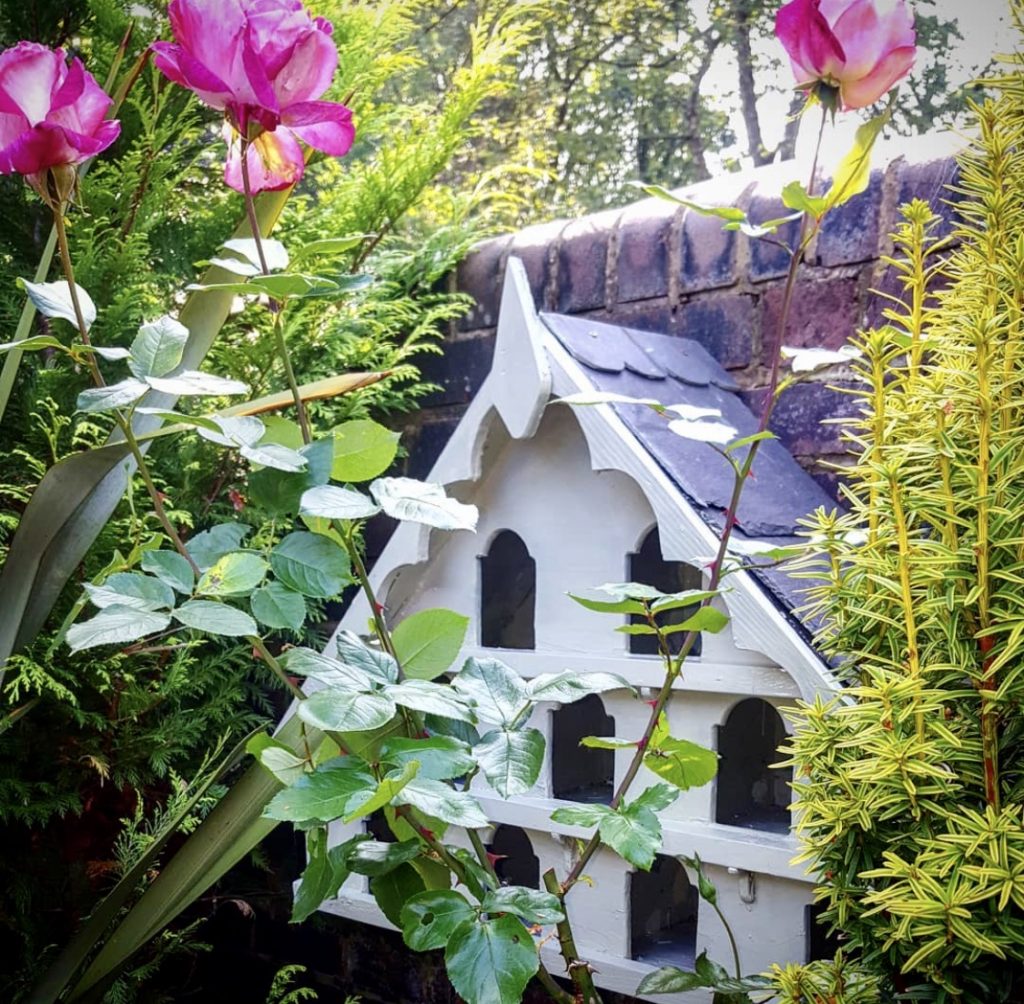
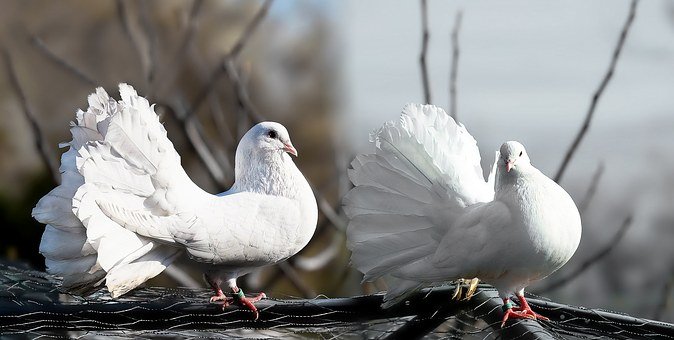
Photo courtesy of @xsharon.s I am happy to report that these once common practices have all but died out today, although certainly not entirely. And just like those biblical heroes of old, the dovecote dwelling blue rock pigeons have left numerous descendants. They begat and begat and begat. Those descendants include both feral pigeons inhabiting cities and parks and the pretty white doves often portrayed carrying olive branches, hence both “dove” and “pigeon” are used interchangeably. Did you know that another word for dovecote is pigeonaire? I prefer dovecote, pigeonaire sounds somewhat like an old appliance to me.

Dovecotes were built in many styles, including circular, square and rectangular, and octagonal. Per the Hansells, early dovecotes were generally made of mud, clay, straw, wattle and daub, limestone, sandstone, flint, chalk, timber framing, weatherboarding, granite, and slate, and later dovecotes were made of brick and stone. While early structures were free-standing and limited to very wealthy people such as lords with manors or castles, or large monasteries, later dovecotes were often much smaller and built into the side of homes and barns.
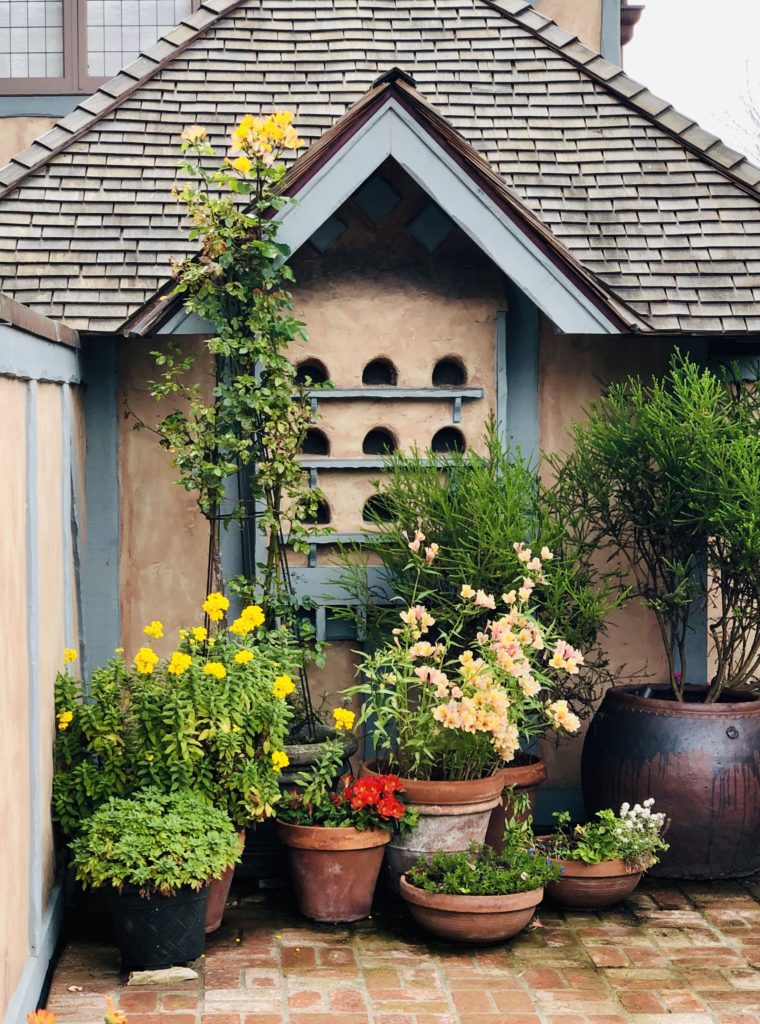
Dovecote in Carmel-by-the-Sea. While the history of dovecotes was not necessarily what I had envisioned, I still find these structures enchanting. I also find it endearing that people are still using dovecotes today to provide shelter for our feathered friends.
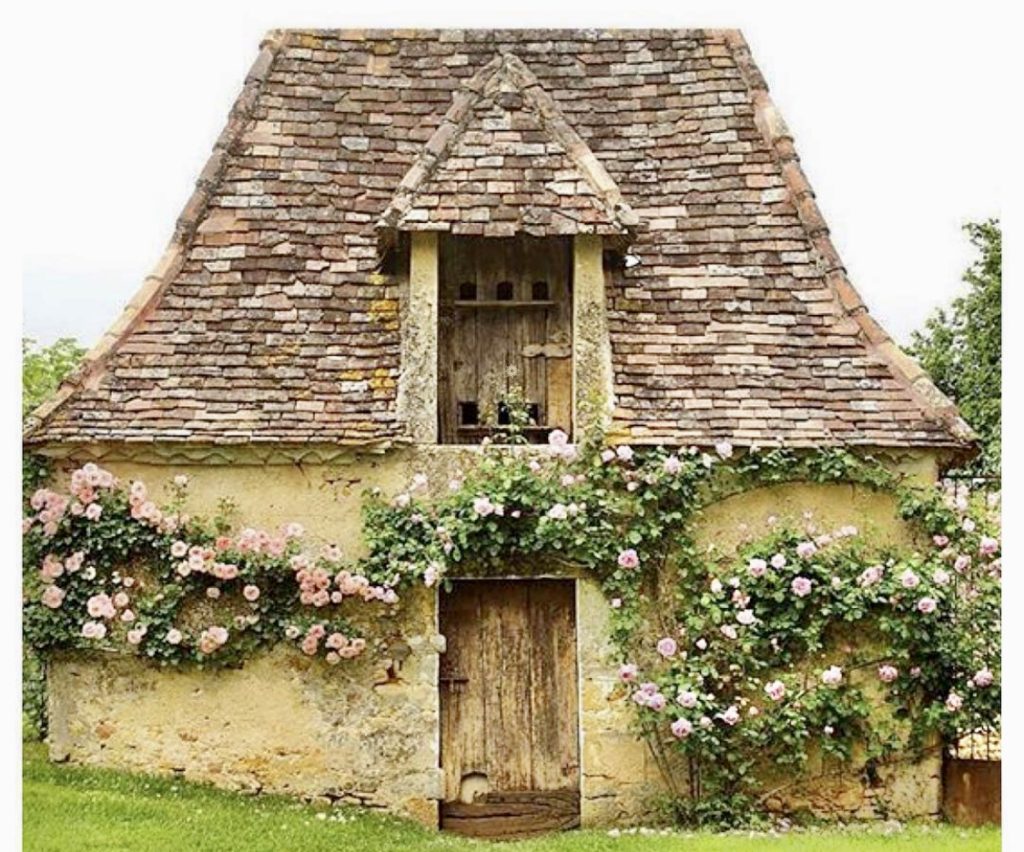
French dovecote photo courtesy of @serendipity_loves For more information on dovecotes, see the following by Peter and Jean Hansel: Dovecotes, Doves and Dovecotes, and A Dovecote Heritage or visit Pigeon Cote. You may also enjoy my post Add Charm to your Garden with Beautiful Birdhouses!
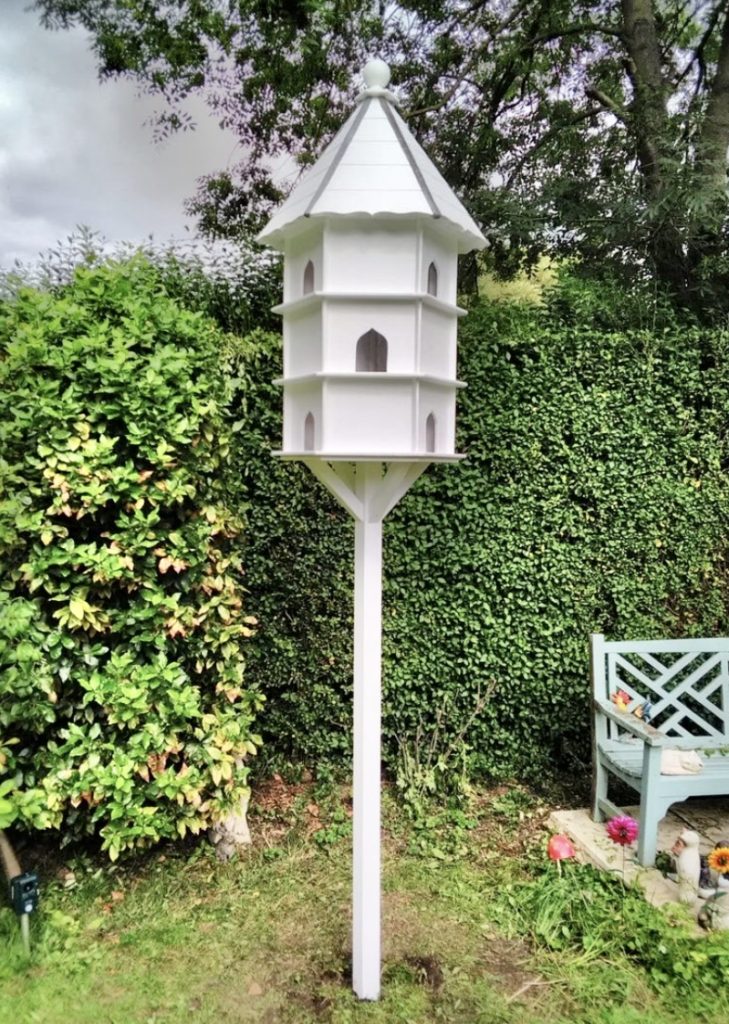
Hand-made Bespoke dovecote available on Etsy.com Thank you for visiting my blog! Wishing you peace, love, happiness, and beautiful vistas.
-
The Historic Old Whaling Station in Monterey
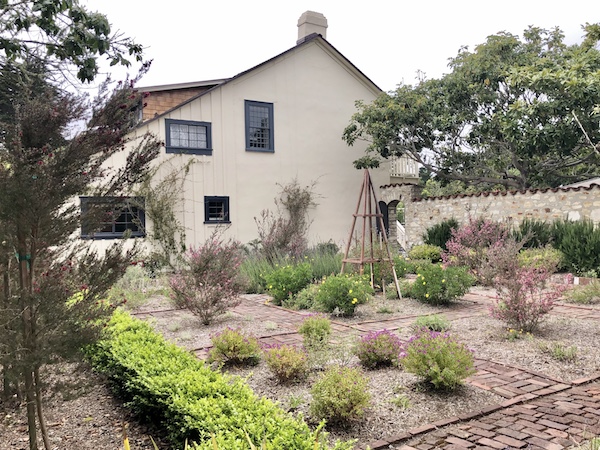
Monterey has a very colorful history. Part of that history includes the whaling industry. Just footsteps from Fisherman’s Wharf, you can view the remnants of that long ago era at the Old Whaling Station.
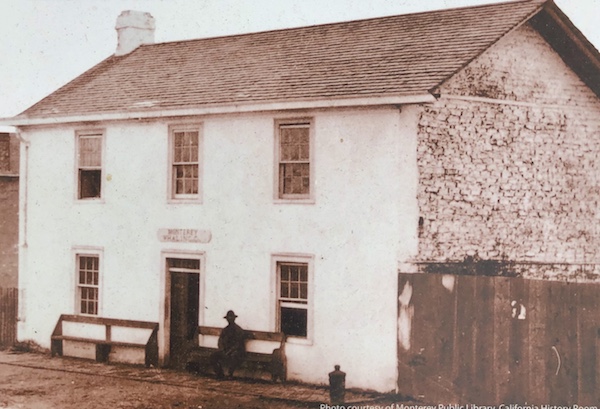
The Old Whaling Station’s history begins with David Wight. Mr. Wight built an adobe home for his family here in 1847 based on his ancestral home in Scotland. The Wights lived here for only a few years before joining the gold rush in 1850.
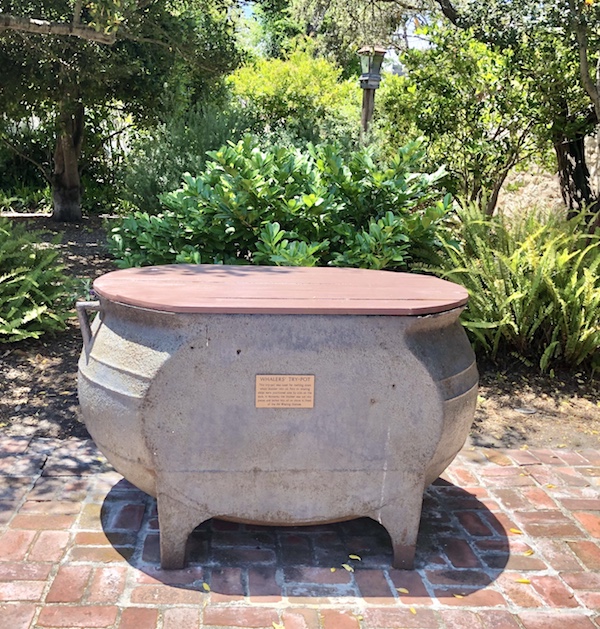
An original try-pot located behind the Old Whaling Station. After Mr. Wight’s departure, Portuguese whalers employed by the Old Monterey Company began working at the site in 1855. Second floor windows of the home were used to spot whales. After the whales were killed, their blubber was cut into pieces and rendered in huge iron “try-pots” on the beach in front of the Old Whaling Station. Whenever I hear “try-pots”, I think of the famous novel by Herman Melville, Moby Dick, and the “fishiest of all fishy places”, the “Try Pots”, where “pots were always boiling chowders. Chowder for breakfast, and chowder for dinner, and chowder for supper, till you begin to look for fishbones going through your clothes.”
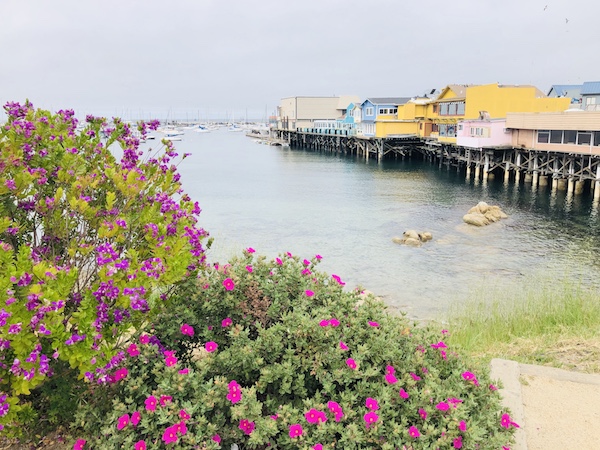
The Old Whaling Station is just a short walk from Fisherman’s Wharf. The Whaling Station was in operation here for approximately 30 years. The whaling industry was spurred by an increased demand for a variety of products during the 19th century. Whale oil was used for lamps, soap, perfume and cosmetics. Whale bone was used for corsets, sizing poles, hoops for women’s skirts, and umbrellas, and blubber was used for cooking and machine oil and margarine.

Humpback Whales diving and feeding in Monterey Bay. By the 1930s, many whale populations became endangered due to massive hunting. Thankfully, whale hunting is outlawed in most countries today. Whales are staunchly protected in the Monterey area, and a plethora of whale-watching cruises are available year round (pre-pandemic), departing from Fisherman’s Wharf in Monterey and further north in Moss Landing.
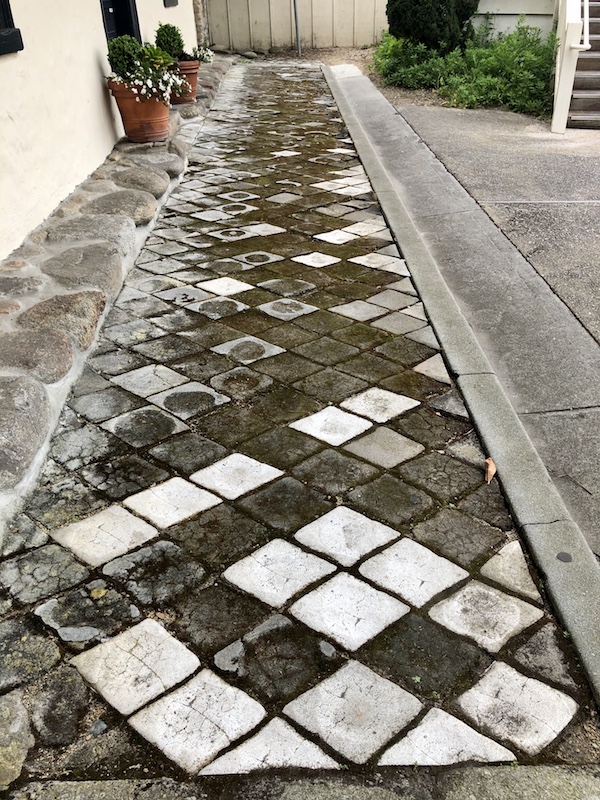
Whalebone used to create sidewalk in front of the Old Whaling Station. While you are here, check out the walkway in front of the building. Whalebones, which were found plentifully on the beach here during the whaling heyday, were cut and trimmed as paving blocks for a sidewalk. The whalebone sidewalk here is one the last of its kind remaining in the United States.
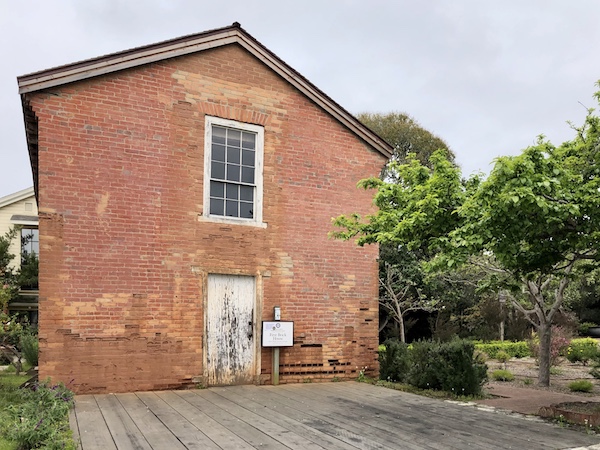
Monterey’s first brick house is located just adjacent to the Old Whaling Station. The Junior League of Monterey currently leases the Old Whaling Station from California State Parks and allows the adobe and gardens to be used for weddings and other events. For more information, see Old Whaling Station or contact the Junior League of Monterey at 831-375-5356. The historical building hours prior to the pandemic were Tuesday through Friday, 10 am to 2 pm. Although the building is now closed, the garden remains open.
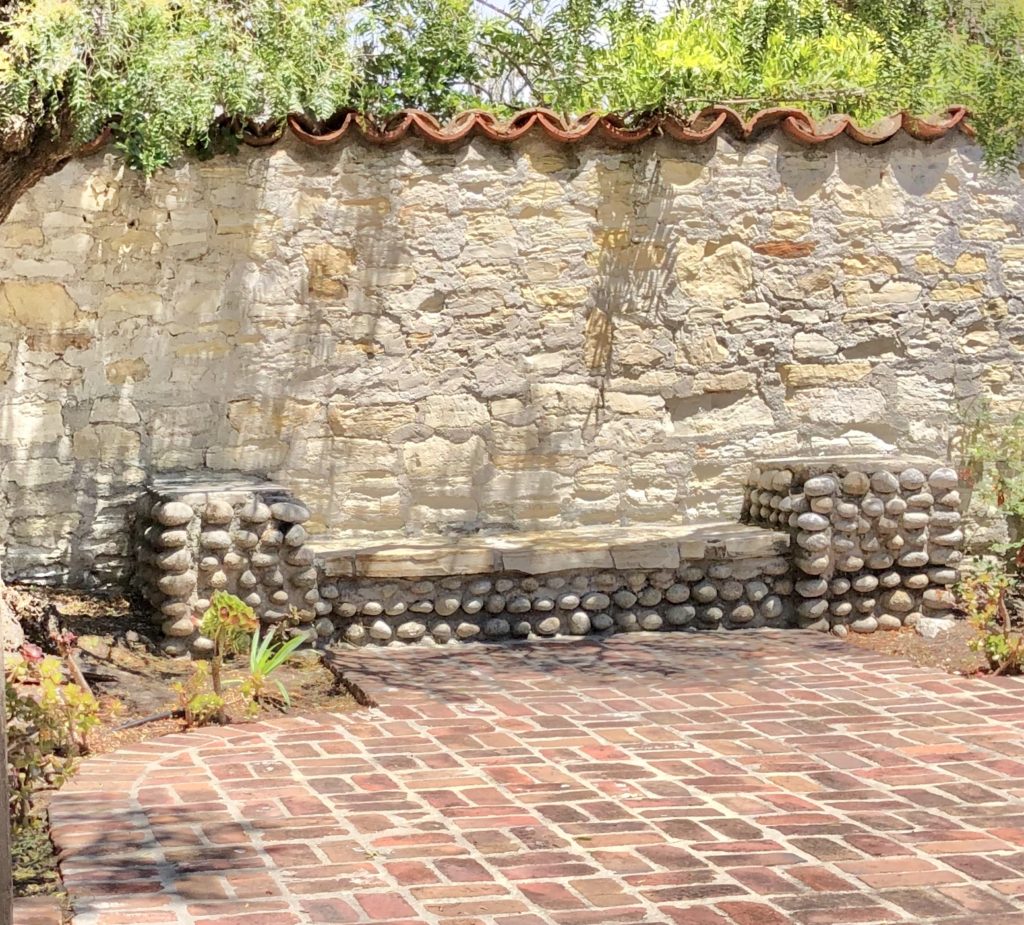
Thank you for visiting my blog. I hope you are able to visit Monterey and see the Old Whaling Station. To learn more about Monterey, you may enjoy my other posts including Adventures at the Monterey Bay Aquarium, Whale Watching & More at Fisherman’s Wharf, The Secret Gardens of Historic Monterey, Cannery Row: What to See & Do!, and Delicious Places to Eat in Monterey on a Budget. Wishing you peace, love, happiness, & beautiful vistas!
-
The Charm of Antique Watering Cans
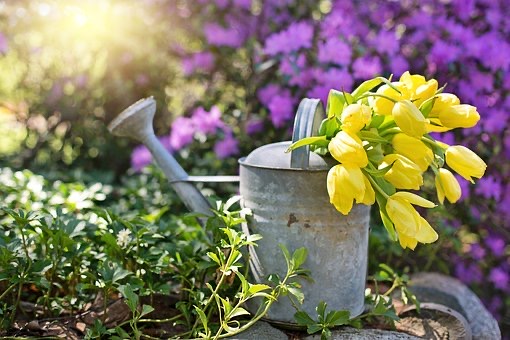
I love antique watering cans. Both functional and charming, they have been in use for hundreds of years to water plants and flowers. Before the watering can we know today, buckets and earthenware watering pots were used. These were cumbersome and often very heavy, especially after being filled with water! We have it pretty easy today with our 100 foot long garden hoses and adjustable spray nozzles. These people would likely call us gardening sissies!
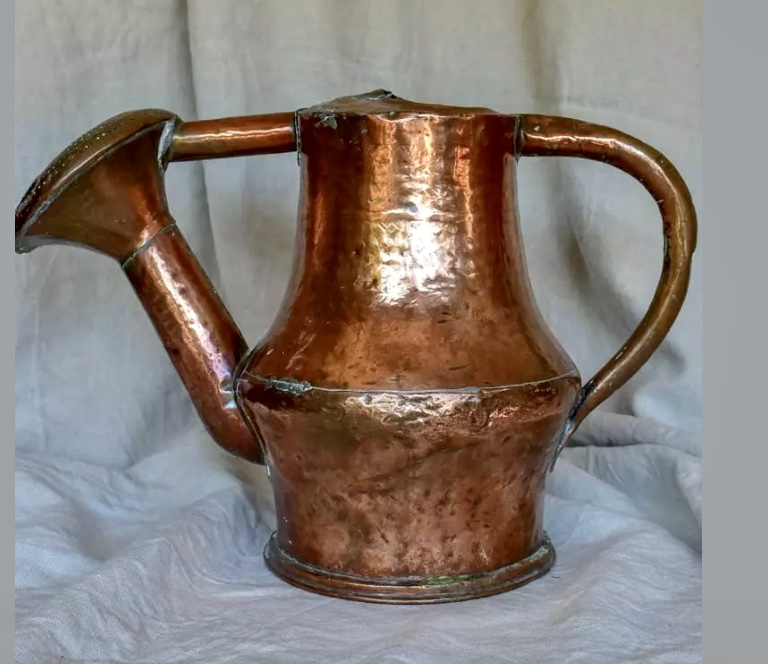
Early French copper watering can. 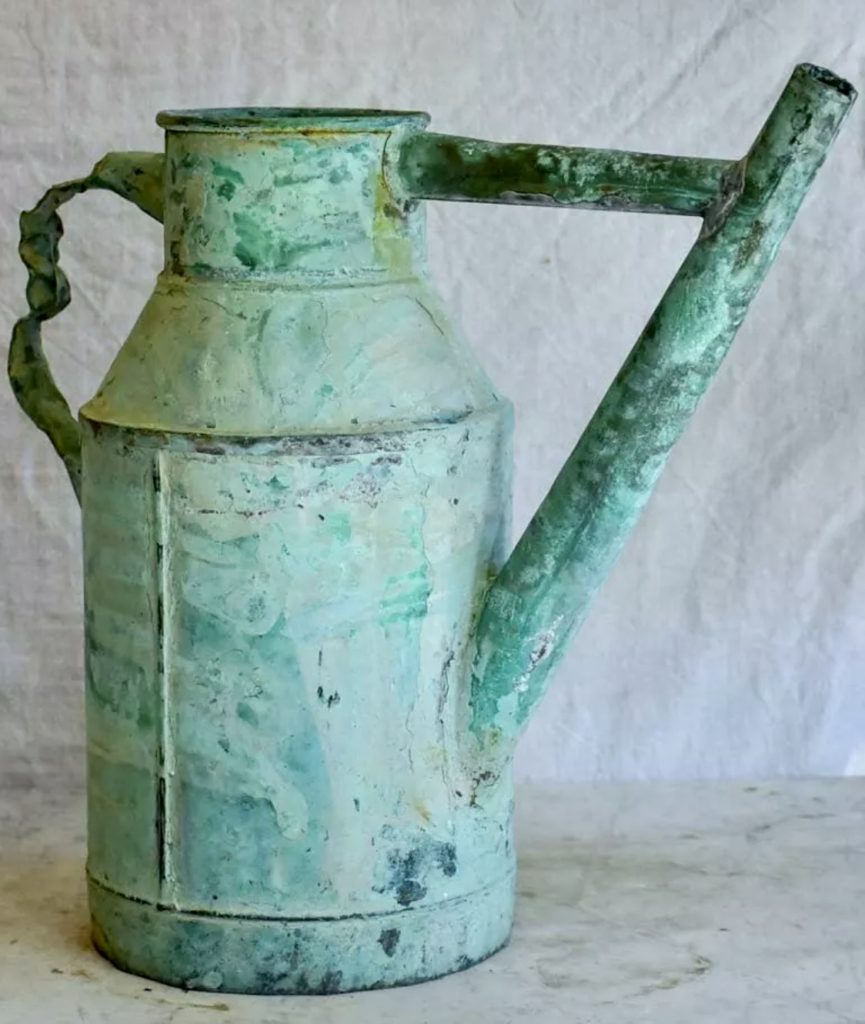
Another early French copper watering can with a distinctive blue patina. The humble watering can has undergone many changes. In the late 1600s, watering cans began to be constructed of copper. Then, during the mid-1800s, they were also produced in brass and zinc. Antique French watering cans of yore often resembled large pitchers, often with graceful and elegant handles. American watering cans tended to be larger and bulkier.
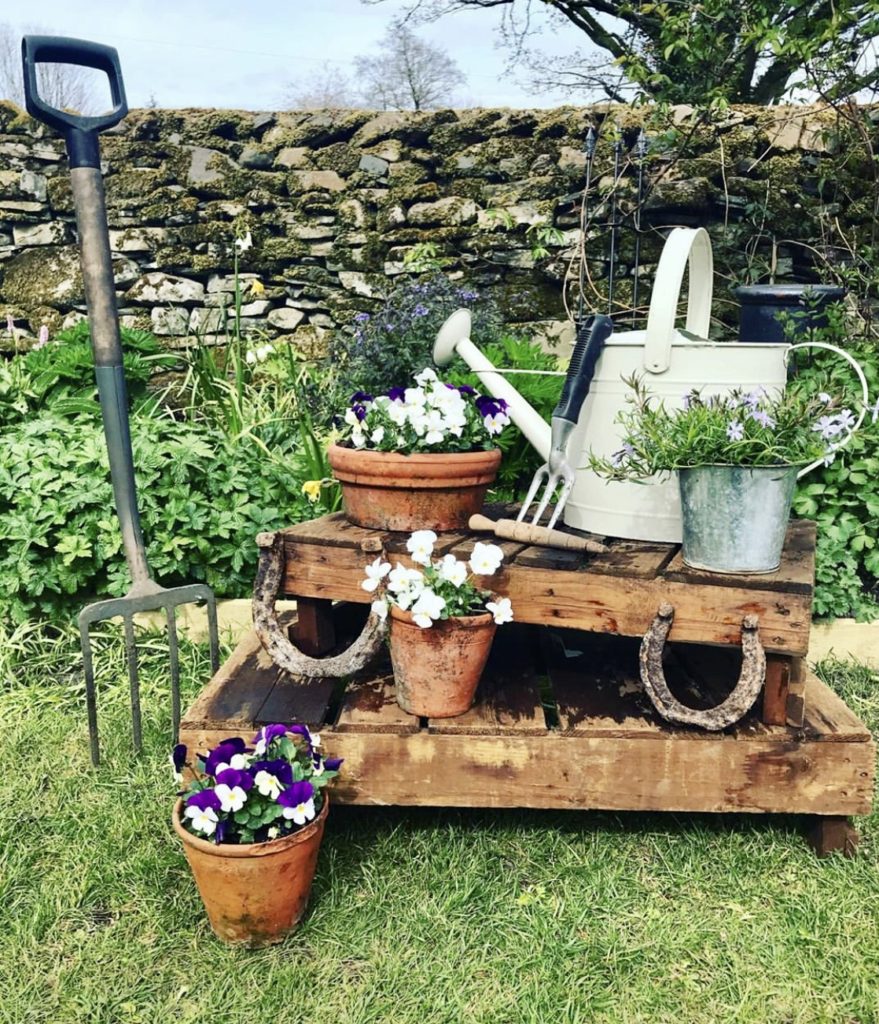
Photo courtesy of @lane.end.cottage 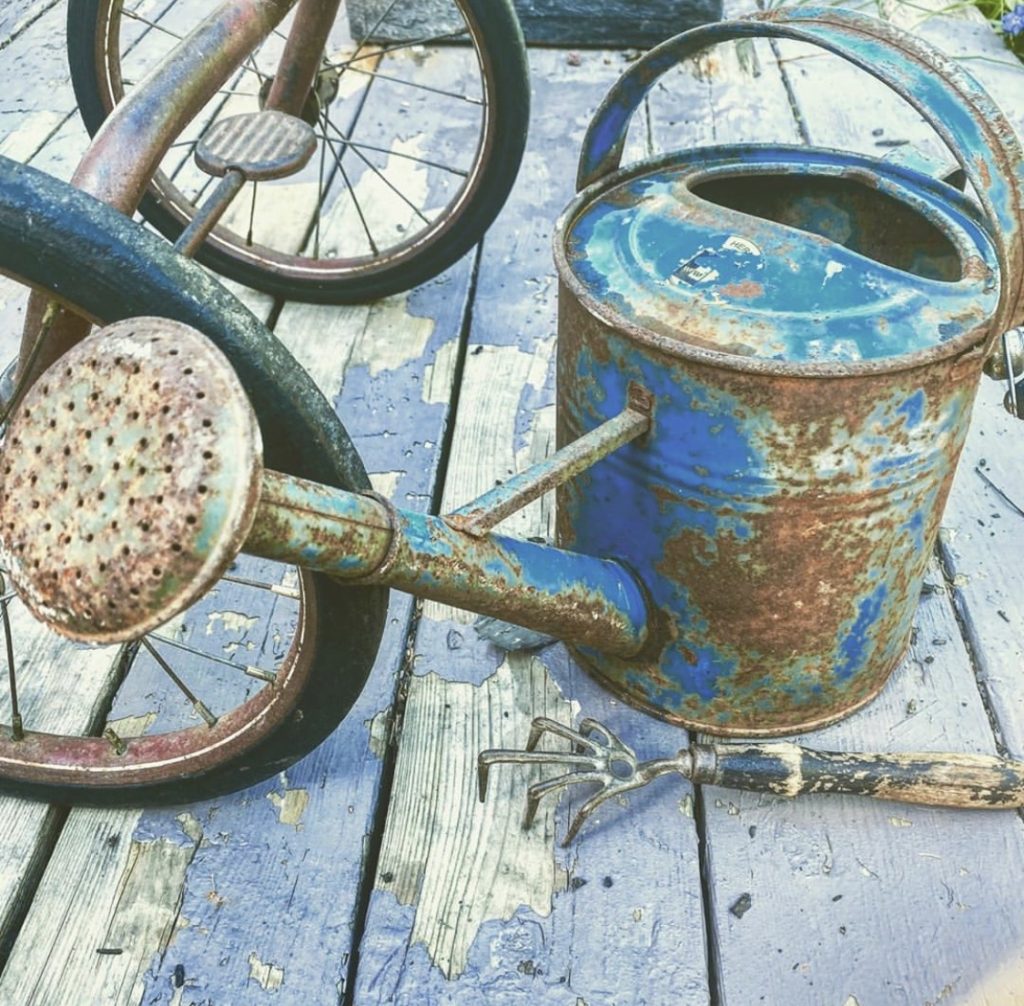
Gardening became extremely popular during the Victorian era. Due to a craze for ornamental gardens and greenhouses, the need grew for better watering cans. In 1886 the Haws Company came to the rescue. This English business revolutionized the humble watering can by creating a longer spout and two handles: one on the top for carrying, and one on the back for tipping and pouring. The Haws watering can remains a classic today.
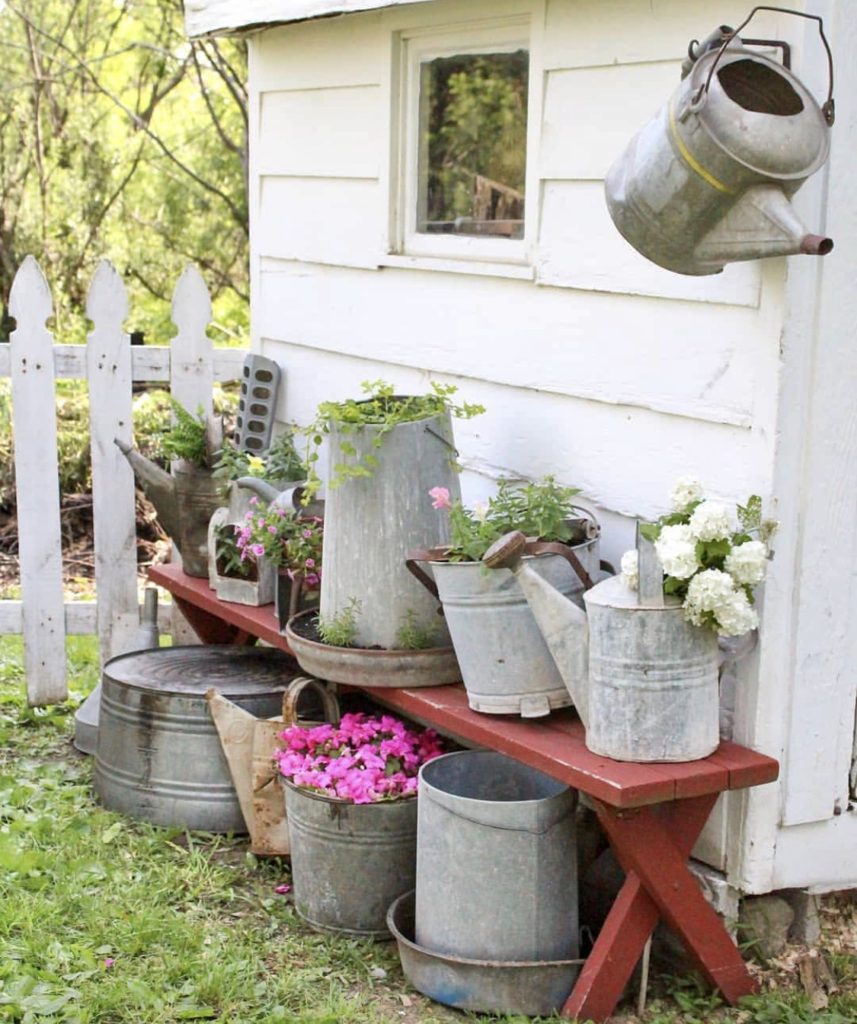
Photo courtesy of @countryfirsts 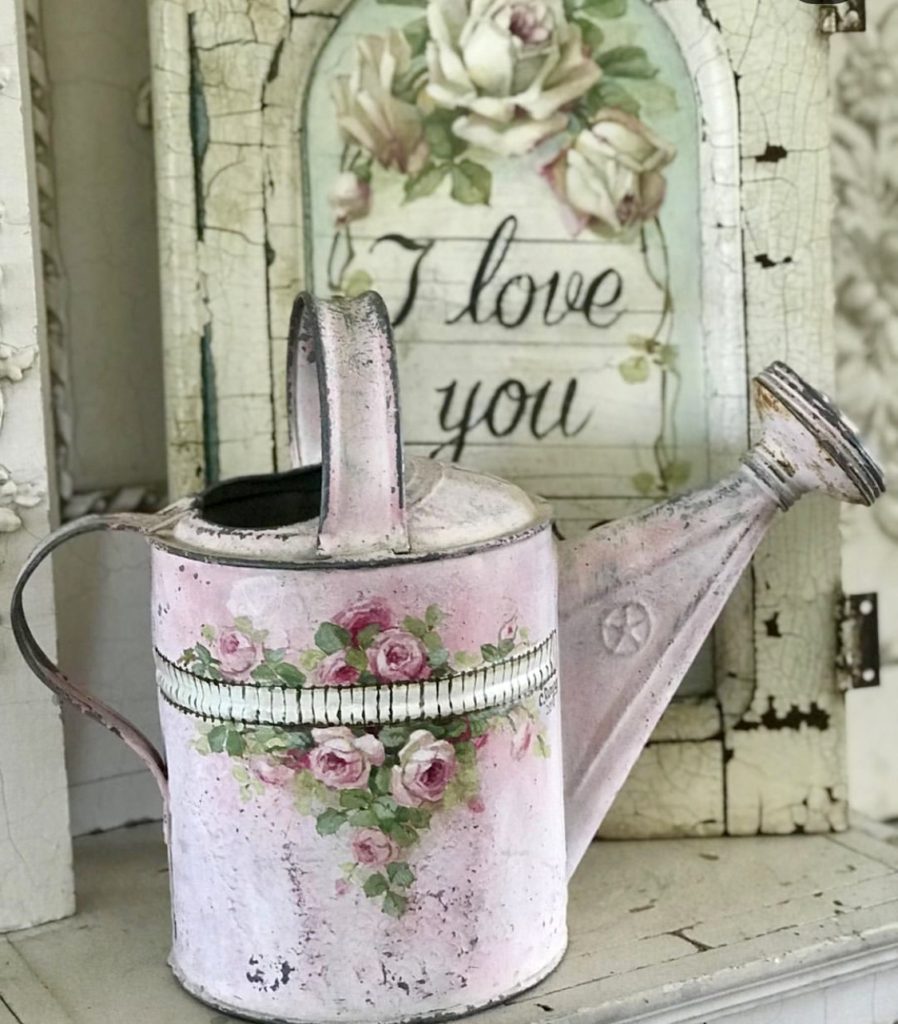
Photo courtesy of @shabbytownusa11 Another addition to watering cans was the use of a detachable sprinkling “rose” on the tip of the spout. It enabled the control of water flow, creating a gentle trickling of water from a multitude of tiny holes, versus a heavy torrent. Its name is derived from the French word “arroseur”, meaning sprinkler.
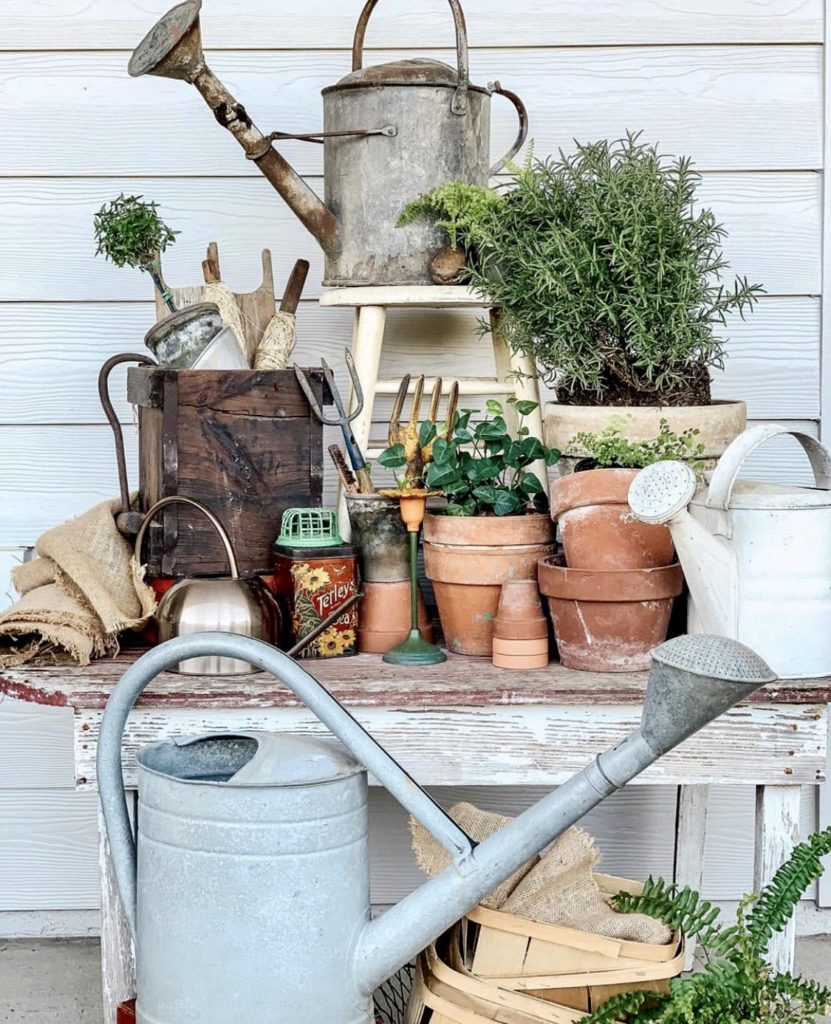
Photo courtesy of @weatheredwaresandco Galvanized metal watering cans became plentiful in the early 1900s. These are the most common antique watering cans found today.
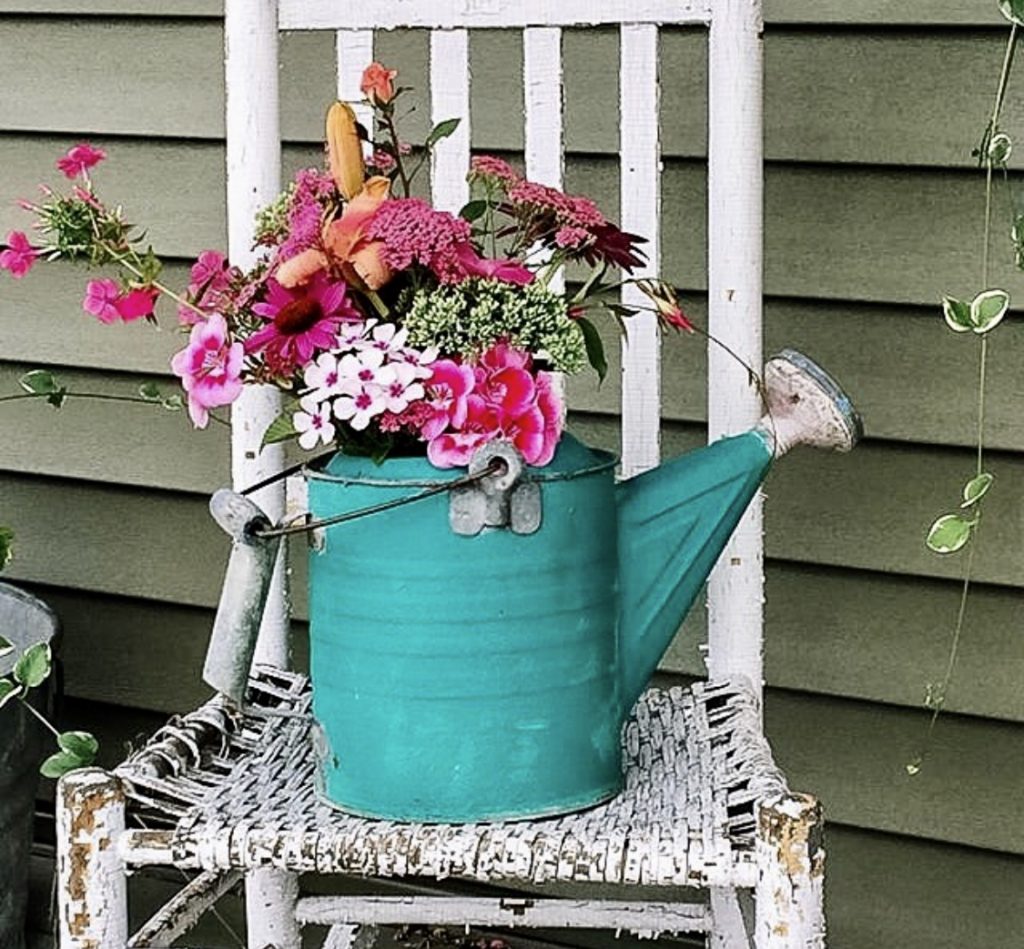
Photo courtesy of @tinyvintagefarmhouse While early antique watering cans often sell for hundreds of dollars, later models can often be found for a more reasonable price at yard sales, flea markets and online sites such as eBay and Etsy. These may have dings and dents, but that is what adds character!
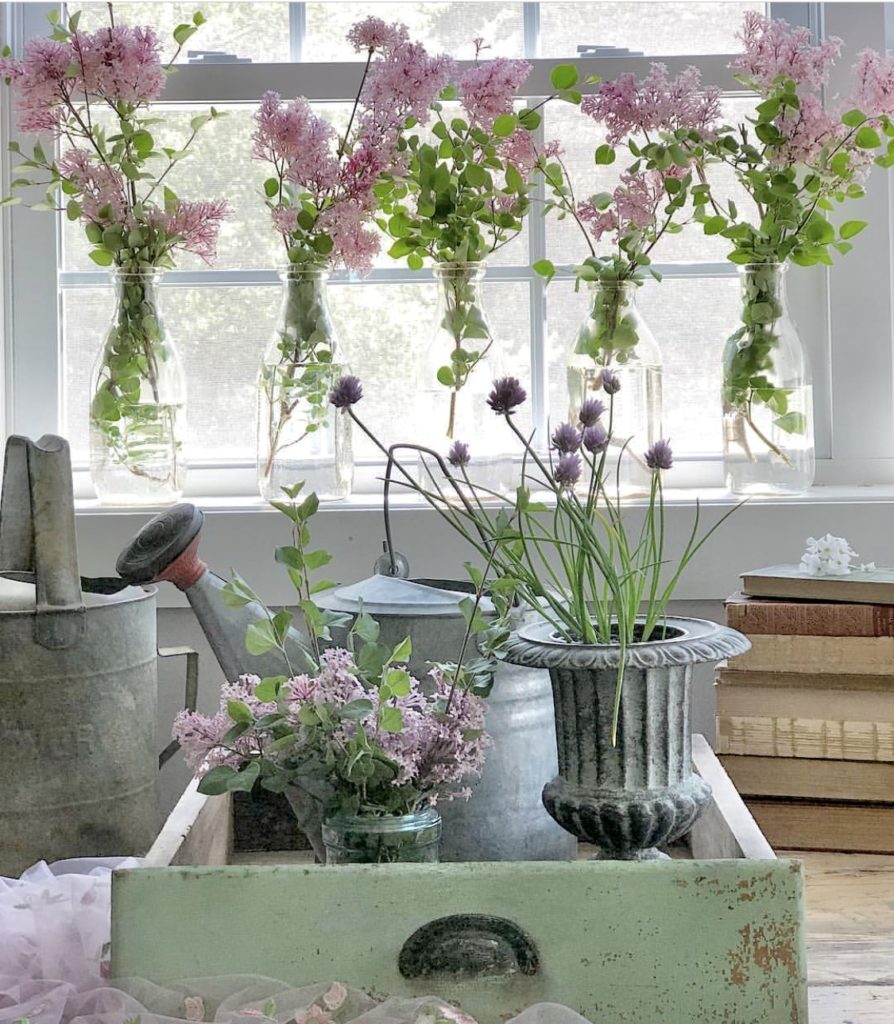
Photo courtesy of @rachelsgarden_artbyamy Even if you don’t have a green thumb, you can create charming vignettes using watering cans. Whether painted, filled with flowers, or hung on hooks, they can add warmth and a one-of-a-kind vibe.
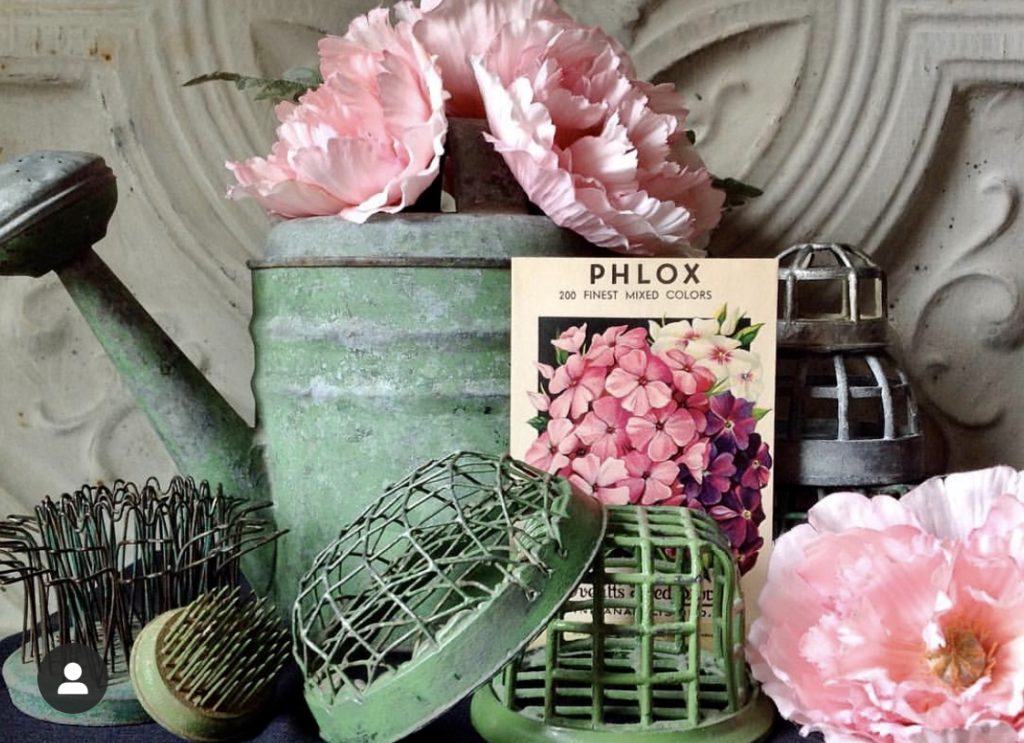
Photo courtesy of @brocante_victoria Some folks like to collect different sizes or styles and group them together.
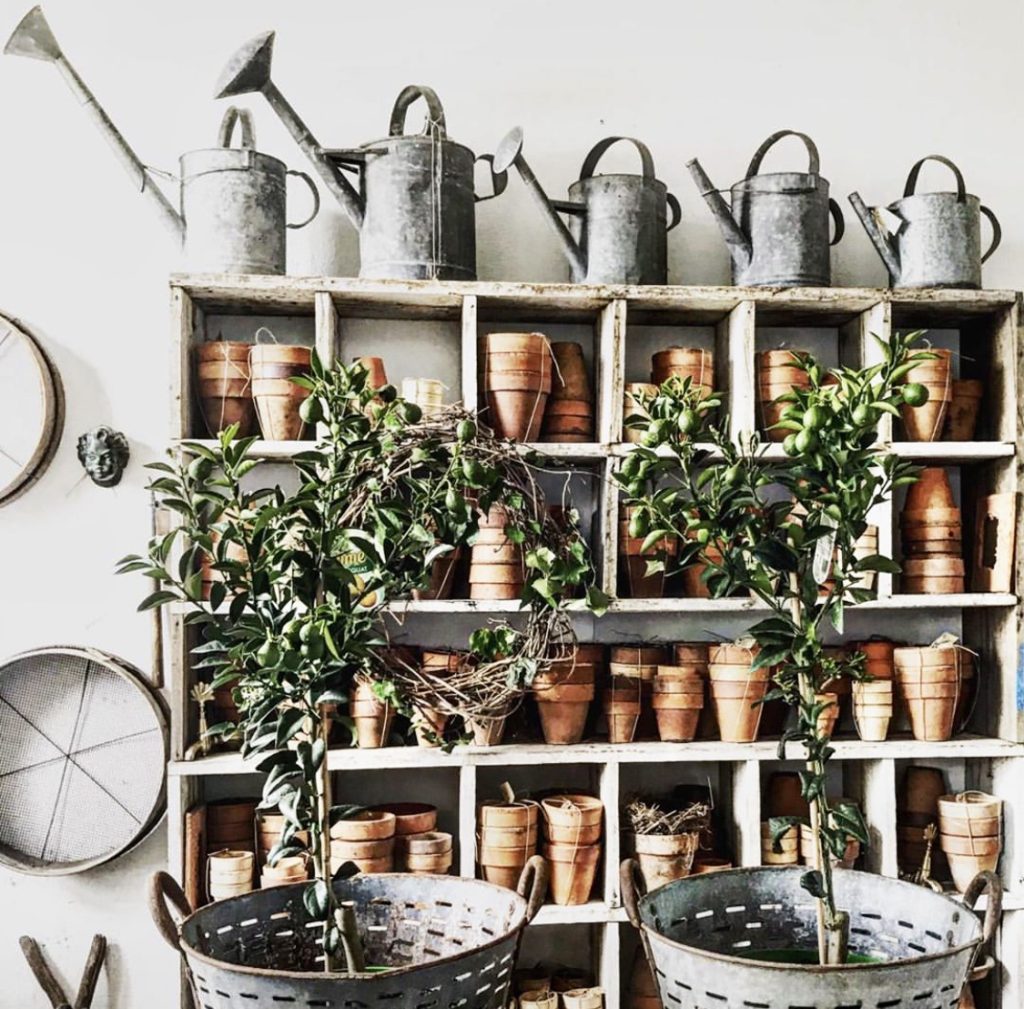
Photo courtesy of @vintage.216 You can change your watering can decor along with the seasons. Your imagination is the limit!
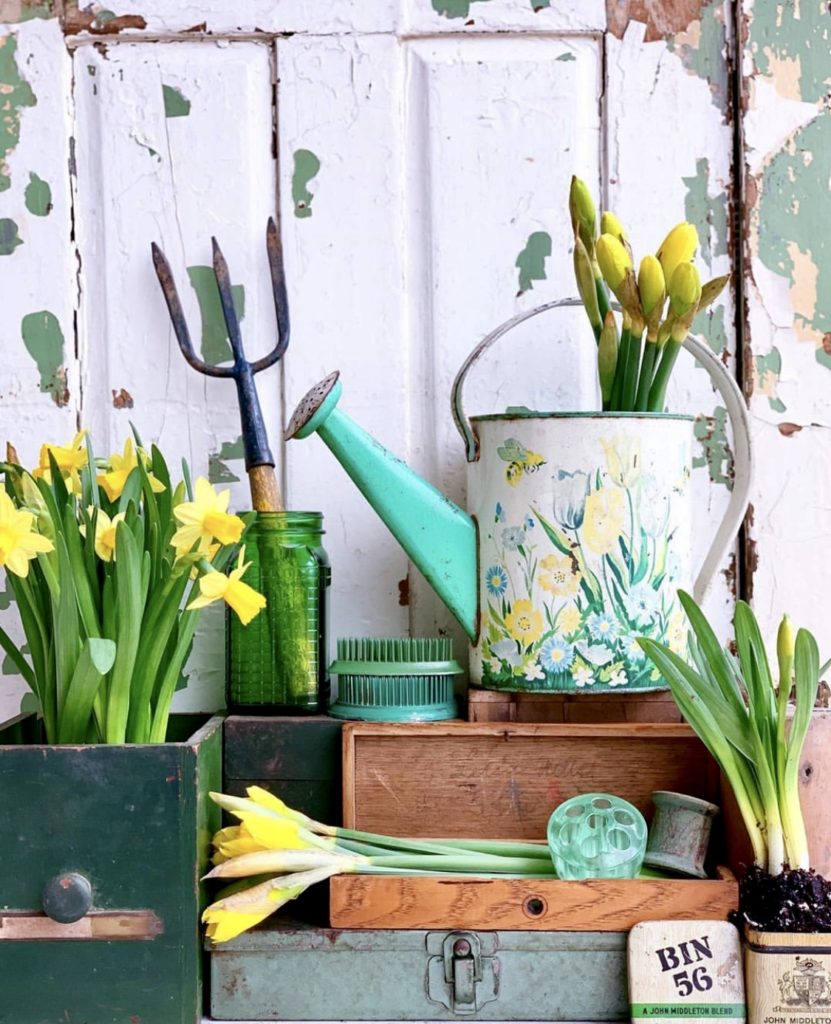
Photo courtesy of @weatheredwaresandco I hope you enjoyed this post and gained some watering can inspiration! For more information, see Antique Watering Cans, Antiques From The Garden, by Alistair Morris, and Garden Tools by Suaznne Slesin, Guillaume Pellerin, and Stafford Cliff. You may also enjoy some of my other gardening posts, including Have a Seat: Garden Bench Inspiration, Add Charm to your Garden with Beautiful Birdhouses!, and The Secret Gardens of Historic Monterey
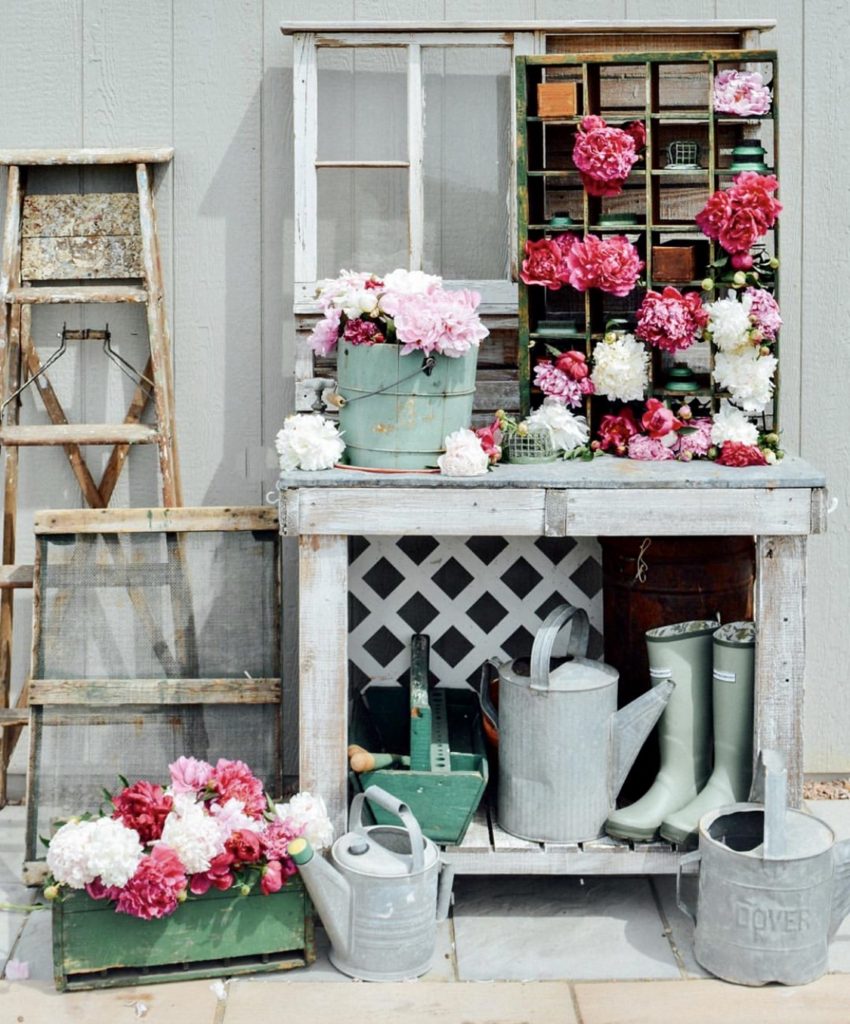
Photo courtesy of @thevettelfarm 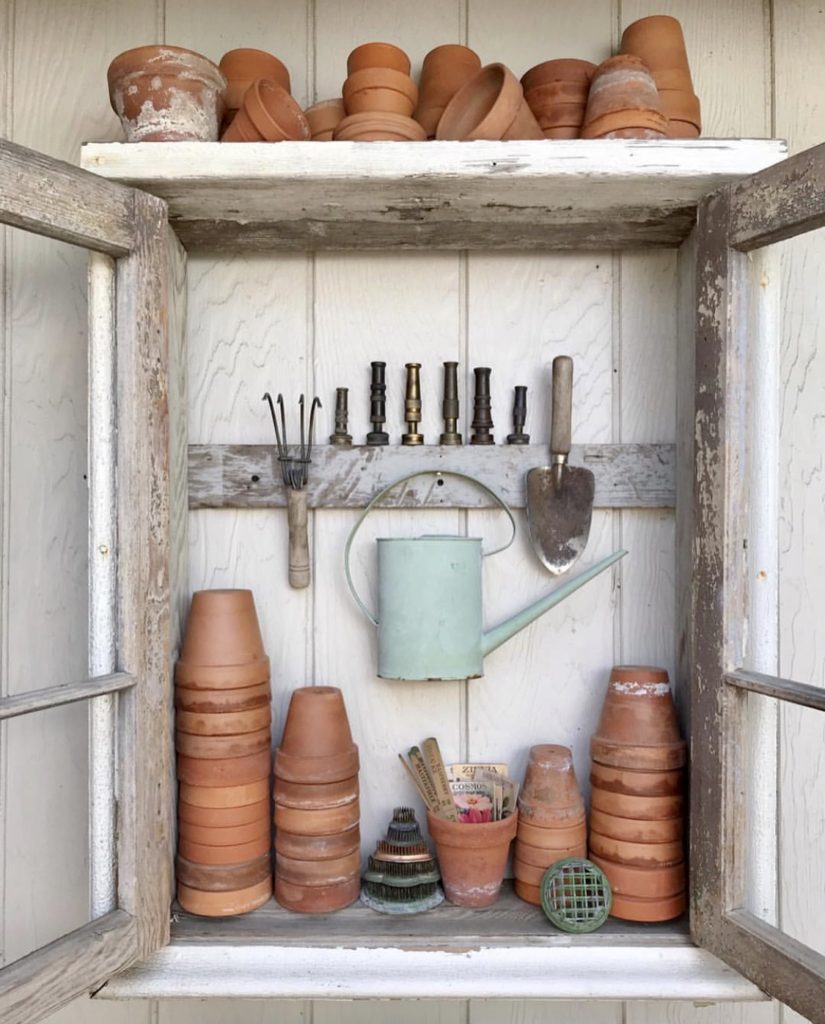
Photo courtesy of @toile_de_jute Wishing you peace, love, happiness and beautiful vistas!
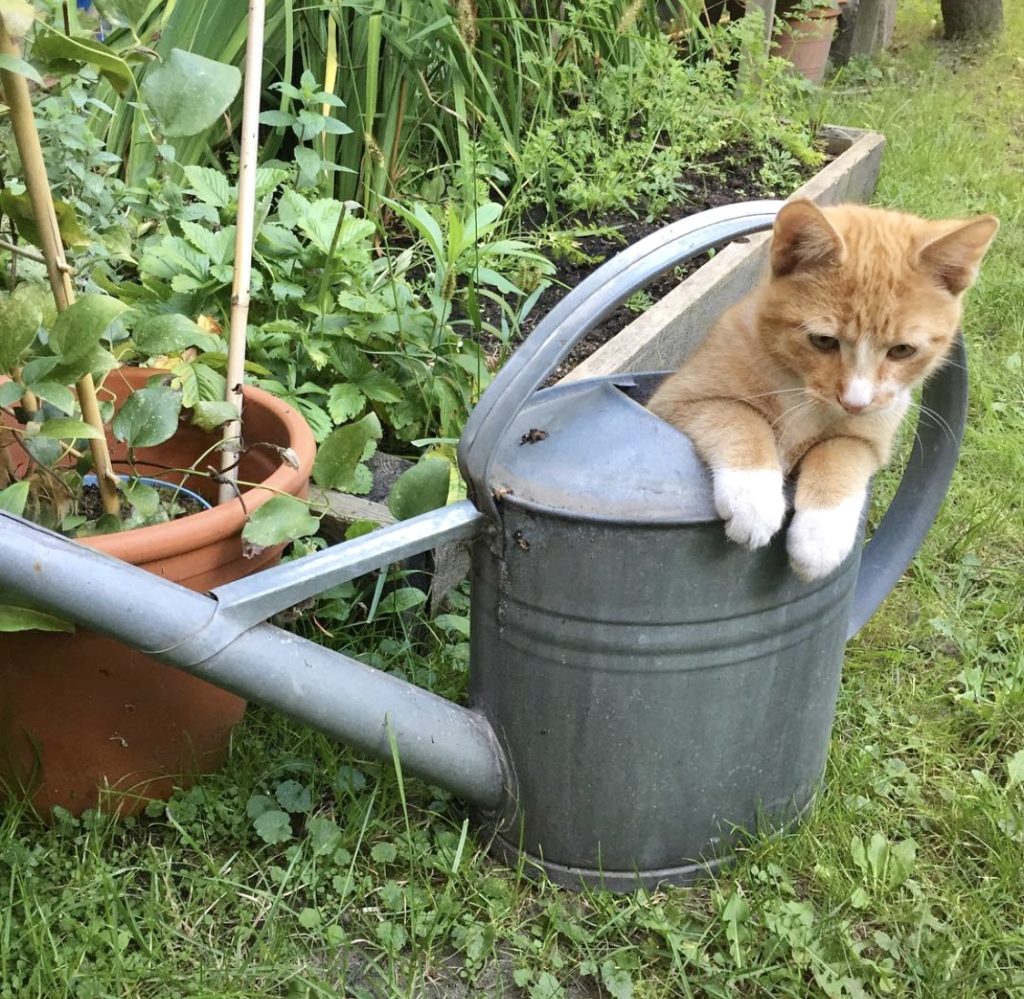
Photo courtesy of gosia_kozlowska -
Have a Seat: Garden Bench Inspiration
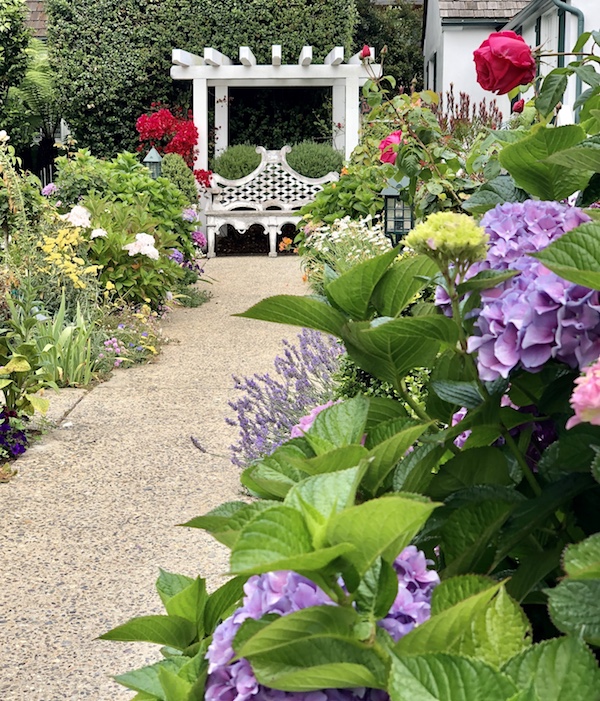
A lovely bench topped by a pergola at Lincoln Green Inn in Carmel-by-the-Sea. Benches are the perfect accessory for any garden. They offer a place to relax, enjoy the flowers, dream, read, and watch the birds & butterflies. There is nothing better than having a comfy garden bench on which to rest after a hard day’s gardening. They can also add style, grace, and character to your outdoor space.
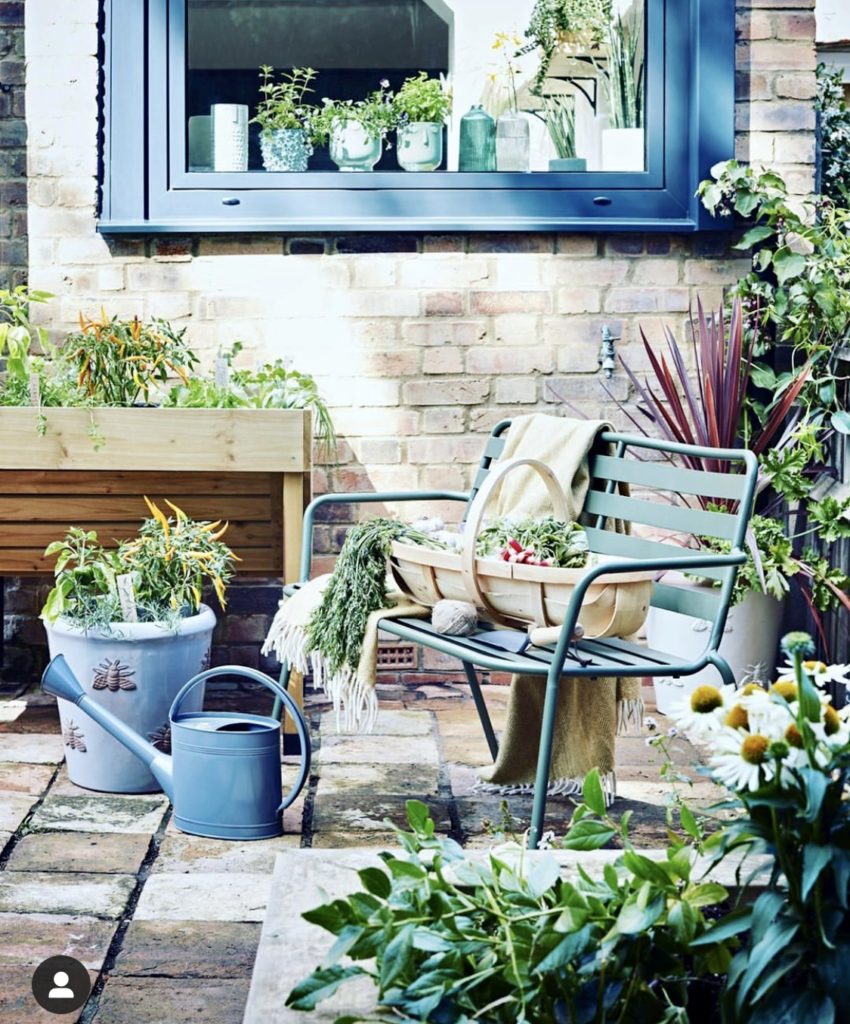
Photo courtesy of @selinalake Garden benches come in a wide variety of materials, the most common are wood, metal, concrete and stone.
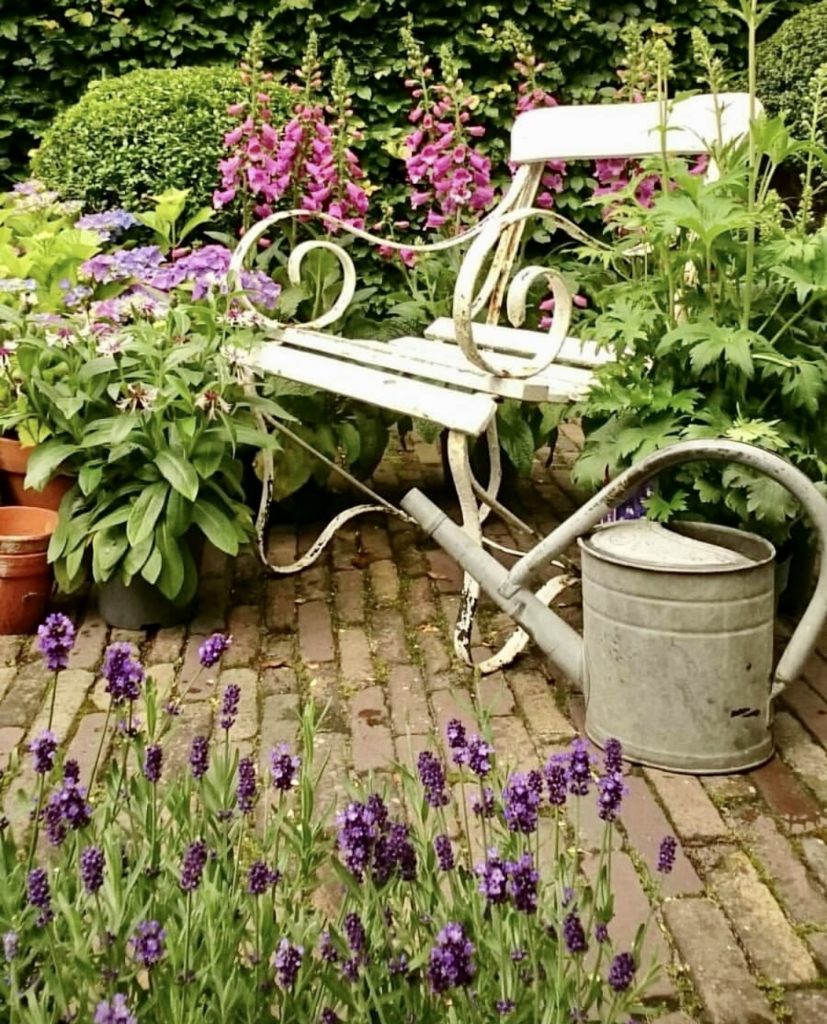
Photo courtesy of @country.chique Natural wood is one of the most common materials used in garden benches. While it can be susceptible to weather damage and pests, it is easily protected with paint, oil or varnish. In colder climates, covering it over the winter will also help improve its lifespan. Regular cleaning of wood benches is also important to help preserve them. For more information see protecting wood benches.
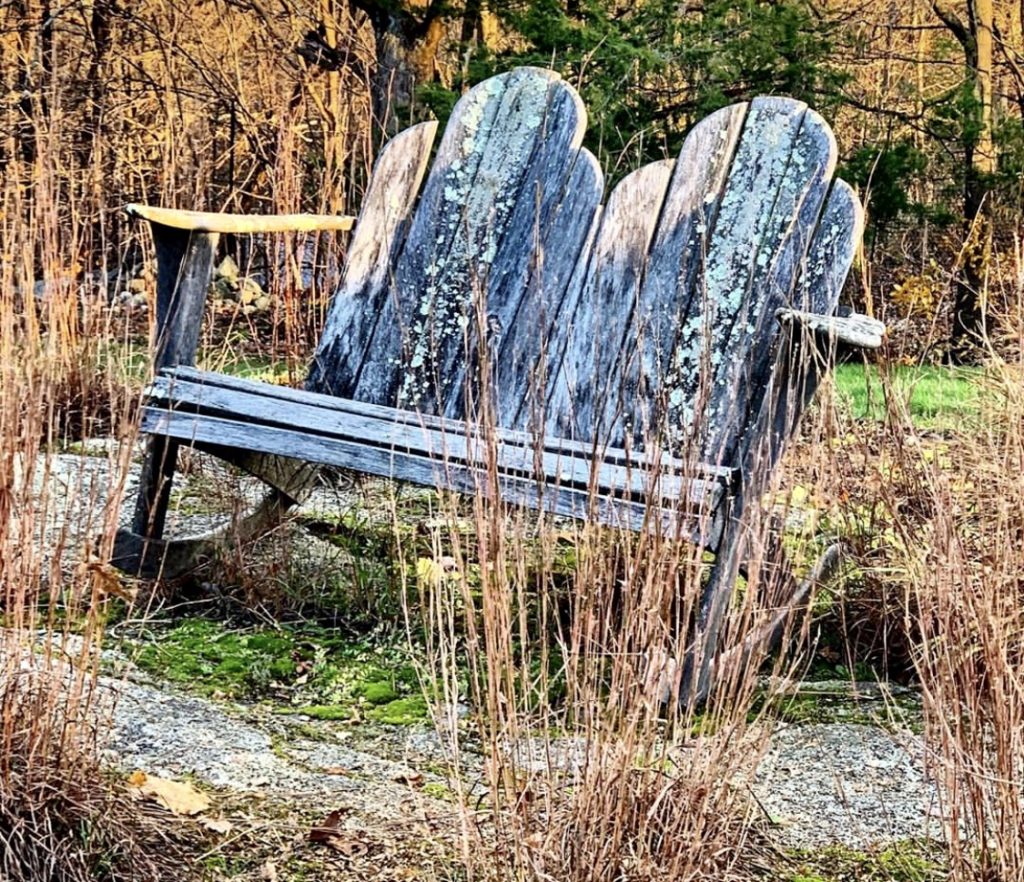
For those who like the look of weathered wood, you can forgo maintenance and let nature take its course. Photo courtesy of @pixieperennials 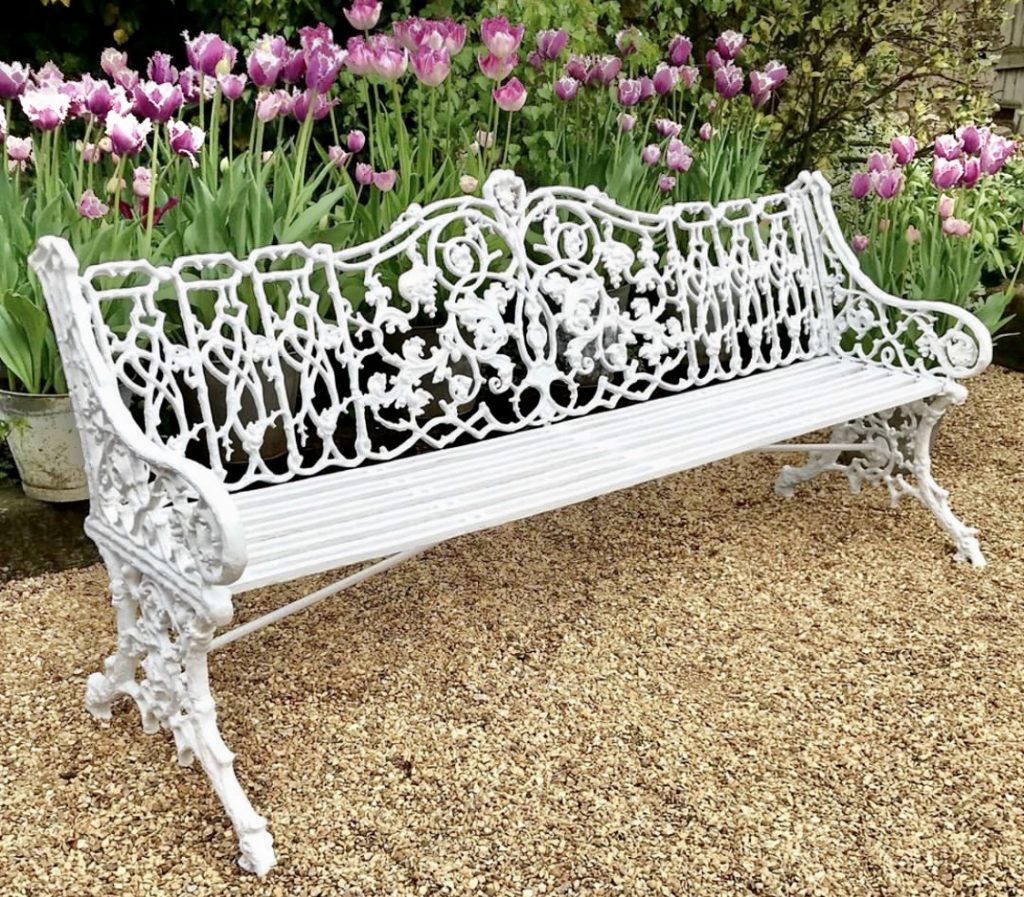
Photo courtesy of @thompsonsgardenemporium Metal benches are often made of steel, cast iron, or aluminum. Metal benches are often fantastically ornate. Many vintage and antique benches are metal. Metal benches require paint and protective sealants to prevent rusting. Like wood benches, they also require regular cleaning to remove accumulated dirt and grime that may deteriorate the finish. They also require covering or storing indoors in colder climates during the winter season. For more information on protecting metal benches, see protecting metal benches
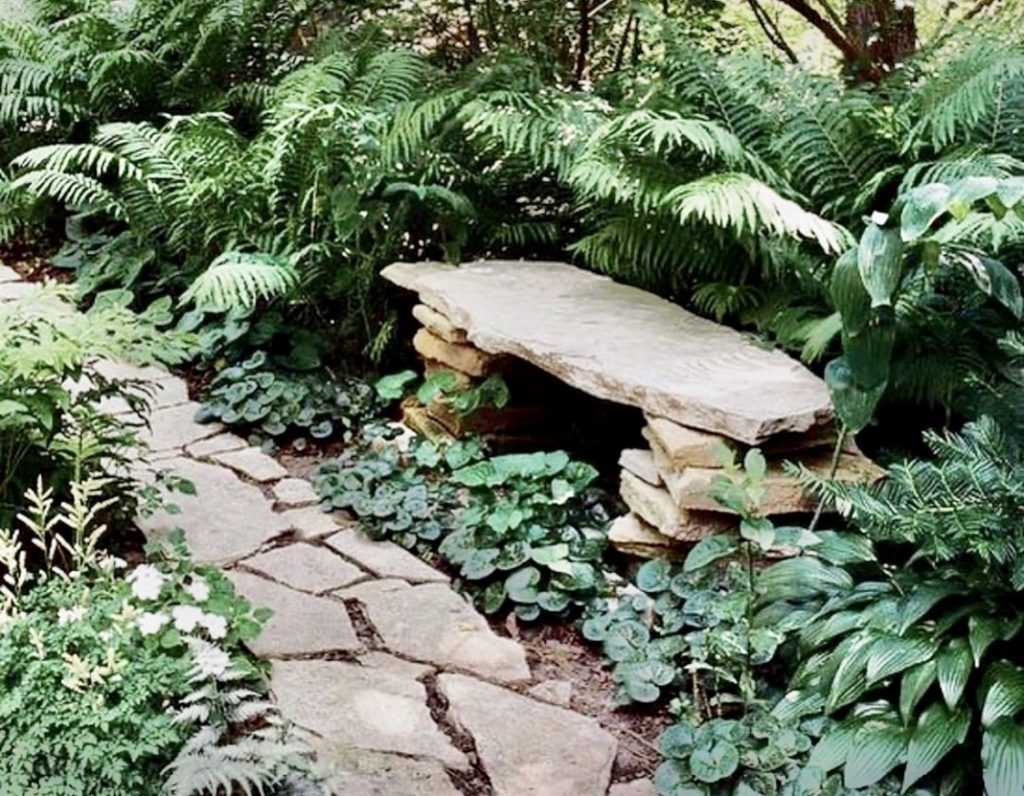
Photo courtesy of @homecompanion Stone and concrete benches add a natural touch and have exceptional longevity. A big plus is they require virtually no maintenance.
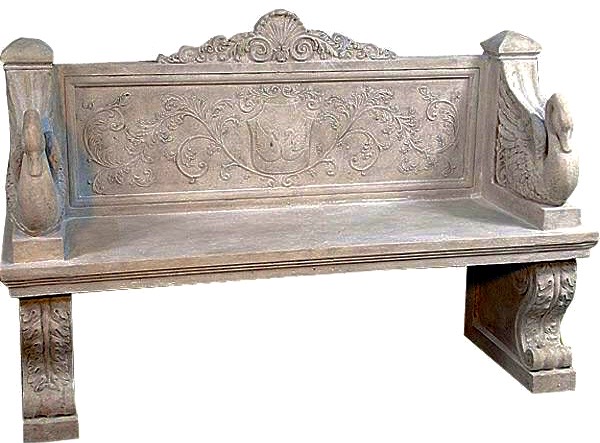
Stone swan bench available at tuscanbasins.com Garden benches can add a focal point to your garden. They also provide a place to spend time with friends and family and enjoy an intimate conversation within the garden.
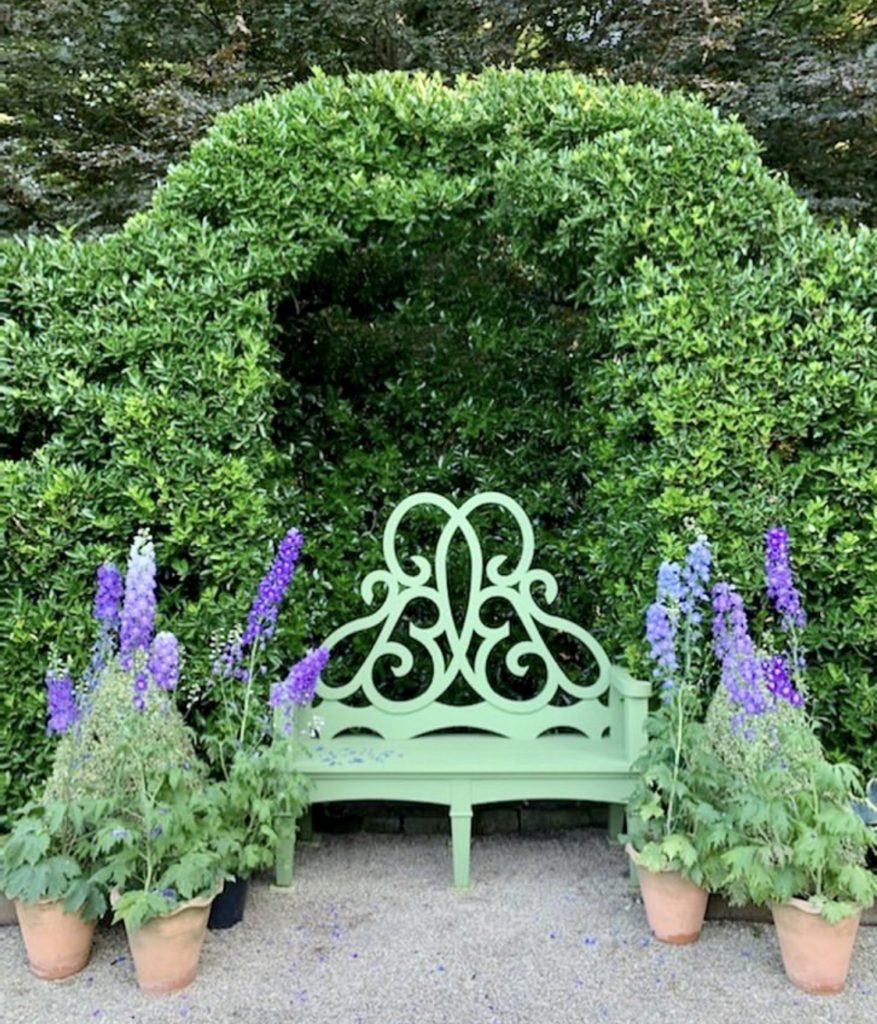
Photo courtesy of @privatenewport 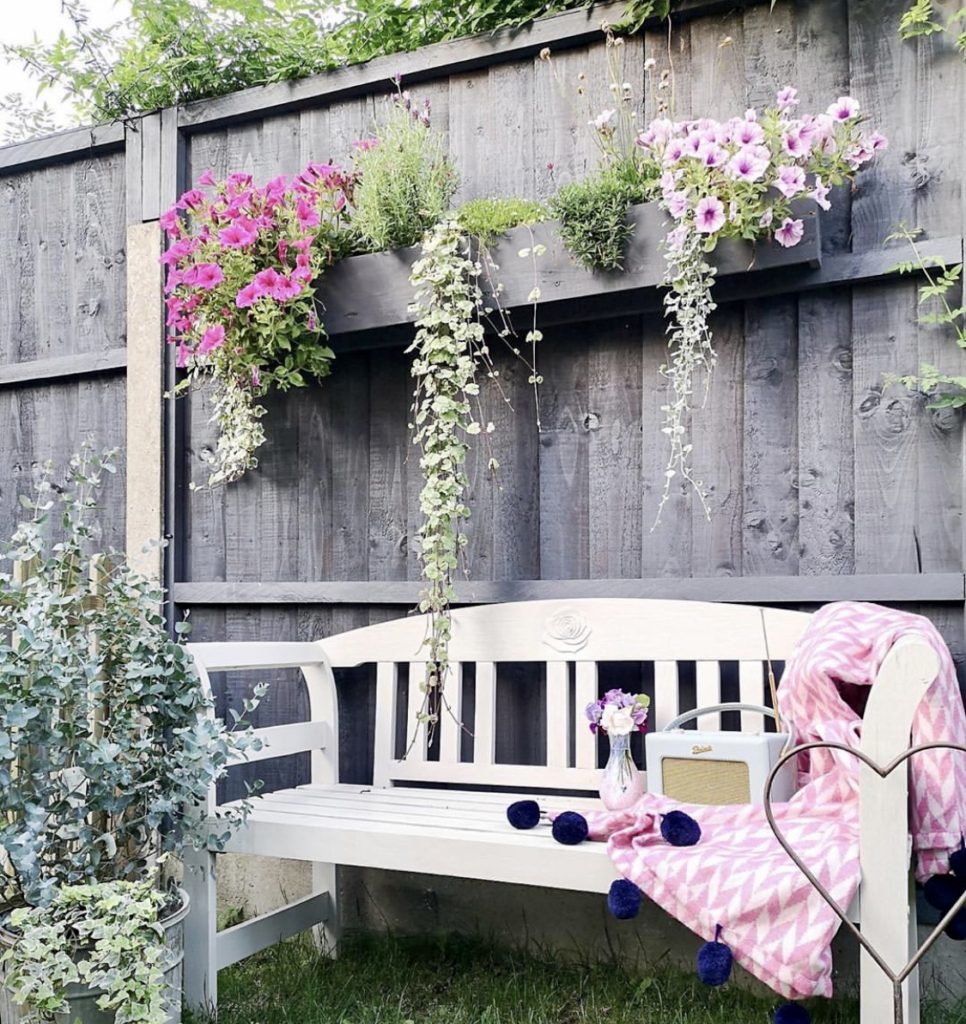
Photo courtesy of @ourlittleflintcottage You can add personality to your garden by adding a splash of color. A kaleidoscope of garden benches are available for sale online as well as in brick & mortar stores, or you can paint your own!
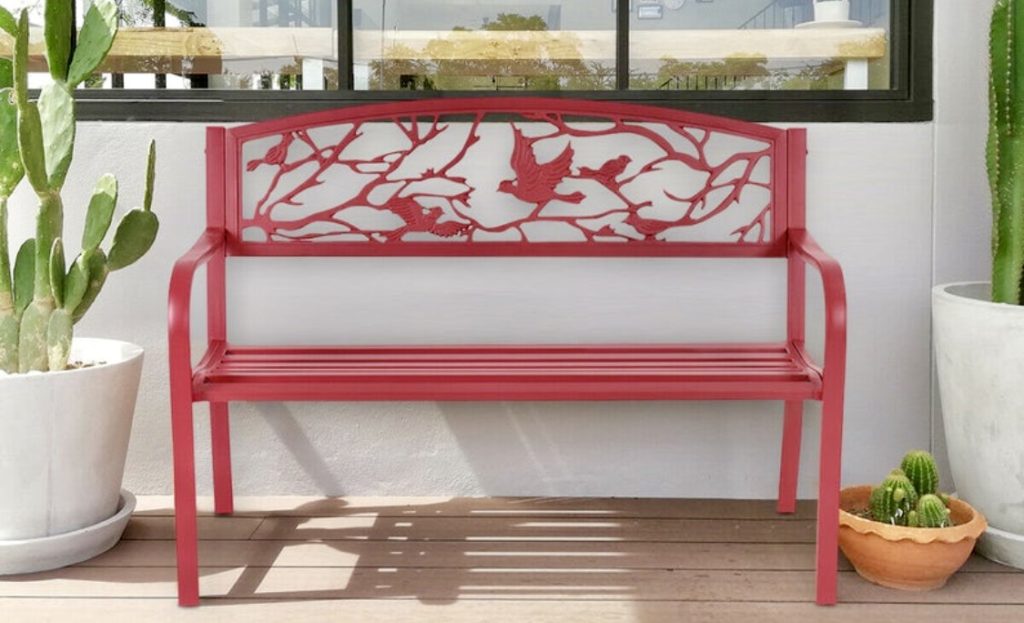
Bold red bird bench available on Etsy.com 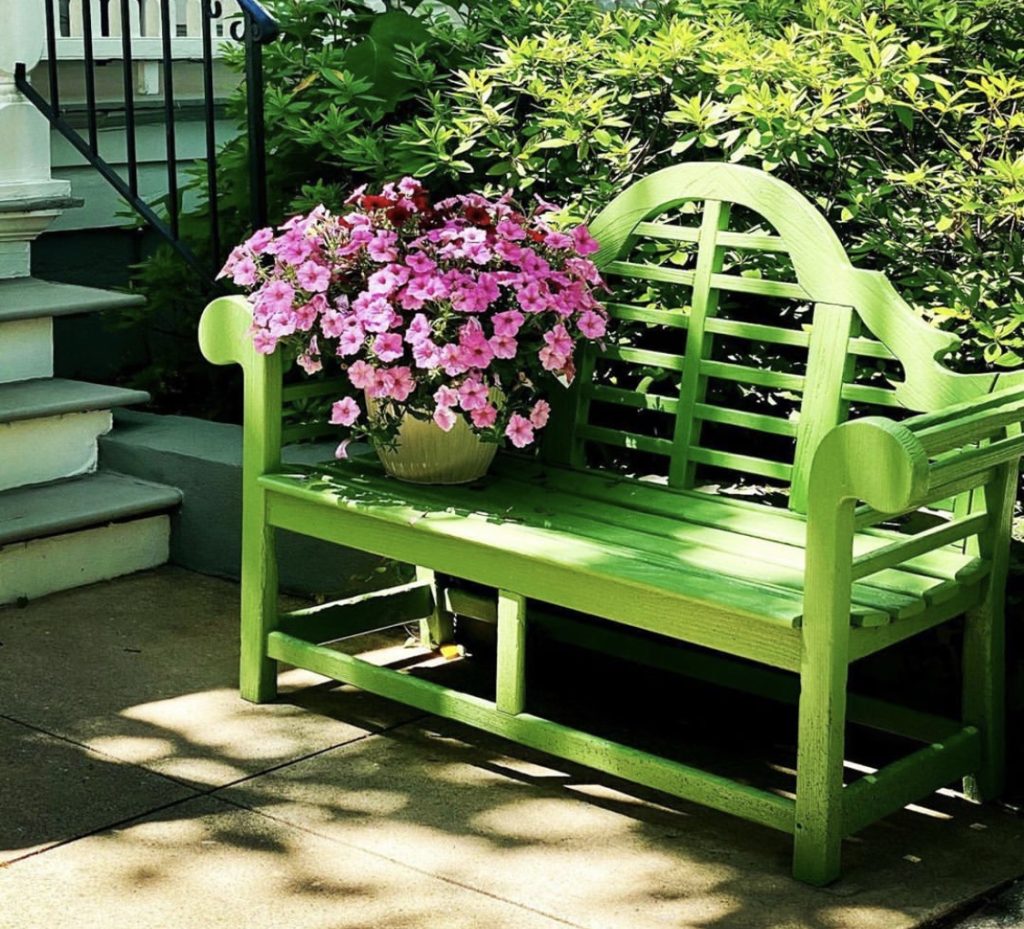
Traditional Lutyens bench painted a happy shade of green. Photo courtesy of @asnipofgoodness Creative folks can repurpose items and invent their own unique garden benches.
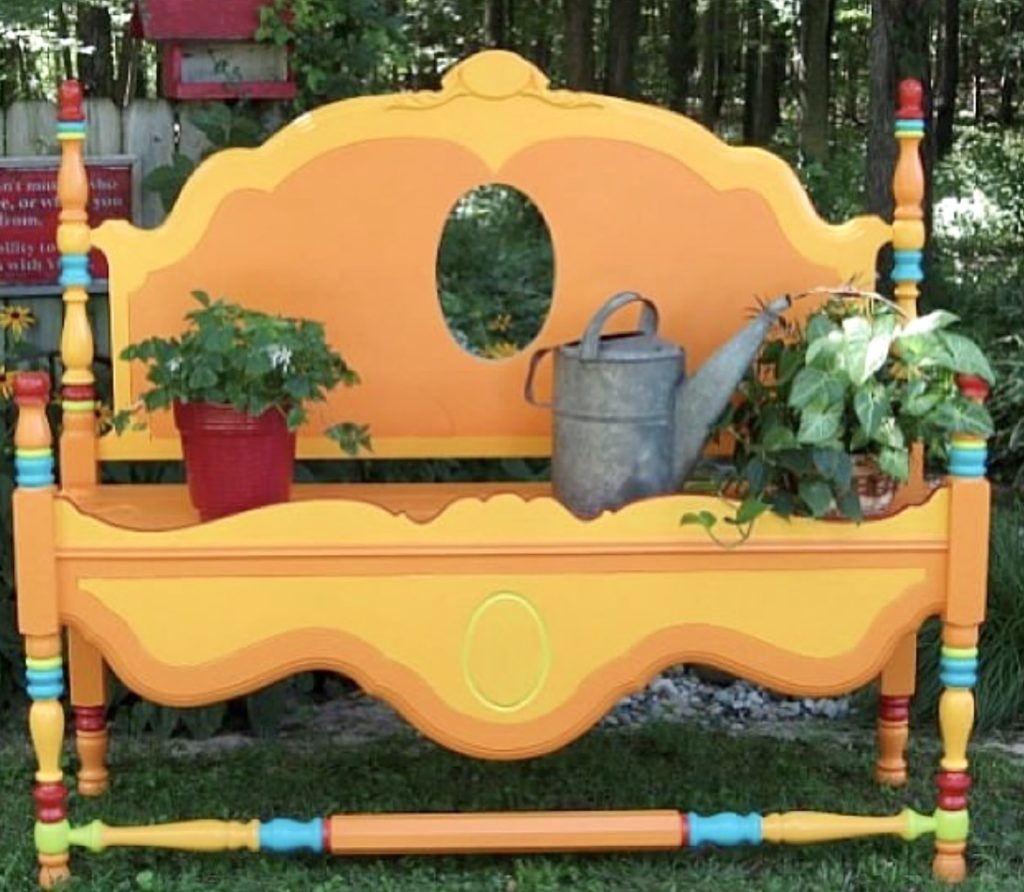
Garden bench repurposed from a vintage bed. Photo courtesy of @home_decoranddesign 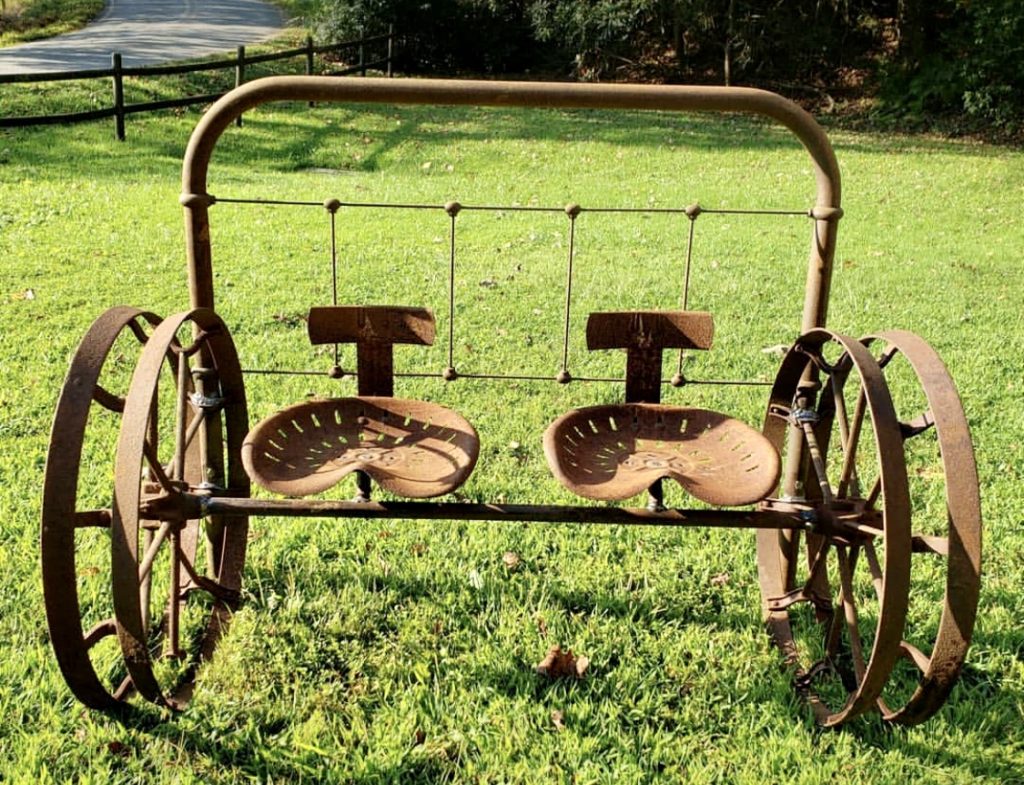
Garden bench constructed from old farm wheels and tractor seats. Photo courtesy of @rusticremakes You may want your garden bench prominently displayed, or tucked secretively away where you can hide from the cares of the world with a cup of tea (or glass of wine) and your favorite book.
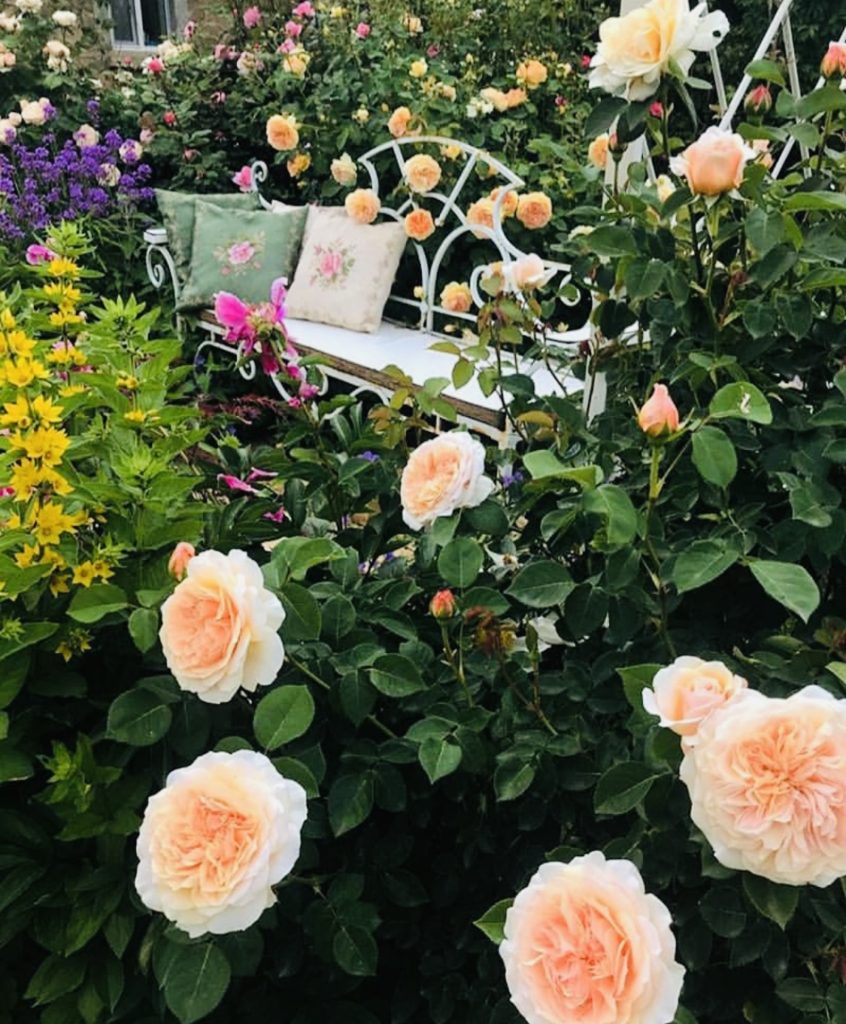
Photo courtesy of @gardens_and_architecture I love roofed benches, which provide a refuge from both raindrops and hot sun in the garden.
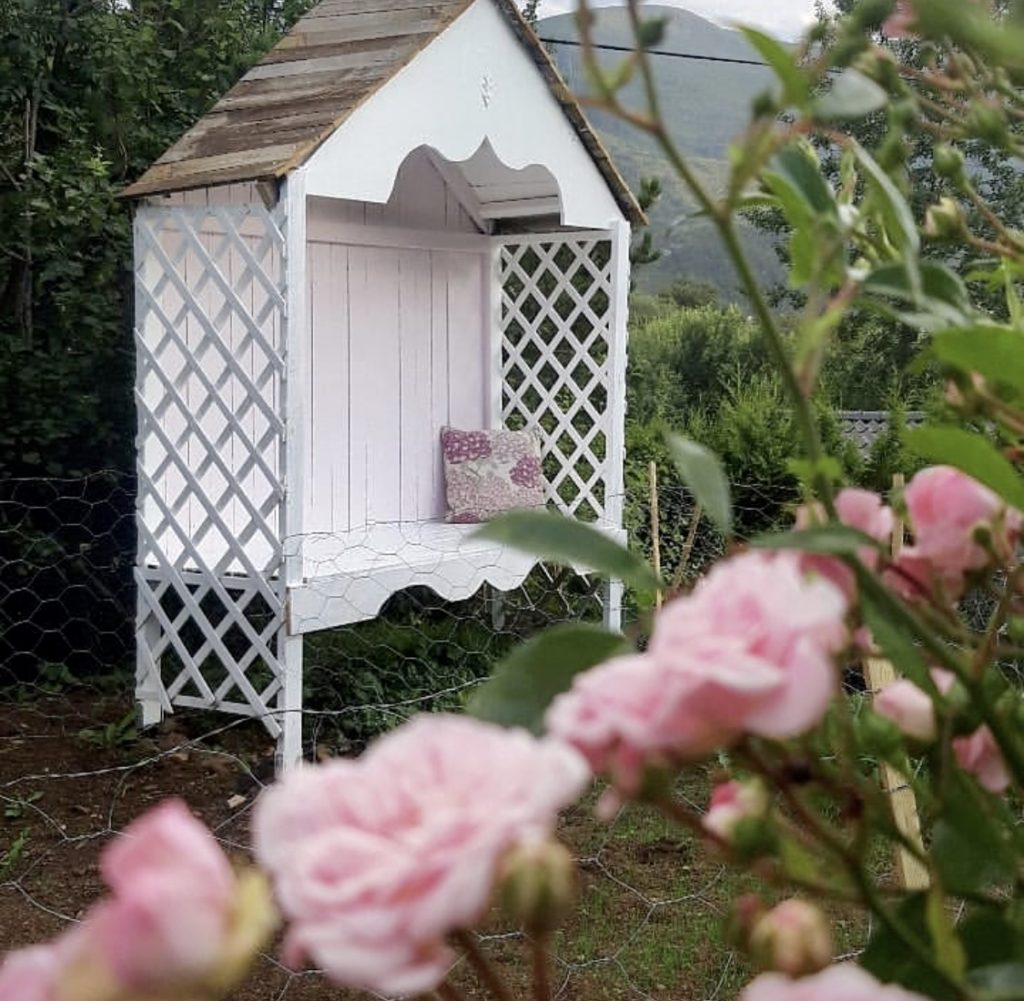
Photo courtesy of @sammensuriumet 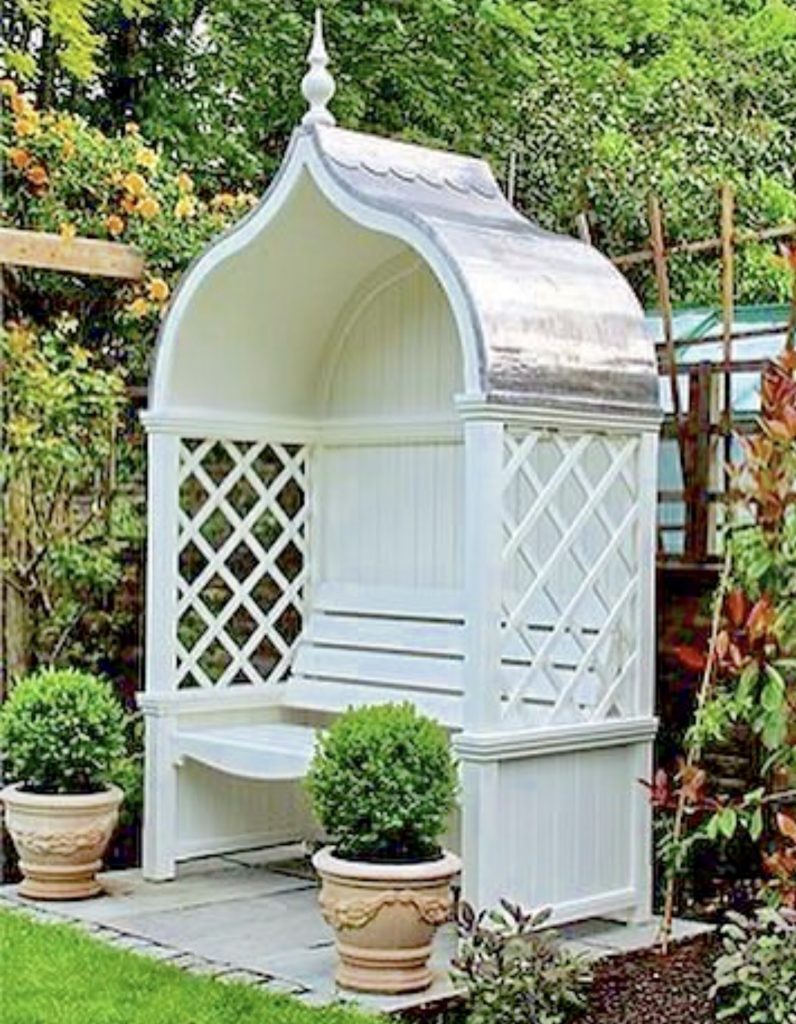
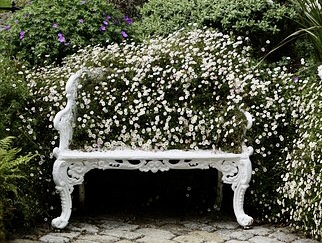
Just remember that in any garden, flowers gone wild can gobble up anything, even your garden bench! Make sure to trim those errant ramblers or you may lose your favorite seat!
Thank you for visiting my blog! I hope you found some garden bench inspiration! If you enjoyed this post, you may also like my other gardening posts including The Secret Gardens of Historic Monterey, The Garden Gate Story: Inspiration from Carmel-by-the-Sea, Magical & Enchanting Gardens of Carmel-by-the-Sea, Charming & Romantic Window Boxes, and Add Charm to your Garden with Beautiful Birdhouses!
Wishing you peace, love, happiness, and beautiful vistas!
-
Add Charm to your Garden with Beautiful Birdhouses!
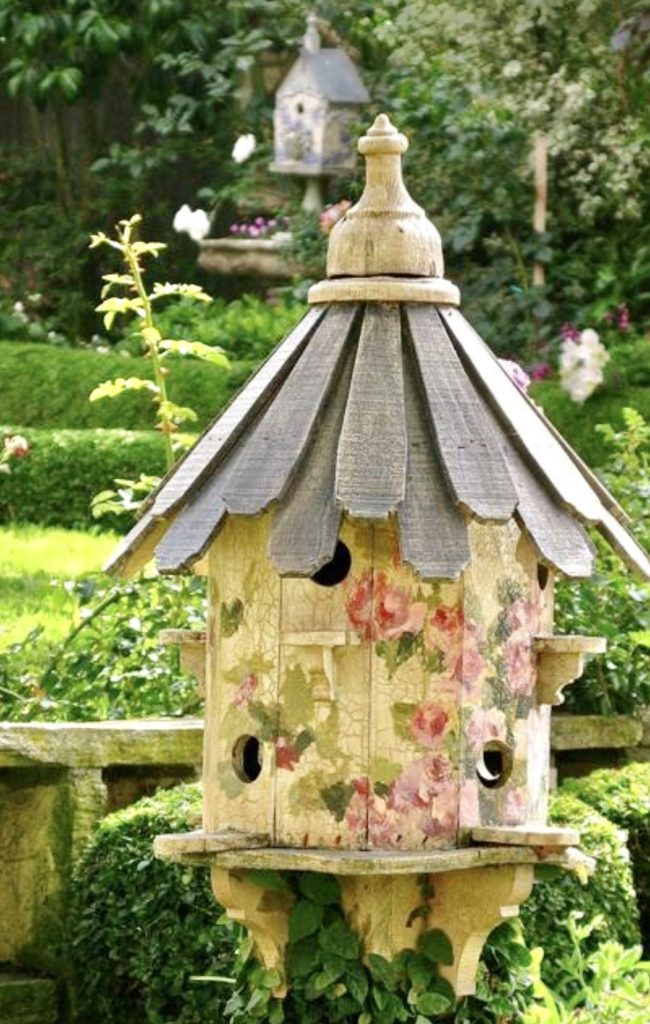
Your garden may feature the usual things: beautiful flowers and shrubs, arbors, pergolas, gates, chairs and tables, but have you thought about adding a birdhouse or two? Birdhouses not only add charm to your outdoor living space but housing birds creates endless benefits and can be immensely rewarding. Birds are wonderful companions to a garden, providing song and beauty as well as eating troublesome insects. Bird watching from your home or garden is also a relaxing and fun activity. It is a wonderful sight to behold birds building their nests and raising their babies.
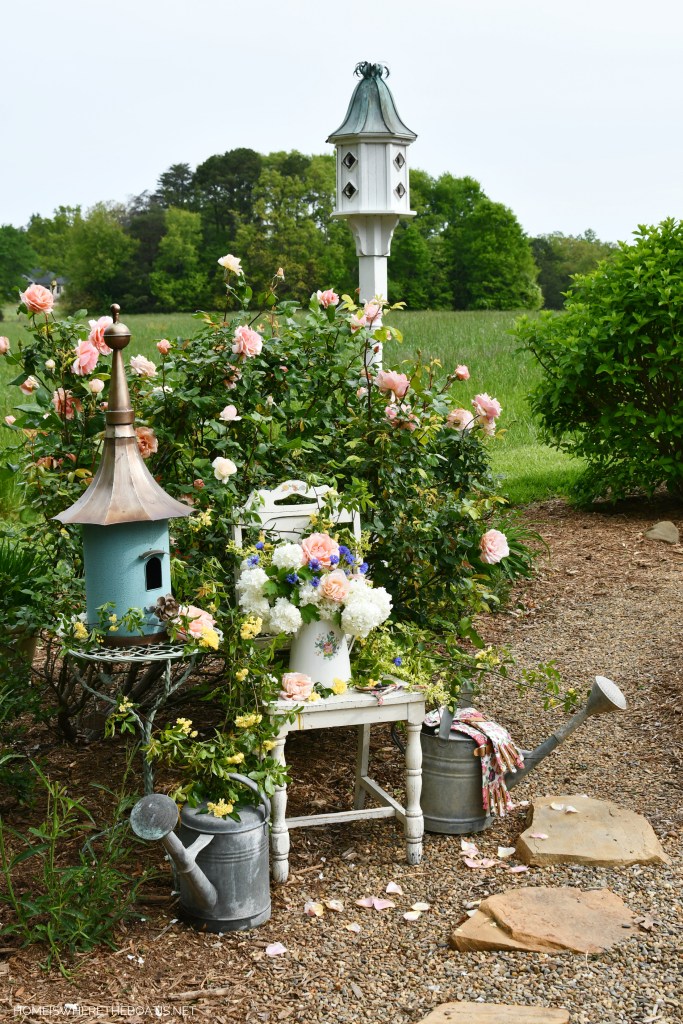
Photo courtesy of homeiswheretheboatis.net 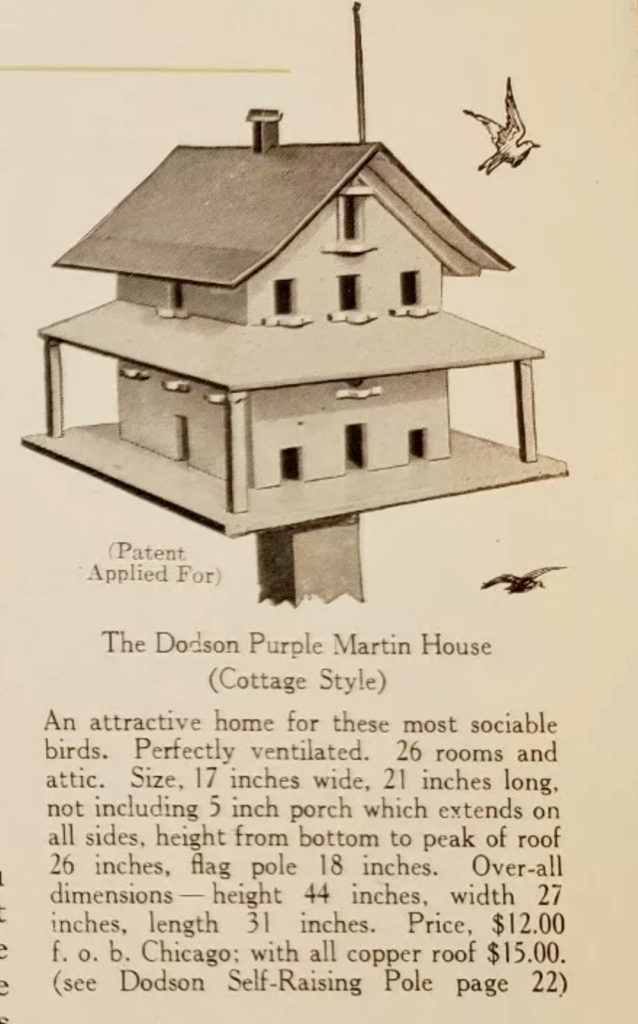
An early 1900s advertisement depicts a quaint birdhouse. Birdhouses have been around for hundreds of years. They come in all shapes and sizes, from purple martin mansions to tiny wren cottages. As birdhouses became increasingly popular, companies evolved solely for the business of building specialty bird abodes.
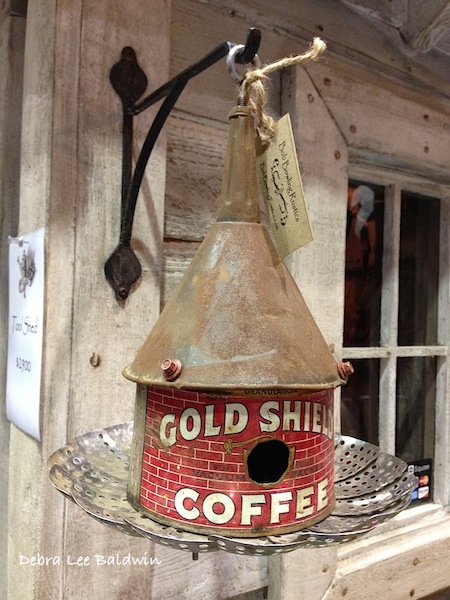
Photo courtesy of gardeninggonewild.com Today, there are a wide variety of wonderful birdhouses available. If you are handy with tools and equipment you can make them yourself. If not, it is very easy and convenient to purchase unfinished wooden birdhouses and paint them in the colors of your choice. Birdhouses offer a great opportunity to be creative and use your imagination. If you don’t have the time or inclination to pursue this endeavor, there are many beautiful birdhouses available for sale, many hand-made by talented artisans. The following are some of my favorites.
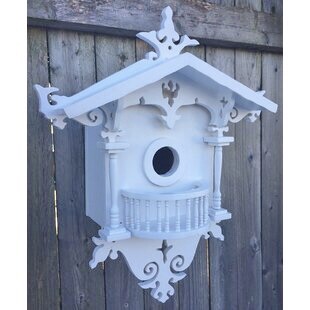
Victorian style birdhouse from wayfair.com If fancy isn’t your style, you can always repurpose. Thank outside the box, or perhaps the thermos!
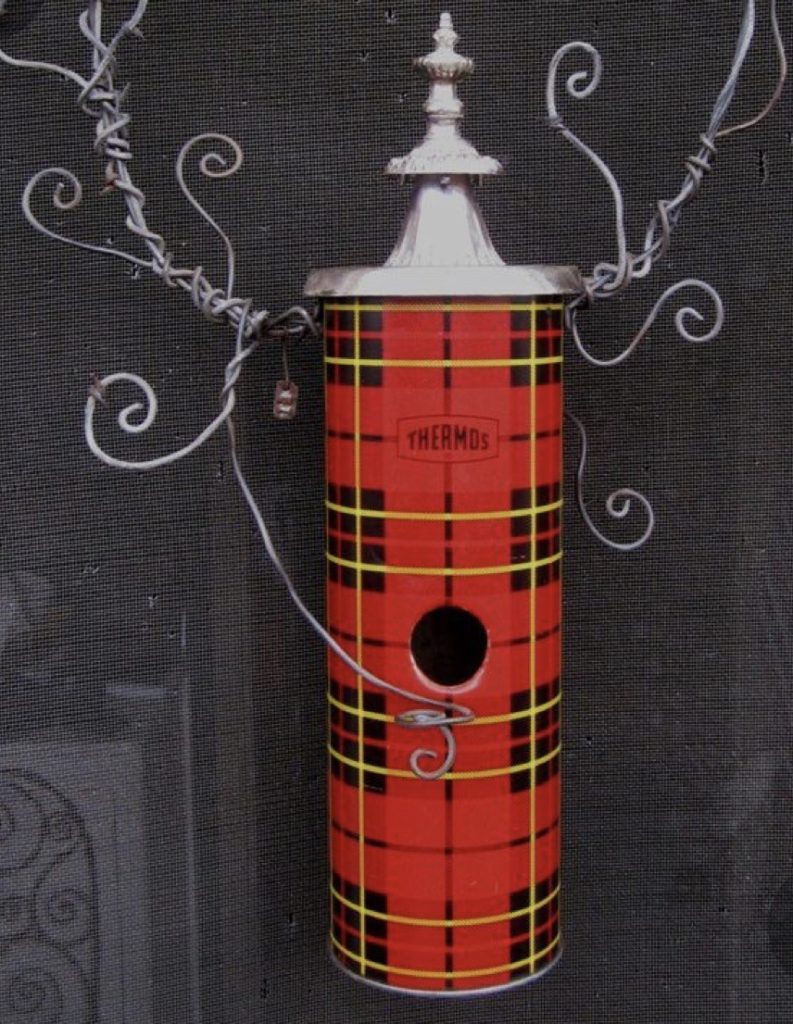
Thermos birdhouse from Etsy.com Rustic birdhouses add farmhouse flair to any garden.
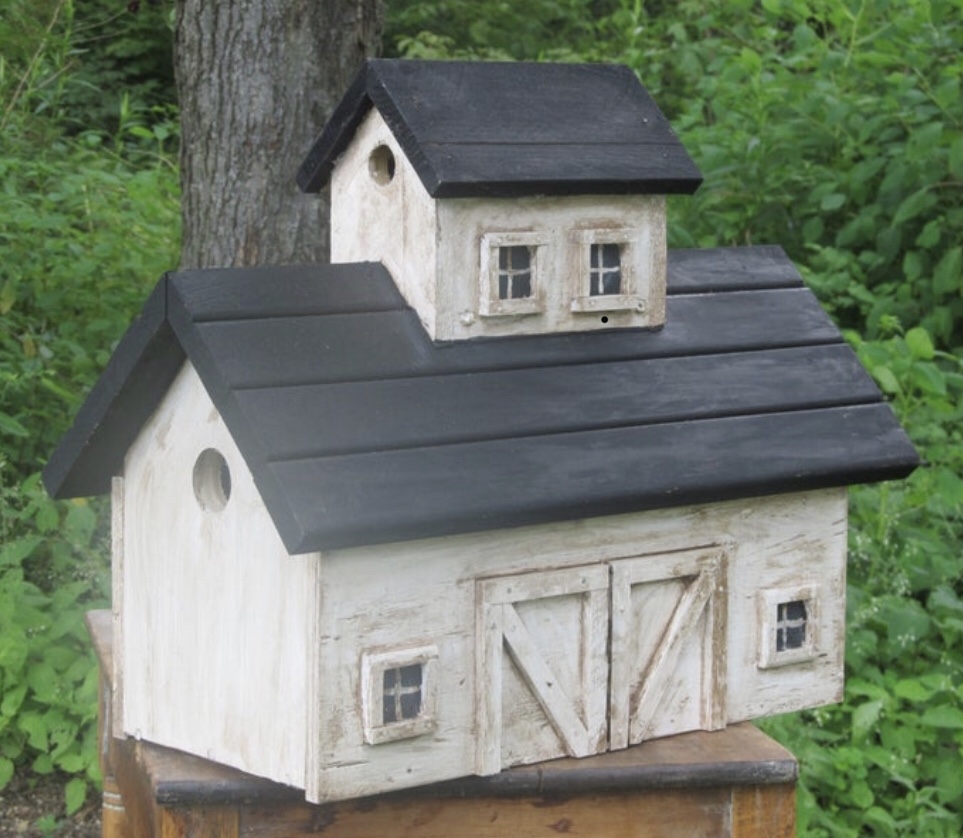
Birds can have their own barn and never have to share with cows or horses, from Etsy.com 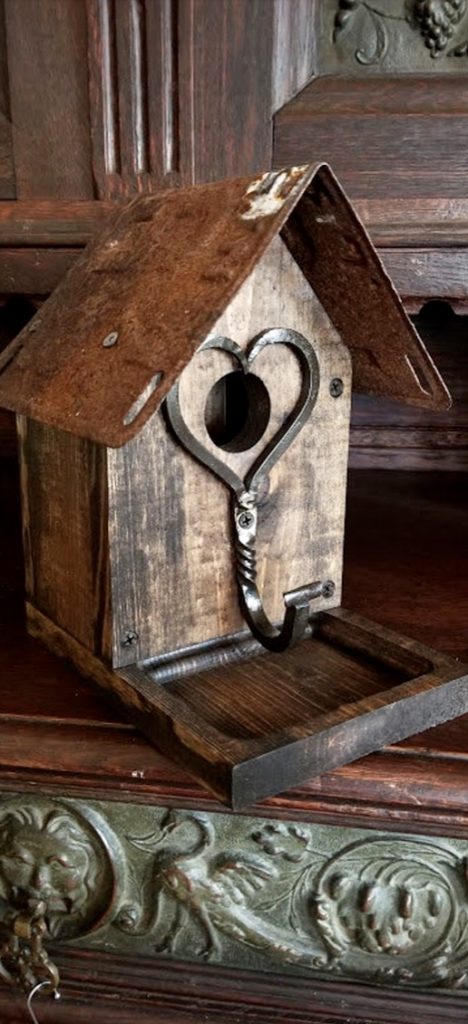
A rusty license plate roof adds shabby chic to this sweet cottage birdhouse from Etsy.com Sometimes it’s nice to incorporate natural elements into your birdhouse.
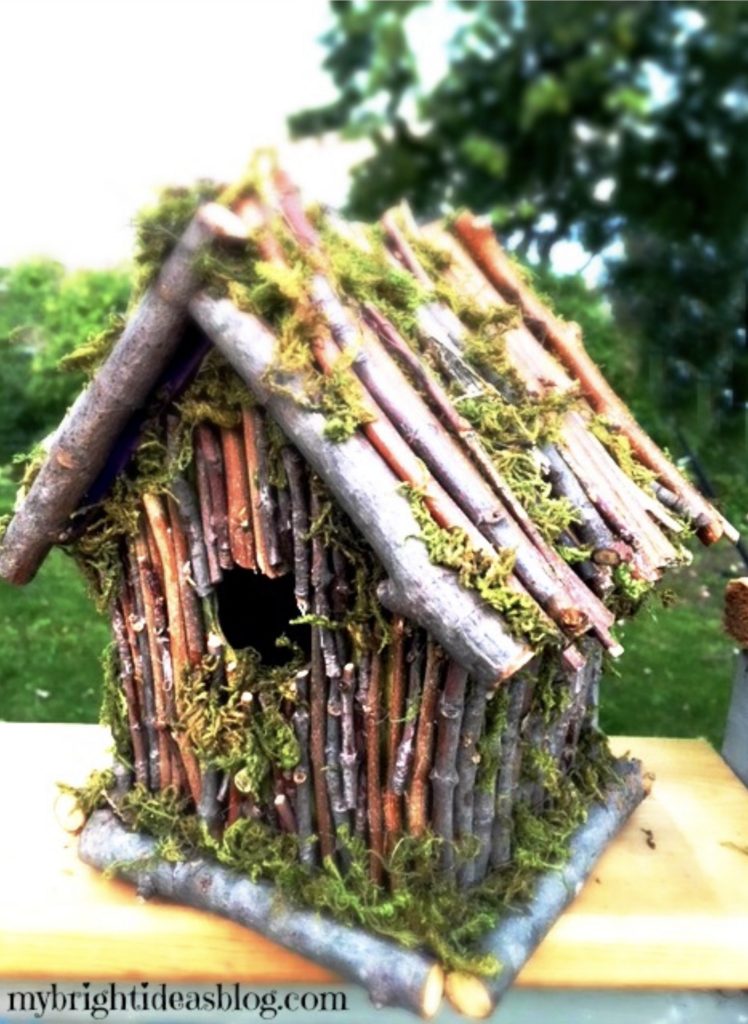
Twigs & moss make for one cozy birdhouse. Photo courtesy of mybrightideasblog.com 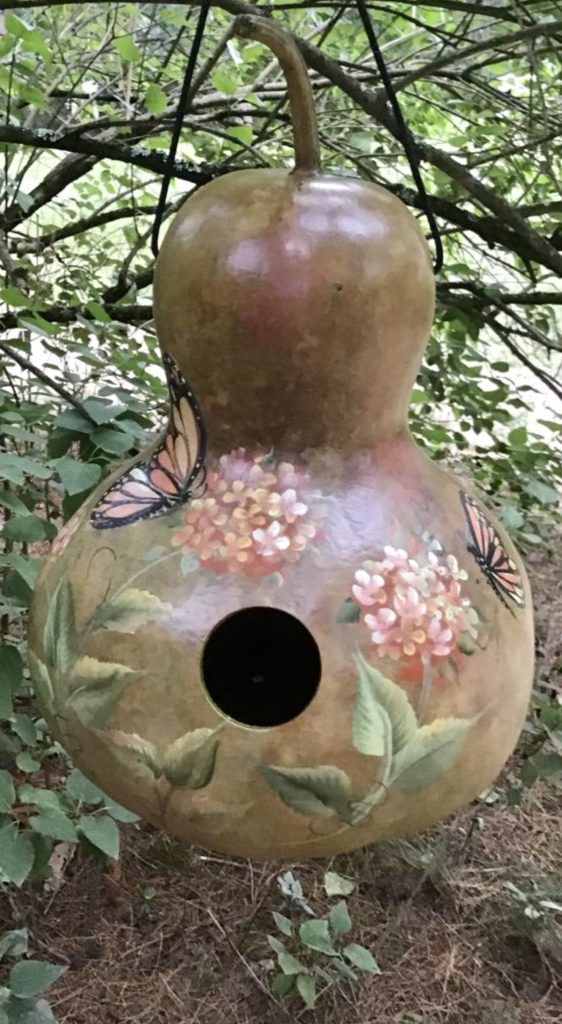
Butterflies & hydrangeas decorate this gourd birdhouse from Etsy.com I find myself drawn to the dreamy, hand-painted ones by artist Debbi Coules. Delicate pink roses on a soft white background make these birdhouses perfect for a cottage garden.
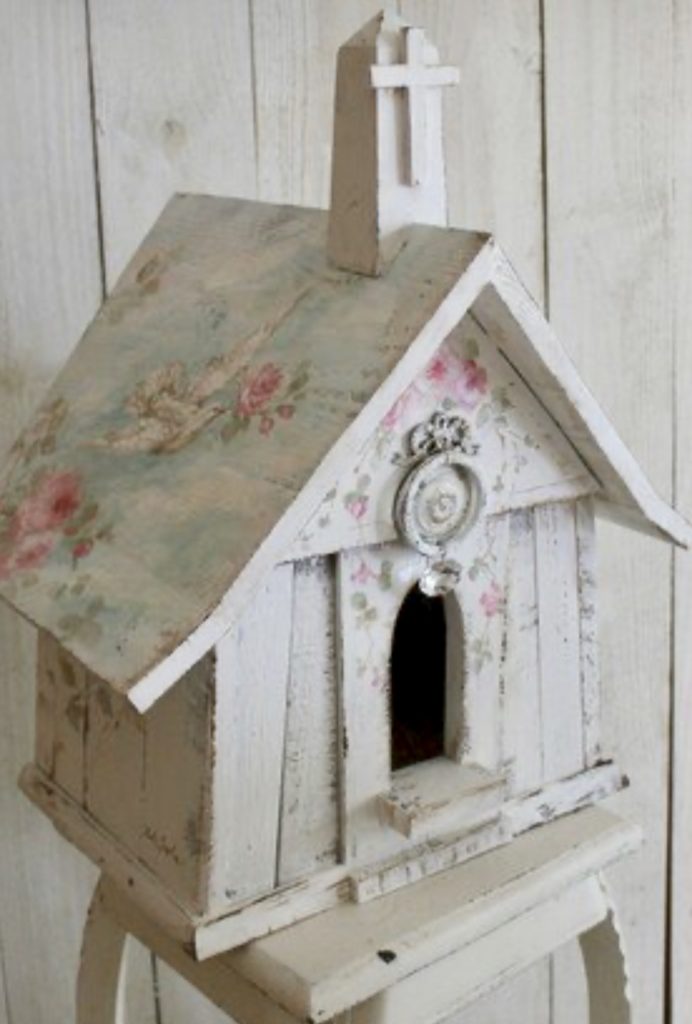
This chapel of love is perfect for a pair of lovebirds, from debicoules.com 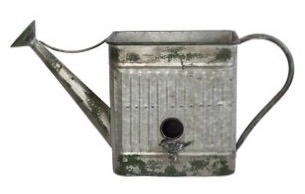
Cute & fun watering can birdhouse from wayfair.com If your heart beats for the red, white and blue, you may be enticed by a patriotic birdhouse.
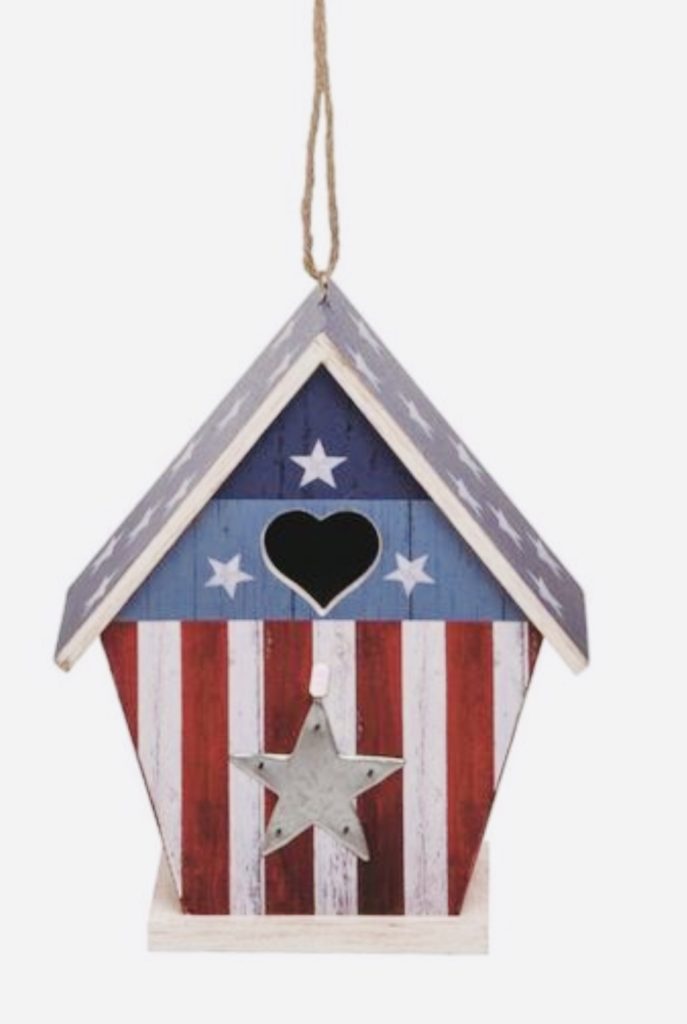
Star-spangled birdhouse from target.com No matter your style, if you can’t find it, you can create it.
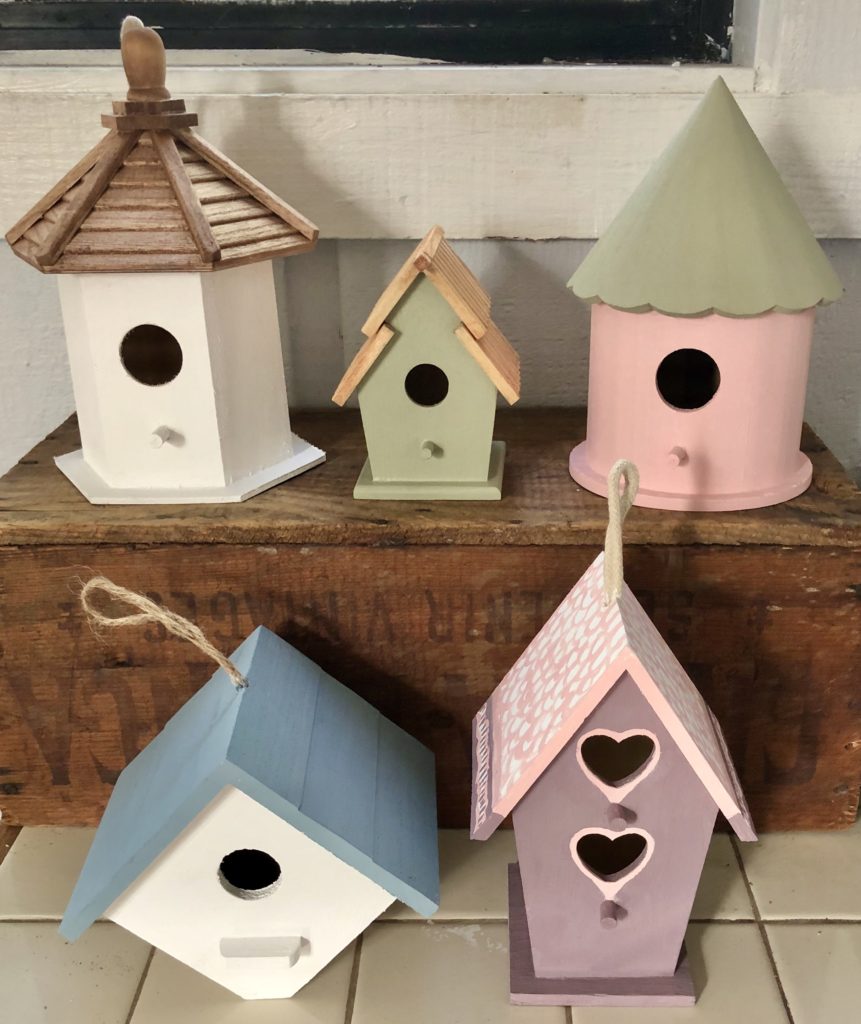
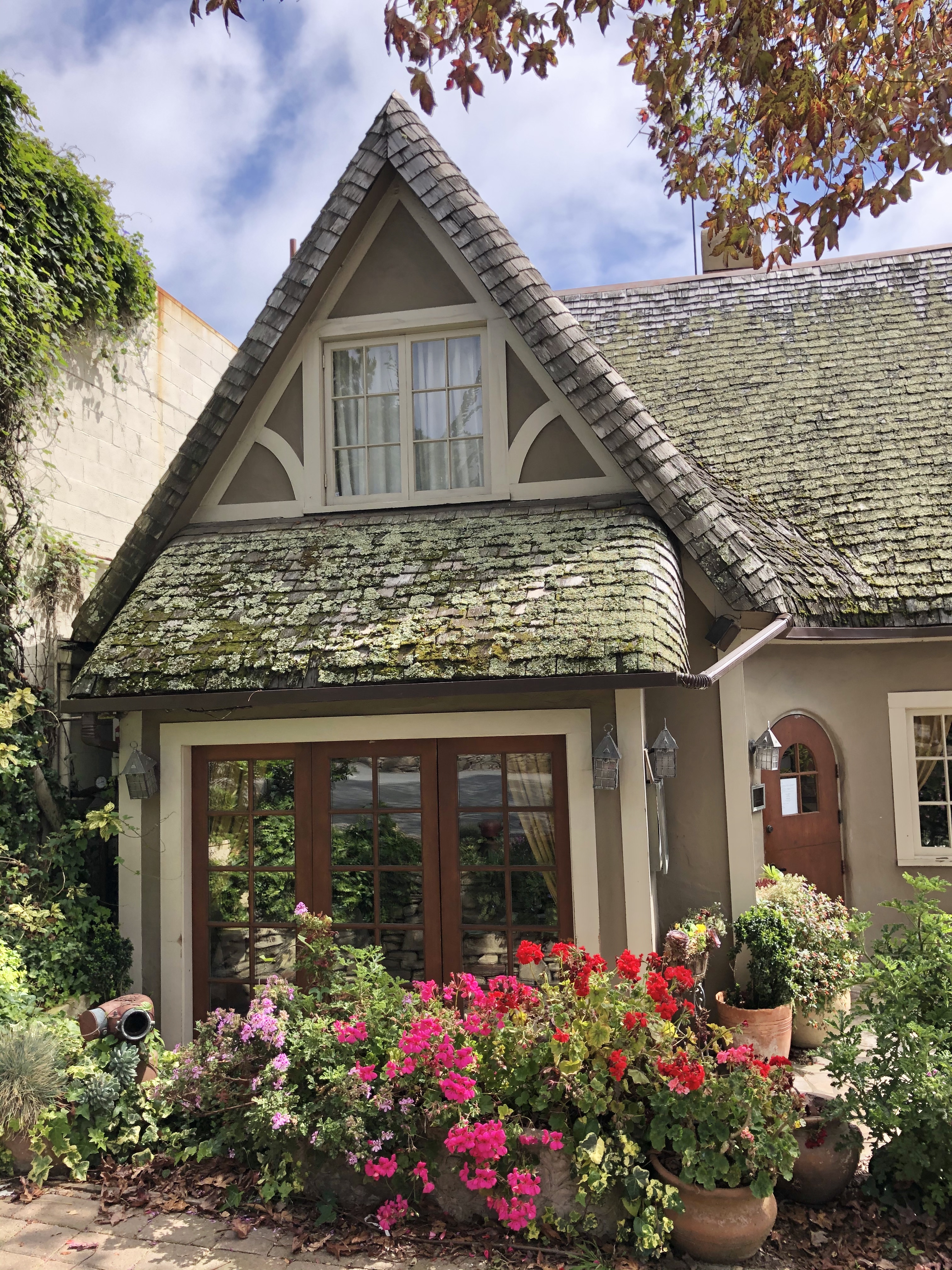
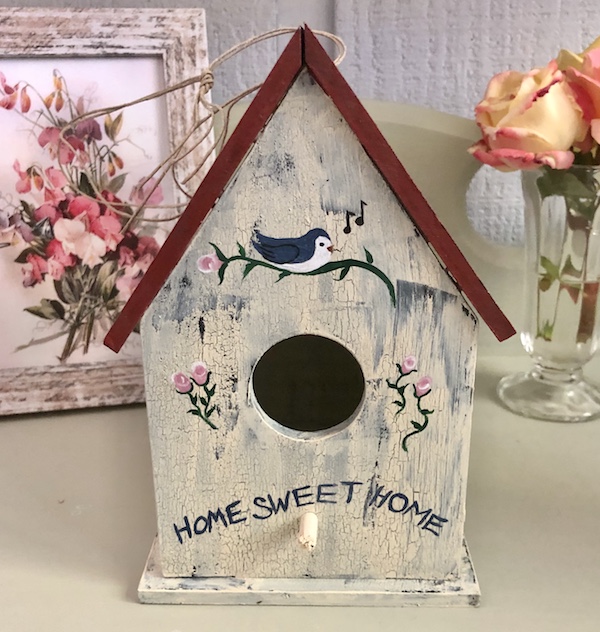
Unfinished craft store wooden birdhouses I repainted/stained. Birdhouses also make wonderful gifts. I was delighted to open a present from my Mom on my birthday and discover this cutie.
I hope you found some birdhouse inspiration on my blog. Thank you for visiting! Wishing you peace, love, happiness, and beautiful vistas!
-
Picket Fences by the Seaside: Victorian Homes in PG
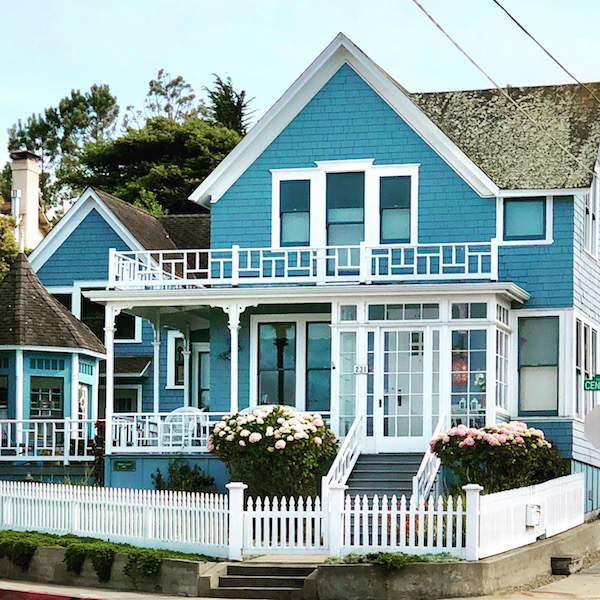
The seaside town of Pacific Grove, California is full of cute Victorian homes with white picket fences. Many of these homes are just steps away from the beach and Lover’s Point.
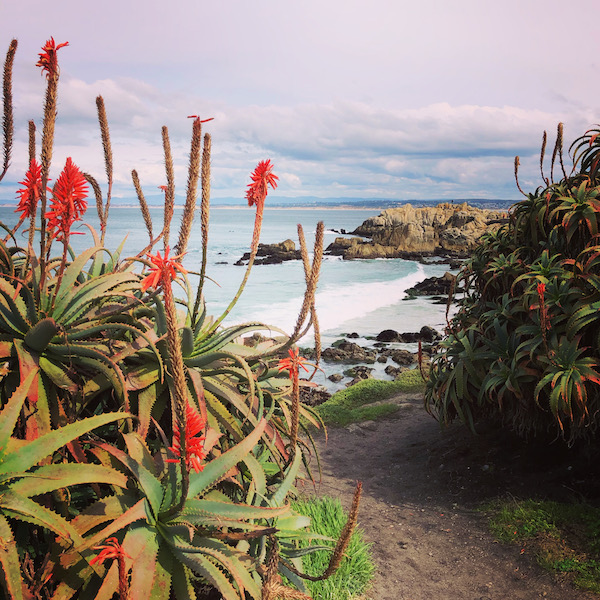
A view of Lover’s Point in Pacific Grove. What began in 1875 as a summer church camp has proliferated into what is now called “America’s Last Hometown”. It supposedly has more historical houses per capita than anywhere in California.
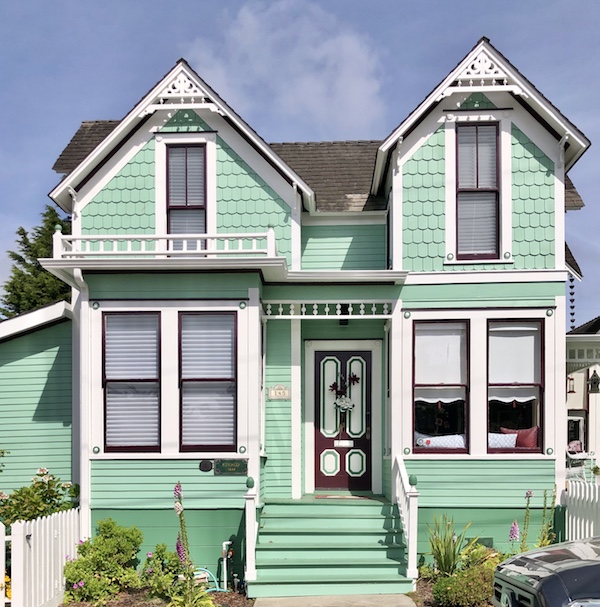
Pacific Grove, called “PG” by locals, has many interesting shops and restaurants, many located on or near the famous Lighthouse Avenue. I love all the ocean themed street names here. There is even a Mermaid Lane!
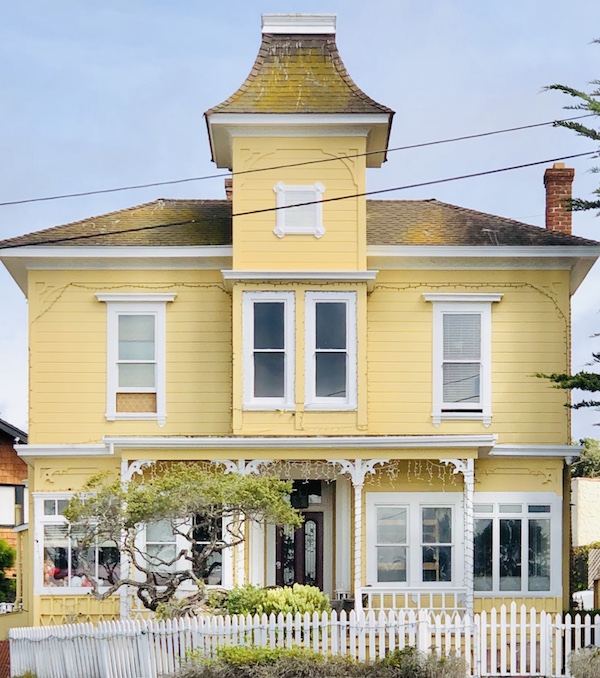
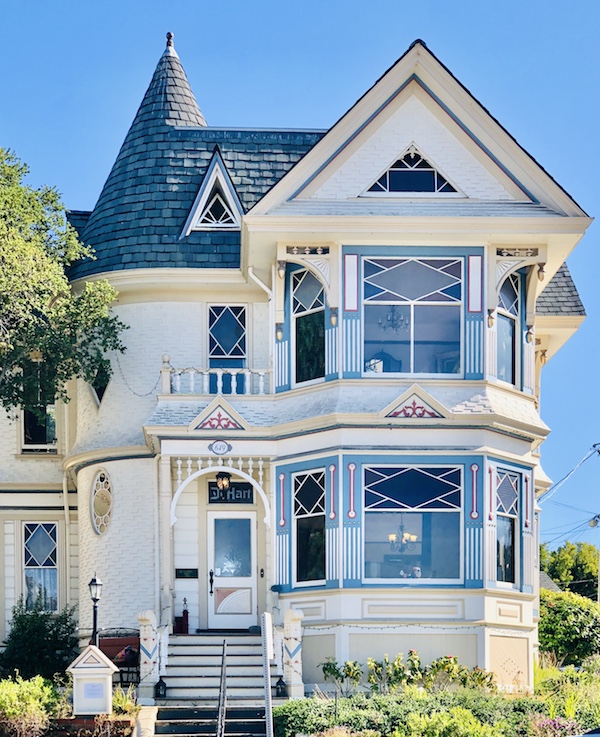
An interesting thing about Pacific Grove, or PG, is that it must have some of the tiniest Victorian cottages ever. You will see itsy bitsy identical twin and triplet cottages sitting next to each other. Some of them are so tiny, I can’t imagine even being able to have furniture inside! They remind me of little gingerbread doll houses.
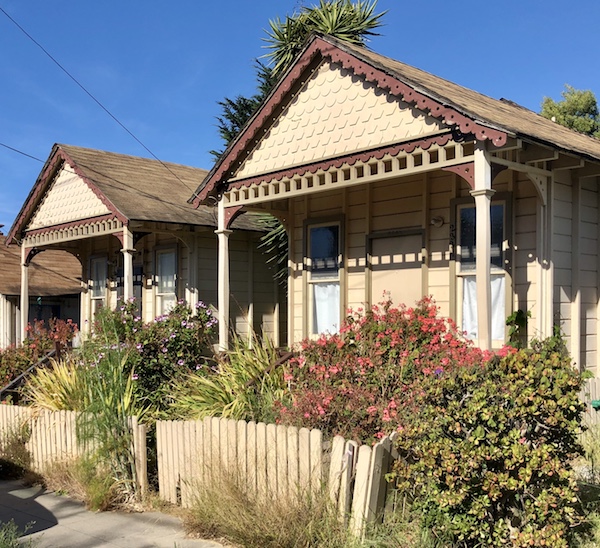
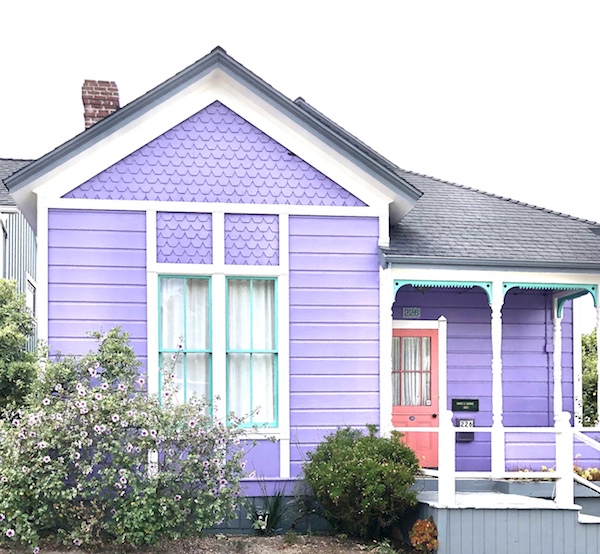
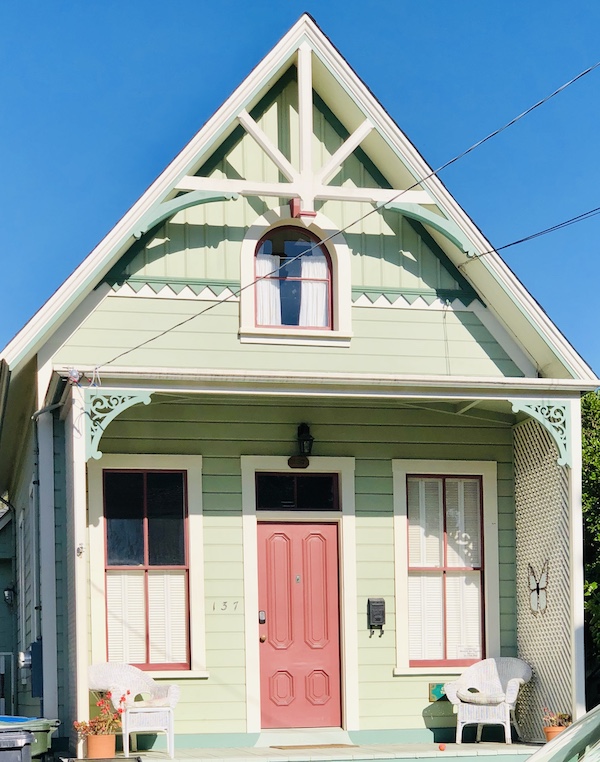
I really love the imaginative colors people have chosen for their Victorian homes here, and the flowers they have planted alongside them.
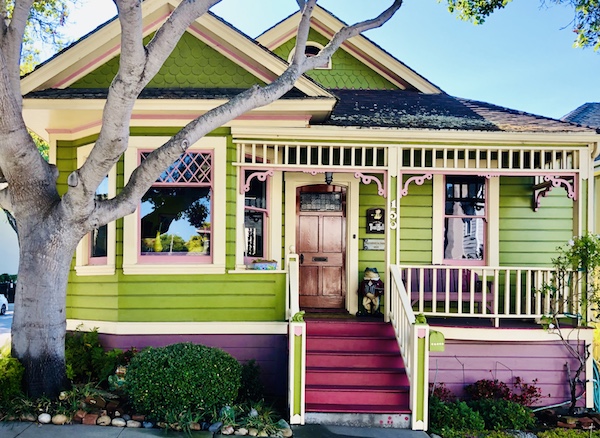
You may wonder why you see decorative butterflies everywhere here attached to homes, fences and in yards. The reason is that Pacific Grove is also known as “Butterfly Town” due to the thousands of monarch butterflies that overwinter here on the Monterey pines and eucalyptus trees. You can see them at the Monarch Grove Sanctuary from October through March. For more information see butterfly town.
Some of the larger Victorians have been converted into seaside hotels. My favorite is Green Gables Inn which has nothing to do with those famous Lucy Maud Montgomery novels written about one of my favorite characters ever, Anne. There is just something enticing about this beautiful home overlooking Lover’s Point. I remember being smitten with it the first time I visited the area.
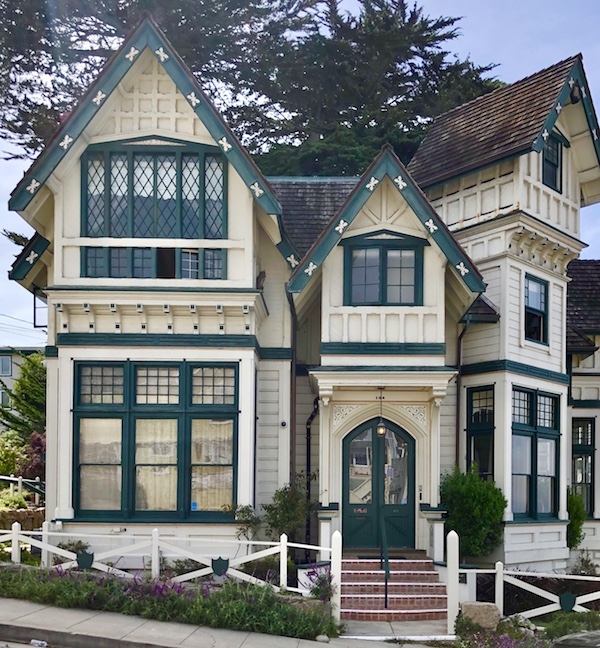
The stately Green Gables Inn looks out at the ocean. For more information on Pacific Grove, see my other blog posts, including Lovers Point: Legendary Park in Pacific Grove, Butterfly Town: Pacific Grove, The Feast of Lanterns in Pacific Grove, and Point Pinos Lighthouse, Pacific Grove.
Thank you for visiting my blog! Wishing you peace, love, happiness, & beautiful vistas.